
Portugal Retains Ronaldo Amid Shifting Global Sports Economics and Soft-Power Strategy
Portugal has retained veteran forward Cristiano Ronaldo for upcoming UEFA Nations League fixtures against Norway and Denmark, underscoring the deep convergence between European athletic governance, commercial broadcasting equity, and Gulf sovereign investments.
Geopolitical & Core Developments
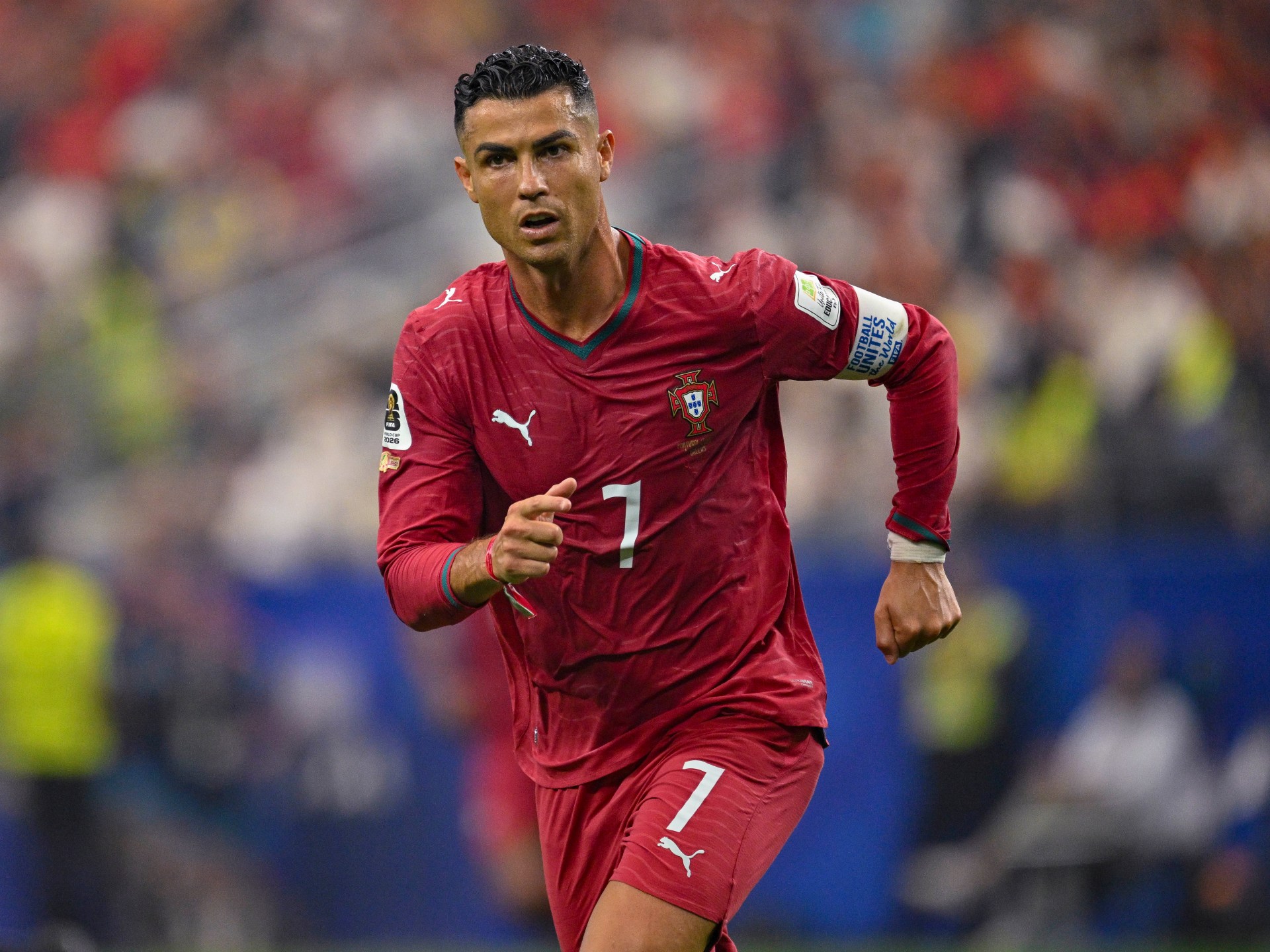
The Portuguese Football Federation has confirmed the inclusion of Cristiano Ronaldo in its national squad for the forthcoming UEFA Nations League fixtures against Norway and Denmark. While framed primarily as a high-performance athletic decision, the retention of the 39-year-old forward carries significant diplomatic, commercial, and institutional weight across the international sports ecosystem. Ronaldo represents far more than an elite competitor; he remains the primary international brand asset of Saudi Arabia's transformative Vision 2030 initiative following his landmark transition to Riyadh-based Al-Nassr in late 2022.
His continued deployment in top-tier European international competition serves as an ongoing institutional bridge between Western athletic bodies and Gulf sovereign capital. The tactical announcement arrives during an active period of cross-continental sports diplomacy, as Portugal coordinates closely with co-hosts Spain and Morocco ahead of the 2030 FIFA World Cup. By maintaining Ronaldo at the center of European competition, Portugal reinforces a multi-layered soft-power posture that intersects traditional UEFA structures with the burgeoning athletic investments of the Middle East.
Global Trade & Economic Ripples
The commercial implications of Ronaldo's ongoing international career extend directly into television media rights, digital consumer engagement, and global apparel logistics. European football governing body UEFA relies heavily on established global icons to sustain the market valuation of the Nations League tournament cycle, particularly across competitive syndication deals in North America, East Asia, and the Middle East. Ronaldo's prospective matchups against Nordic sides—highlighted by Norway's Erling Haaland and a competitive Danish squad—substantially elevate projected aggregate viewership, creating measurable value for multi-territory broadcast rightsholders.
Simultaneously, the economic corridor linking Lisbon, Riyadh, and European commercial hubs illustrates a broader pattern of sovereign wealth deployment. The Saudi Public Investment Fund (PIF) has channeled billions into sporting infrastructure, professional leagues, and tourism marketing to diversify the Kingdom's oil-dependent economy. Ronaldo's dual presence as an active European international and Saudi Pro League headliner acts as an operational driver for tourism routes, bilateral trade delegations, and international corporate sponsorships spanning telecommunications, luxury retail, and athletic manufacturing.
Related Intelligence: Pakistan Reaffirms Defense Pledge to Saudi Arabia Amid Deepening Economic Ties
International Reactions & Diplomatic Stances
The squad announcement elicited swift reactions from sporting federations, commercial partners, and international sports intelligence analysts. UEFA stakeholders and international broadcasting consortiums privately welcomed the continuity, acknowledging that marquee individual brands remain critical to shielding international windows from viewership fatigue caused by domestic league saturation. The commercial visibility guarantees sustained global interest for matches hosted in Lisbon and Copenhagen.
In Riyadh, sports authorities and domestic league executives viewed Ronaldo's continued international call-up as concrete validation of the Saudi domestic competition's physical and technical rigor. The move counteracts longstanding narratives that European athletes transitioning to Gulf clubs compromise their international viability. Meanwhile, Portuguese national management reiterated that the selection was made on objective performance criteria, dismissing suggestions that commercial obligations to tournament organizers or sponsors influenced tactical decisions. Analysts emphasize that with an aggregate global social following surpassing 900 million accounts, Ronaldo commands an individual audience larger than most sovereign sports bodies, granting Portugal unparalleled visibility in international commercial negotiations.
Strategic Outlook & Future Scenarios
Moving into the upcoming Nations League window, the commercial and diplomatic integration of athlete-driven diplomacy will face continuous testing. Strong performances against Norway and Denmark will reinforce the viability of aging superstar athletes maintaining top-tier international status while competing outside Europe's core domestic leagues. This dynamic is expected to accelerate future sovereign investments into international sports assets across the Middle East, North America, and emerging markets.
Looking further ahead, Portugal's management of Ronaldo's gradual career culmination will serve as a strategic precedent for athletic federations managing high-yield global icons. As preparations advance for the 2026 FIFA World Cup in North America and the 2030 centennial tournament across the Mediterranean, the convergence between national team performance, state-backed capital, and transnational brand marketing will only deepen. Ronaldo's continued participation ensures that Portugal remains at the vanguard of this new geopolitical reality in global athletics.
Join Our Official WhatsApp Channel
Receive live commodity alerts, policy changes, and commercial intelligence directly on WhatsApp.