
German Football Federation Executive Demands Resignation of FIFA President Gianni Infantino
German Football Association Vice President Hans-Joachim Watzke has called for FIFA President Gianni Infantino to step down, deepening an institutional and commercial crisis between European football leadership and the global governing body.
Geopolitical & Core Developments
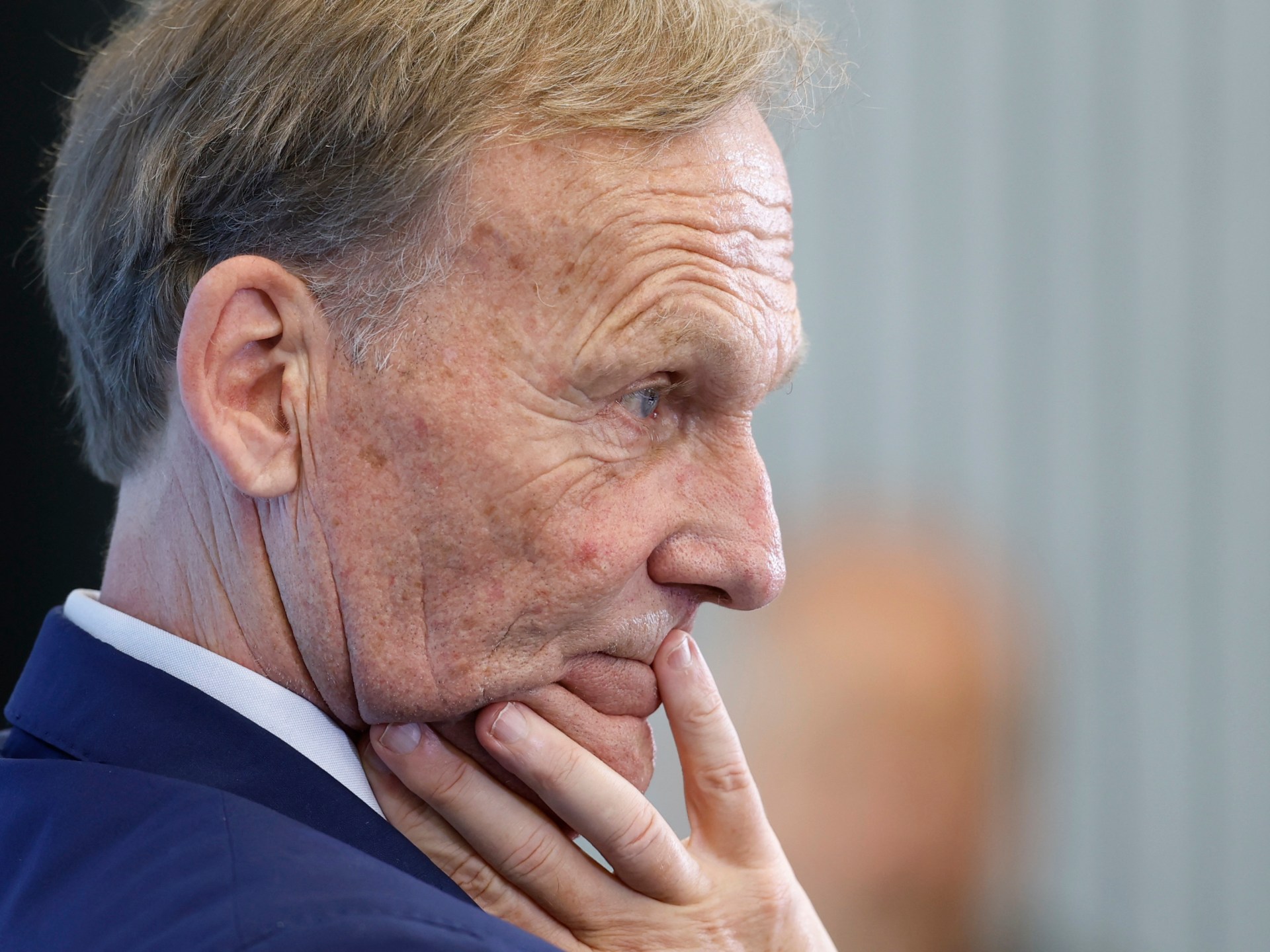
The governance crisis within international football deepened significantly as Hans-Joachim Watzke, vice president of the German Football Association (DFB) and chief executive of Borussia Dortmund, issued an unequivocal demand for FIFA President Gianni Infantino to resign. Watzke stated publicly that Infantino must leave his post without compromise, signaling an acute breakdown in institutional diplomacy between Europe's most influential national football federation and world football's governing apparatus.
The confrontation highlights an escalating structural divide across international sports administration. Since assuming the presidency in 2016, Infantino has systematically consolidated power by cultivating alliances across Asian, African, and Middle Eastern confederations, fast-tracking Saudi Arabia's unopposed bid for the 2034 World Cup and overhauling international competition structures. Traditional European institutions, led by UEFA and supported by domestic powerhouses in Germany, England, and Spain, increasingly view Infantino's centralized agenda as an encroachment onto domestic sporting ecosystems. This power struggle mirrors broader geopolitical realignments, wherein established Western regulatory standards face concerted challenges from multipolar voting blocs backed by state-directed capital.
Global Trade & Economic Ripples
The leadership dispute carries profound commercial ramifications for sports entertainment, broadcast syndication, and international sponsorship markets. Infantino's signature commercial projects, notably the expanded 32-team FIFA Club World Cup scheduled for 2025 in the United States, have faced severe market pushback. Media rights negotiations have stalled in multiple territories, with global broadcasters reluctant to match FIFA's valuation targets amid warnings of market saturation and consumer fatigue.
Simultaneously, the dispute intersects with major sovereign wealth allocations and multinational corporate supply chains. Middle Eastern sovereign funds, particularly Saudi Arabia's Public Investment Fund (PIF), have positioned sports infrastructure, tourism, and media as core engines of post-hydrocarbon economic diversification. Ongoing institutional instability at FIFA risks deterring Western corporate sponsors who face intensified compliance scrutiny and reputational vulnerabilities. Moreover, domestic European leagues contend that congested international calendars dilute the asset value of their own domestic broadcasting contracts, which underpin billions of euros in regional employment, advertising expenditure, and municipal tax revenues.
Related Intelligence: Imaan Mazari and Husband Re-Arrested Following Supreme Court Bail Grant
International Reactions & Diplomatic Stances
Watzke's declaration reflects a hardening consensus among several key European football administrations. The DFB's stance aligns closely with ongoing legal maneuvers spearheaded by the European Leagues association, Spain's La Liga, and the global professional players' union FIFPRO. These organizations have lodged formal antitrust complaints with the European Commission, accusing FIFA of abusing its dominant regulatory position by unilaterally imposing competition calendars without collective bargaining.
Conversely, Infantino retains entrenched diplomatic and political support across the Confederation of African Football (CAF) and the Asian Football Confederation (AFC). Member associations across the Global South credit FIFA's current executive team with democratizing funding distributions and expanding World Cup qualification access via the 48-team format debuting in 2026. Non-European confederations frequently view European resistance not as a defense of governance integrity, but as an attempt to preserve historic Western commercial dominance and protect the financial primacy of the UEFA Champions League.
Strategic Outlook & Future Scenarios
The dispute is transitioning from political rhetoric toward binding legal arbitration and systemic fragmentation. Upcoming preliminary assessments from European competition authorities represent an existential threat to FIFA's unconstrained regulatory dominance, potentially compelling the governing body to recognize domestic leagues and player syndicates as mandatory co-legislators of the international match schedule.
Should the European Commission or civil courts rule against FIFA's unilateral governance model, Infantino may be forced to offer sweeping structural concessions or risk European federations fielding secondary squads in FIFA-organized tournaments. As preparations intensify for the 2026 World Cup across North America and long-term infrastructure commitments are finalized for the 2030 and 2034 tournaments, the unresolved friction between European domestic stakeholders and FIFA's globalist administration will compel corporate sponsors, sovereign investment funds, and global media networks to re-evaluate their risk exposure in international sports assets.
Join Our Official WhatsApp Channel
Receive live commodity alerts, policy changes, and commercial intelligence directly on WhatsApp.