
Rehman Baba Express Derails Near Multan, Disrupting Critical Transport Corridors
A fatal derailment of the Rehman Baba Express near Multan has claimed four lives, suspended intercity rail connectivity, and highlighted worsening structural vulnerabilities in Pakistan's mainline transport network.
The Core Development
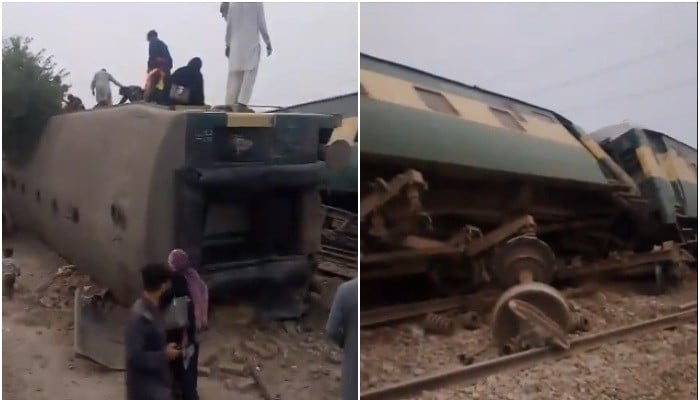
A catastrophic derailment involving the Peshawar-bound Rehman Baba Express occurred in the early hours near Multan, resulting in at least four fatalities and leaving dozens of passengers injured. According to preliminary reports from Pakistan Railways, all 15 coaches of the express train left the tracks, severely damaging the permanent way infrastructure and abruptly suspending passenger and freight movement across the country's central artery.
Emergency response teams, district administration officials, and railway technical squads were dispatched to the site to extract passengers trapped in overturned carriages and clear the line. Injured individuals were evacuated to nearby tertiary healthcare facilities in Multan, where emergency protocols were activated. Senior railway officials have instituted an inquiry committee to ascertain the root cause, with technical assessments focusing on track integrity, potential signalling faults, or mechanical failure in rolling stock. The accident represents one of the most severe disruptions on Main Line 1 (ML-1) this fiscal quarter.
Commercial & Economic Implications
The suspension of track operations at Multan reverberates across Pakistan's wider supply chains. Multan serves as an indispensable transit hub connecting Sindh's ports to industrial centers across Punjab and Khyber Pakhtunkhwa. Although primarily a passenger train, the resultant blockage of the dual-track system halts commercial container traffic, parcels, and express freight that rely on scheduled rail corridors.
For wholesale traders and distribution networks, prolonged delays force an immediate pivot toward road transport. Relying on freight trucks escalates logistical overheads due to high domestic diesel costs and limited spot-market carrier availability. Perishable agricultural goods, fast-moving consumer items, and industrial intermediate materials moving from southern hubs face deferred delivery timelines. In turn, increased logistics expenditure inevitably exerts upward pressure on domestic supply chain margins, impacting final retail prices during a period of sensitive broader market inflation.
Stakeholder Perspectives & Market Reactions
Logistics operators, passenger advocacy groups, and business associations have expressed acute alarm over the incident. The Federation of Pakistan Chambers of Commerce and Industry (FPCCI) and regional wholesale traders noted that recurrent derailments underscore the precarious state of the national rail infrastructure, which continues to suffer from deferred maintenance and insufficient budgetary allocation.
Public discourse has intensified regarding state accountability and operational standards within Pakistan Railways. Independent rail safety analysts point out that despite multiple strategic plans for track rehabilitation under the ML-1 modernization framework, tangible ground-level upgrades have progressed slowly. Legal and transport experts have urged the Ministry of Railways to establish binding safety certifications and implement computerized monitoring of tracks to avert recurring human and operational losses.
Forward Outlook & Key Watchpoints
The immediate focus remains on clearing the derailed carriages, repairing structural track damage, and restoring single-line operations before full dual-track capacity can resume over the coming 48 to 72 hours. Pakistan Railways faces a substantial administrative and financial backlog as ticket refunds, train cancellations, and rerouted freight escalate overall operational losses.
Over the medium term, market observers will closely monitor the findings of the federal inquiry board. The tragedy is anticipated to accelerate political scrutiny around capital expenditure allocations for rail modernizations under upcoming federal budgets. Stakeholders will watch whether regulatory bodies introduce stricter axle-load monitoring and comprehensive structural audits on ageing tracks to prevent catastrophic corridor closures in the future.
Join Our Official WhatsApp Channel
Receive live commodity alerts, policy changes, and commercial intelligence directly on WhatsApp.