
Punjab Overhauls Primary Education With QR-Coded Curricula For 2027
Punjab is set to launch a modernized, lightweight primary curriculum featuring digital QR codes by April 2027, aiming to eradicate rote learning and ease student burdens.
The Core Development
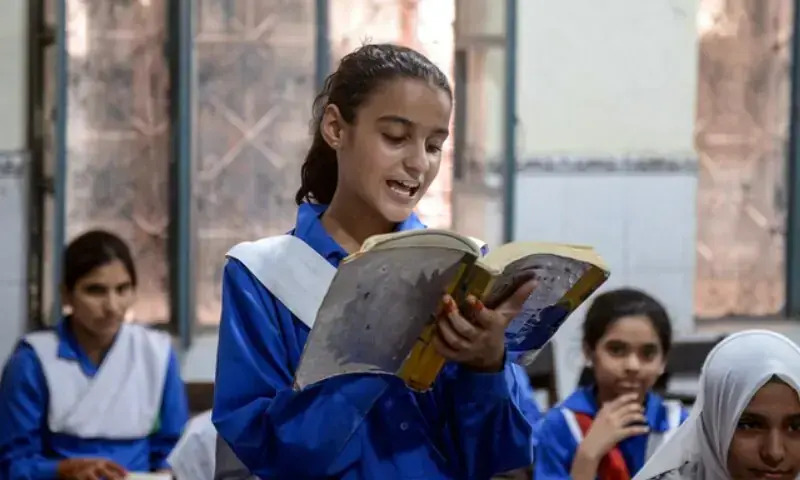
In a sweeping policy pivot aimed at modernizing foundational education, the Punjab government has announced the nationwide rollout of a revised primary curriculum for Montessori through grade 5, slated to hit classrooms by the new academic session in April 2027. Approved by Punjab Chief Minister Maryam Nawaz during a high-level review session in Lahore, the reform targets core subjects including English, Mathematics, Social Studies, Urdu, and Early Childhood Care Education (ECCE). According to Musa Ali Bukhari, Chief Executive Officer of the Punjab Education Curriculum, Training and Assessment Authority (Pectaa), the newly drafted frameworks underwent rigorous international benchmarking. Pectaa submitted the indigenous curricula to Cambridge International Education (CIE) to ensure alignment with global educational standards, marking a decisive shift toward competency-based instruction.
Commercial & Economic Implications
Beyond pedagogical reform, the structural overhaul carries significant commercial and economic ramifications for Pakistan's publishing, retail, and manufacturing sectors. Traditional heavy textbooks have long sustained a lucrative physical printing and distribution ecosystem; however, the integration of QR codes and streamlined, lighter volumes will compel domestic publishers and paper merchants to recalibrate production lines. By shifting toward hybrid digital-print formats, school supply chains will face new cost dynamics, potentially lowering long-term paper consumption while boosting demand for digital infrastructure in urban and semi-urban schools. Furthermore, reducing physical book weight directly impacts household expenditures on ergonomic school supplies and alleviates the inflationary pressures of recurring book replacements caused by wear and tear.
Related Intelligence: West African Diplomatic and Economic Stakes Rise Ahead of Regional Sporting Showdown
Stakeholder Perspectives & Market Reactions
Educationists, parent associations, and publishing industry bodies have expressed cautious optimism regarding the April 2027 deadline. While parent groups have overwhelmingly welcomed the initiative for alleviating the physical toll of overloaded schoolbags on young children, domestic publishers note that transitioning to CIE-aligned, interactive content demands substantial technical investment. Retail booksellers and stationery merchants are already evaluating how digital integration will alter consumer purchasing habits, as QR codes bridge physical textbooks with online multimedia resources. Meanwhile, policymakers emphasize that dismantling the entrenched culture of rote learning is essential for cultivating a globally competitive workforce, making the short-term transition costs a necessary investment for Pakistan's human capital development.
Forward Outlook & Key Watchpoints
As the April 2027 implementation date approaches, several critical milestones will dictate the success of Punjab's educational transformation. Key watchpoints include the finalization of public-private partnerships for digital content hosting, the nationwide retraining of primary school educators to deliver inquiry-based lessons, and the establishment of robust distribution networks for the new lightweight volumes. Industry analysts will closely monitor Pectaa's phased rollout schedule to ensure that remote and underfunded districts receive equitable access to both the printed texts and the digital infrastructure required to scan and utilize the embedded QR-coded learning modules effectively.
Join Our Official WhatsApp Channel
Receive live commodity alerts, policy changes, and commercial intelligence directly on WhatsApp.