
Public Health Crisis in Central India Exposes Systemic Vulnerabilities
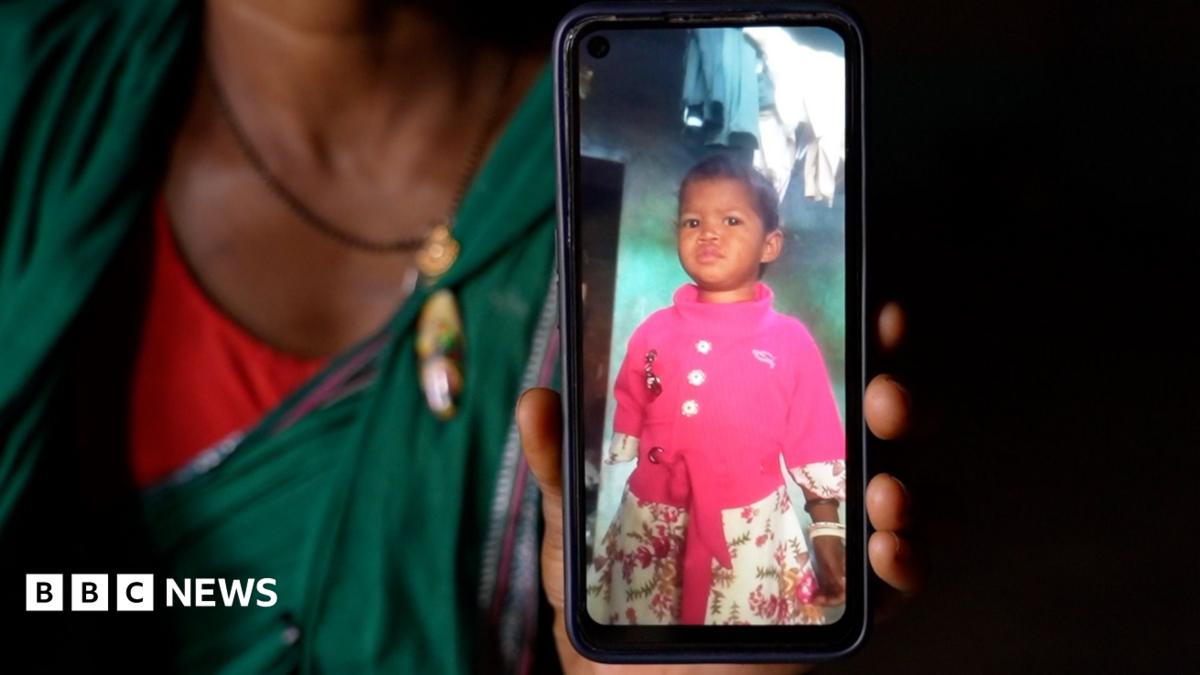
An unfolding health crisis in India's remote Balaghat district has left at least 32 children dead, highlighting critical gaps in regional healthcare infrastructure and indigenous welfare.
Geopolitical & Core Developments
A severe public health emergency has gripped the remote tribal heartland of India's central Balaghat district, where at least 32 children have succumbed to overlapping outbreaks of measles and malaria since May. The crisis, unfolding within dense forest terrain along the borders of Madhya Pradesh and Chhattisgarh, lays bare the persistent structural vulnerabilities confronting marginalized indigenous populations, known locally as Adivasis, in one of the world's fastest-growing major economies. Local health authorities report that inadequate road connectivity, seasonal monsoon isolation, and a severe shortage of resident medical professionals have severely hampered rapid diagnostic testing and inoculation campaigns. Despite successive federal initiatives aimed at universal healthcare coverage and rural immunization, state-level bureaucratic delays and logistical bottlenecks continue to impede the delivery of critical life-saving interventions to remote hamlets, triggering domestic political friction and mounting scrutiny from civil society organizations.
Global Trade & Economic Ripples
While the localized nature of the tragedy does not directly disrupt international commodity supply chains or global energy markets, the humanitarian crisis resonates within broader discussions concerning sustainable economic development and ethical supply chain auditing in emerging markets. Global institutional investors increasingly factor human capital development, public health metrics, and regional equity into environmental, social, and governance assessments when evaluating sovereign debt and foreign direct investment destinations. Furthermore, chronic structural deficiencies in rural health infrastructure constrain domestic consumption potential and labor productivity in critical resource-rich hinterlands, where major mining and agricultural extraction operations intersect with indigenous territories. Multilateral financial institutions emphasize that equitable regional development remains a fundamental prerequisite for long-term macroeconomic stability and sustainable growth across the broader South Asian subcontinent.
Related Intelligence: Nepal Landslides Stranded Trekkers Trigger Supply Chain and Tourism Crisis
International Reactions & Diplomatic Stances
International humanitarian bodies, including regional offices of the World Health Organization and UNICEF, have expressed deep concern over the preventable loss of young lives, offering technical assistance and emergency medical supplies to support state-level containment efforts. While foreign governments have refrained from direct diplomatic intervention in what remains an internal governance matter, international human rights advocates and global public health networks are intensifying pressure on federal and state authorities to overhaul tribal healthcare delivery models. Global market analysts note that while these developments are unlikely to trigger diplomatic friction or international sanctions, they reinforce ongoing debates regarding the distribution of national wealth versus localized welfare outcomes in developing economies.
Strategic Outlook & Future Scenarios
Looking ahead, the tragedy in Balaghat is expected to galvanize renewed legislative focus on rural healthcare expenditure and emergency response mechanisms ahead of upcoming regional administrative cycles. The central government faces mounting pressure to accelerate mobile medical unit deployments, upgrade cold-chain vaccine storage facilities in remote districts, and establish permanent epidemiological surveillance networks across vulnerable tribal belts. Failure to adequately address these systemic inequities risks exacerbating social unrest in mineral-rich border regions and tarnishing the nation's international reputation as an inclusive economic powerhouse capable of balancing high-tech industrial growth with grassroots human development.
Join Our Official WhatsApp Channel
Receive live commodity alerts, policy changes, and commercial intelligence directly on WhatsApp.