
PTI Open to JUI-F Mediation Amid Deadlocked Government Talks
Pakistan Tehreek-e-Insaf has expressed willingness to accept Maulana Fazlur Rehman's mediation after formal negotiations with the government collapsed over key policy disagreements.
The Core Development
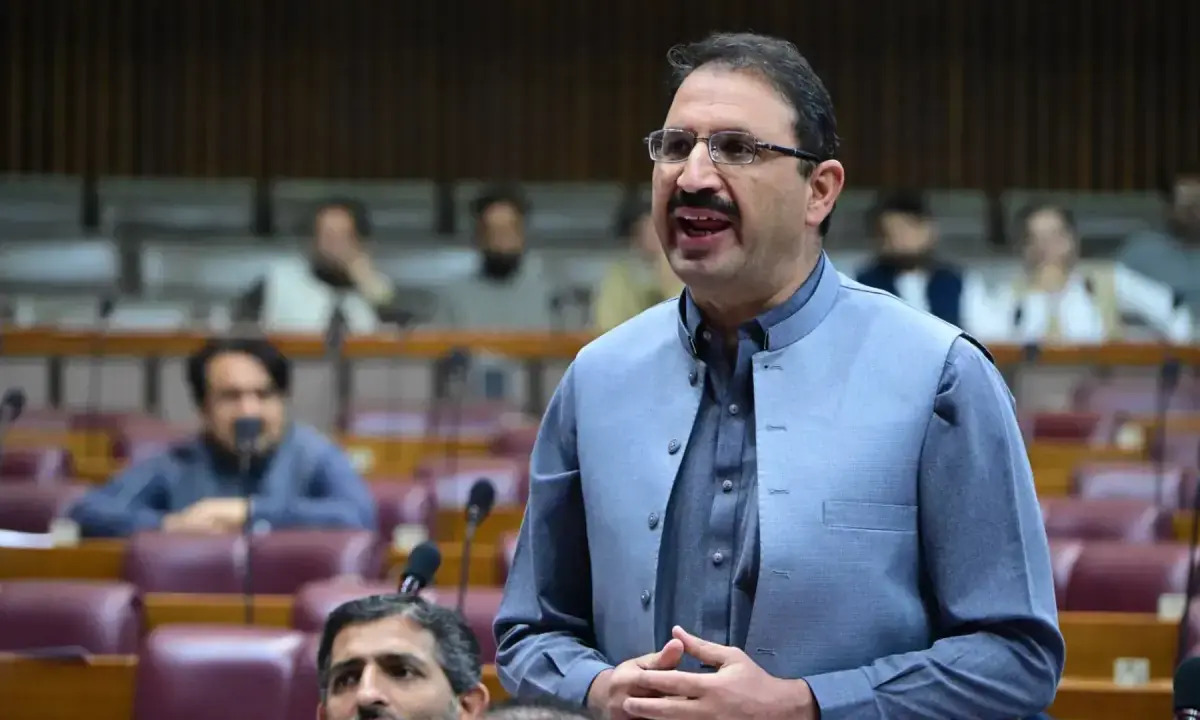
The political landscape of Pakistan has entered a fragile new phase following revelations that the Pakistan Tehreek-e-Insaf (PTI) is open to mediation by Jamiat Ulema-i-Islam-Fazl (JUI-F) chief Maulana Fazlur Rehman. Speaking on a prominent television broadcast on Thursday evening, PTI Member of National Assembly Junaid Akbar confirmed that the party's doors remain open to external facilitation aimed at breaking the severe institutional deadlock between the ruling coalition and the opposition.
This diplomatic opening follows the spectacular collapse of two formal rounds of talks held over the preceding weekend. The negotiations had been convened ahead of a planned PTI march toward Islamabad, which was organized to pressure the federal administration into releasing jailed party founder and former prime minister Imran Khan. However, stark divergences torpedoed the dialogue process. According to official briefings and party statements, the primary sticking points centered on intense disagreements over national counterterrorism frameworks and rigid restrictions preventing opposition leaders and legal teams from accessing Imran Khan in detention.
Commercial & Economic Implications
For the domestic business community, wholesale distributors, and retail traders operating under Kalyar Traders' market purview, protracted political uncertainty carries immediate tangible costs. Financial markets and currency stabilization programs remain acutely vulnerable to political volatility. When street agitation replaces legislative engagement, investor confidence erodes, triggering capital caution and dampening foreign direct investment inflows.
Furthermore, recurring political standoffs directly disrupt supply chains and inter-city logistics. Anticipated blockades and civil security crackdowns routinely force transport operators to reroute or suspend shipments, leading to localized inventory shortages and upward pressure on wholesale prices. For ordinary consumers grappling with persistent inflation, any escalation in political friction threatens to derail retail demand, increase transaction costs, and destabilize essential commodity pricing structures across major urban centers.
Related Intelligence: Russian Transport Strikes Threaten Ukrainian Supply Chains and Global Grain Corridors
Stakeholder Perspectives & Market Reactions
Business councils, trade associations, and corporate executives have reacted to the deadlock with mounting apprehension. Chambers of commerce across Punjab and Sindh have repeatedly petitioned Islamabad and opposition leaders to prioritize economic continuity over partisan posturing. Industry bodies warn that sustained friction undermines ongoing fiscal consolidation measures agreed upon with international financial institutions.
Legal experts and constitutional analysts note that Maulana Fazlur Rehman occupies a uniquely strategic position to bridge the widening chasm between the state apparatus and the PTI. Known for his pragmatic maneuvering, the JUI-F leader's intervention could provide a face-saving exit for both sides. Nevertheless, skeptical observers within the legal community caution that any durable compromise must address core constitutional grievances regarding judicial independence and due process rather than serving as a temporary truce.
Forward Outlook & Key Watchpoints
As political actors weigh their next moves, several critical milestones will determine whether mediation succeeds or fails. Market participants and political analysts will closely monitor formal communications between the PTI leadership and the JUI-F secretariat over the coming days to gauge the sincerity and terms of the proposed dialogue.
Key watchpoints include potential shifts in the government's stance on prisoner access, the relaxation or rescheduling of planned opposition protests, and the willingness of security establishments to permit structured political engagement. If mediation yields a breakthrough, commercial markets could experience a swift relief rally. Conversely, a rejection of Fazlur Rehman's overtures risks plunging the country into a renewed cycle of street confrontation, with immediate repercussions for national trade and economic stability.
Join Our Official WhatsApp Channel
Receive live commodity alerts, policy changes, and commercial intelligence directly on WhatsApp.