
ICC Rules Rodrigo Duterte Fit for Trial in Landmark Proceedings
The International Criminal Court has ruled that former Philippine President Rodrigo Duterte is fit to stand trial, clearing the path for historic accountability proceedings.
Geopolitical & Core Developments
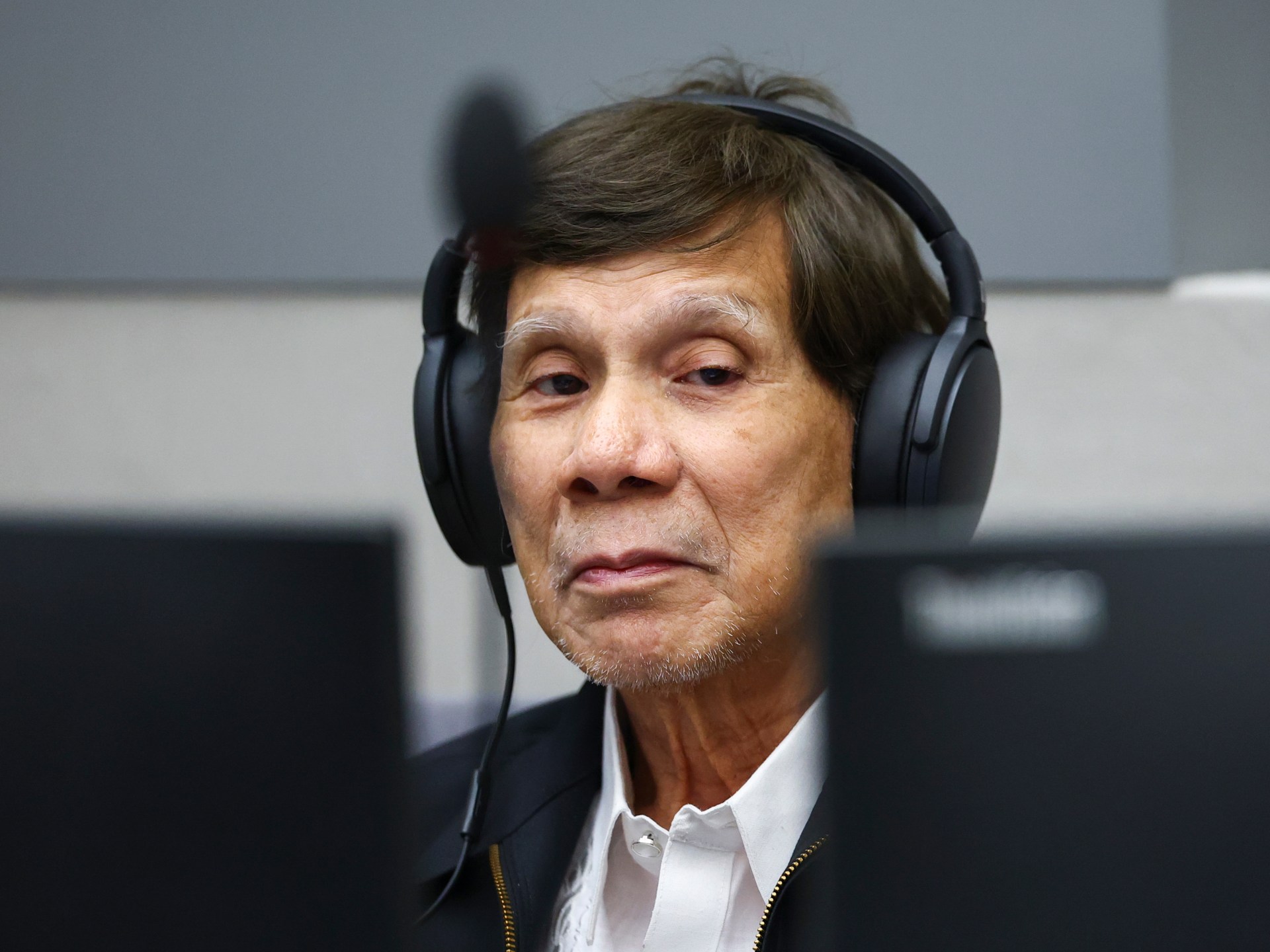
The International Criminal Court (ICC) has reached a decisive procedural turning point regarding accountability in Southeast Asia, as a panel of medical experts formally ruled that former Philippine President Rodrigo Duterte is mentally fit to stand trial. The assessment concludes that the former head of state possesses the cognitive capacity to understand the gravity of the charges against him, follow complex courtroom proceedings, and instruct legal counsel. This medical determination removes a critical procedural hurdle that had threatened to delay or derail international scrutiny over the violent anti-narcotics campaign enacted during his presidential tenure from 2016 to 2022.
The judicial inquiry centers on alleged crimes against humanity tied to thousands of extrajudicial killings committed under state-sanctioned anti-drug operations. While Duterte formally withdrew the Philippines from the Rome Statute in 2019, the ICC maintains temporal jurisdiction over alleged offenses committed while the nation was a state party. The transition of this case from preliminary examination to active trial readiness represents an unprecedented assertion of international criminal jurisdiction over a prominent Southeast Asian leader, testing the limits of multilateral legal mechanisms within a strategically vital region.
[Global Trade](/news/wto-upgrades-global-trade-forecast-pakistan-gains-middle-east-disruptions) & Economic Ripples
While international criminal tribunals primarily operate within the sphere of diplomacy and human rights jurisprudence, legal proceedings involving high-profile political figures invariably generate ripples across global financial markets and bilateral trade corridors. The Philippines remains a cornerstone economy within the Association of Southeast Asian Nations (ASEAN), acting as a vital hub for semiconductor assembly, business process outsourcing, and maritime logistics. Institutional investors and foreign direct investors continuously evaluate regulatory stability, rule of law metrics, and geopolitical risk premiums when deploying capital into emerging Southeast Asian markets.
The progression of the ICC trial introduces a localized political variable that could influence domestic policy stability under the current administration of President Ferdinand Marcos Jr. As Manila navigates balancing its traditional security alliances with Western democracies against its extensive economic interdependence with regional partners, foreign investors are closely monitoring potential shifts in governance, anti-corruption frameworks, and regulatory transparency. Commodity markets and shipping logistics through the South China Sea remain largely insulated from direct operational disruptions stemming from the trial, yet corporate treasuries maintain heightened awareness of governance risk indicators across the Indo-Pacific theater.
Related Intelligence: Court of Arbitration for Sport to Deliver Verdict on Senegal-Morocco AFCON Dispute
International Reactions & Diplomatic Stances
Global reaction to the ICC medical panel's ruling has highlighted deep divisions between multilateral human rights advocates and defenders of national sovereignty. United Nations human rights officials and European Union diplomatic delegations welcomed the development, framing the ruling as an essential step toward ending impunity for state-sponsored violence. Western capitals view the proceedings as a validation of the international rules-based order and accountability mechanisms designed to protect civilian populations from systemic abuse.
Conversely, domestic defenders of the former president and various nationalist political factions within the Philippines continue to challenge the legitimacy of the tribunal, asserting that external judicial bodies infringe upon national sovereignty. The administration of President Ferdinand Marcos Jr. faces a delicate diplomatic balancing act: managing domestic political sensitivities surrounding the powerful Duterte political dynasty while maintaining cooperative engagement with international judicial and financial institutions. Regional bodies such as ASEAN have maintained a traditional stance of non-interference, underscoring the complex diplomatic tightrope required to sustain regional consensus.
Strategic Outlook & Future Scenarios
As the ICC prepares to schedule formal pre-trial hearings and establish timelines for the presentation of evidence, the broader geopolitical trajectory for the Philippines hinges on domestic political cohesion and institutional resilience. The coming months will likely see intensified legal maneuvers by defense teams challenging the admissibility of evidence and the scope of tribunal jurisdiction. Simultaneously, civil society organizations and victims' advocates are mobilizing support to ensure sustained international engagement throughout the protracted judicial process.
For international businesses and global supply chain managers, the primary risk involves potential domestic political volatility or polarization within the Philippines rather than immediate macroeconomic shocks. As the trial unfolds, diplomatic relations between Manila and key Western trade partners will be tested, making proactive risk management and continuous geopolitical monitoring indispensable for multinational corporations operating within the Indo-Pacific landscape.
Join Our Official WhatsApp Channel
Receive live commodity alerts, policy changes, and commercial intelligence directly on WhatsApp.