
Istanbul Building Collapse Exposes Urban Infrastructure and Economic Vulnerabilities
A fatal building collapse in Istanbul has triggered widespread concern over urban safety standards, casting a spotlight on Turkiye's critical real estate and construction sectors.
Geopolitical & Core Developments
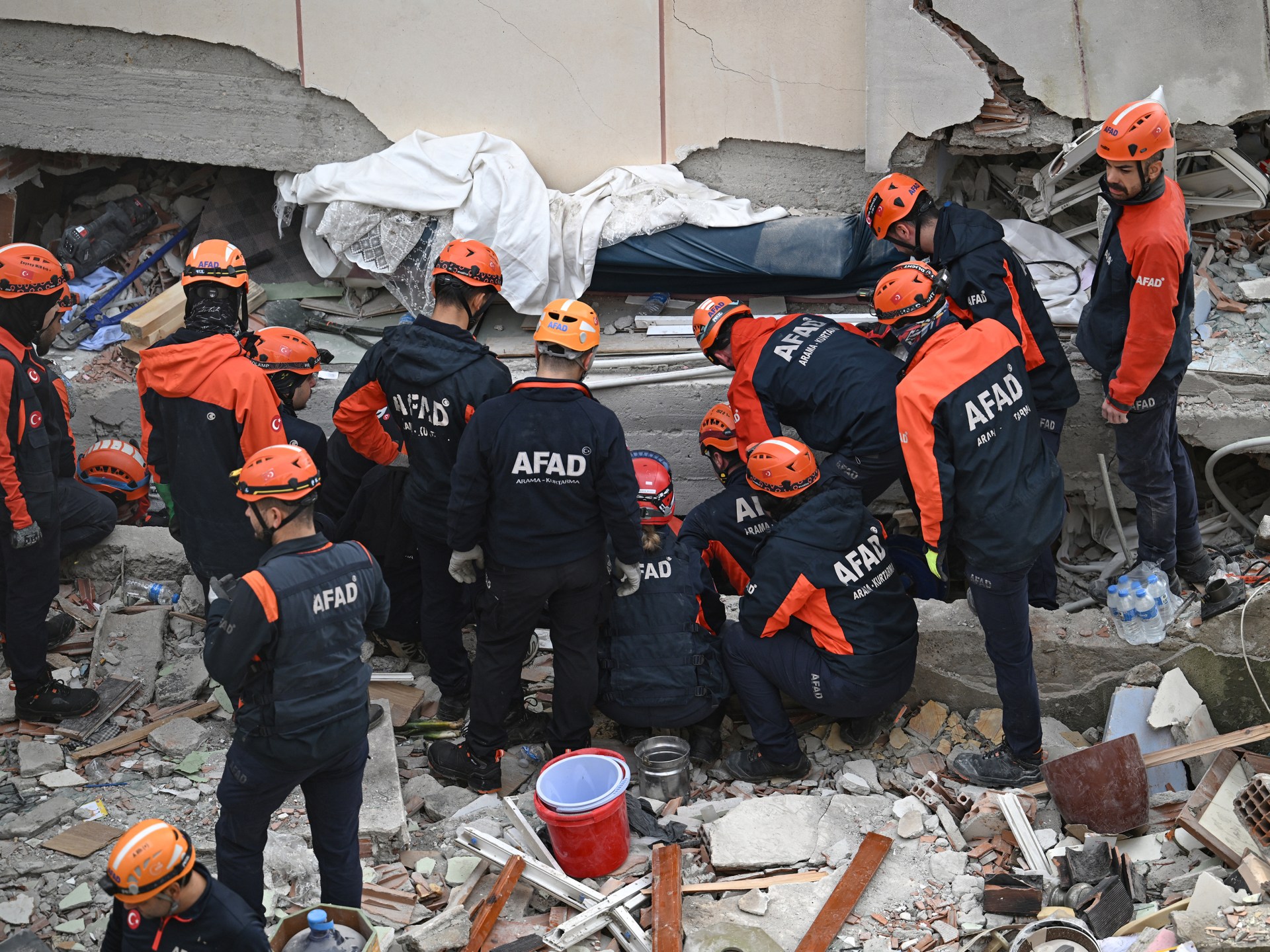
The partial collapse of a residential structure in Istanbul’s Maltepe district, which resulted in two fatalities and the successful rescue of eight survivors, has sent shockwaves through Turkish municipal administration and federal governance. Emergency response teams faced extreme operational hurdles, with lingering structural instability severely curtailing search and extraction operations. While local authorities have launched an immediate forensic investigation into the structural integrity of the edifice, the incident brings long-standing anxieties regarding rapid, unregulated urbanization back to the forefront of national discourse. President Recep Tayyip Erdogan’s administration has faced persistent calls to accelerate urban regeneration initiatives, particularly across seismic-prone zones like Istanbul, where millions of residents inhabit aging structures built prior to the enforcement of modern earthquake safety codes. The state apparatus now faces intense public and political pressure to harmonize municipal zoning laws, penalize non-compliant developers, and enforce rigorous building safety audits to avert similar catastrophes in economic hubs.
Global Trade & Economic Ripples
Beyond the immediate humanitarian tragedy, infrastructural failures in pivotal emerging market economies like Turkiye carry substantial weight for international commerce, foreign investment, and industrial supply chains. Istanbul serves as a vital transcontinental bridge connecting European and Asian markets, making its domestic economic stability a matter of acute interest to international financial institutions. The construction and real estate sectors constitute critical pillars of Turkiye's gross domestic product, driving domestic employment, steel consumption, and cement manufacturing. Consequently, structural failures that expose systemic regulatory lapses tend to depress investor confidence, elevate sovereign risk premiums, and trigger capital outflows. Furthermore, international reinsurers and multinational insurance syndicates are expected to reassess risk exposures and premium structures across the region, potentially driving up operational costs for developers and commercial property holders. Global commodity markets closely monitor Turkish demand dynamics for industrial metals and construction inputs, as any regulatory crackdown or subsequent slowdown in Turkish building activity directly impacts regional steel and raw material pricing.
Related Intelligence: French Student Protests Expose Sovereign Debt Pressures and Public Sector Strain
International Reactions & Diplomatic Stances
International observers, multilateral bodies, and global risk analysts have closely monitored the unfolding situation in Maltepe, viewing the disaster through the lens of urban resilience and macroeconomic stability. While the incident remains primarily a domestic municipal crisis, foreign diplomatic missions and trade delegations have expressed condolences while quietly evaluating the implications for ongoing commercial partnerships and infrastructure investments. Risk assessment agencies have reiterated that emerging market governments must prioritize structural modernization and climate-resilient urban planning to secure sustained foreign direct investment. Global financial analysts note that international capital markets increasingly factor environmental, social, and governance metrics—including urban safety and regulatory enforcement—into their sovereign debt and equity valuations, placing additional pressure on Ankara to demonstrate decisive administrative reform.
Strategic Outlook & Future Scenarios
Looking ahead, the Maltepe tragedy is projected to accelerate legislative and regulatory overhauls within Turkiye's construction and municipal sectors. Upcoming municipal policy sessions and parliamentary debates are expected to focus heavily on mandatory retrofitting programs, stricter certification processes for engineering firms, and enhanced accountability frameworks for property developers. For international investors, the trajectory of Turkish real estate will hinge on the government's willingness to enforce unpopular but necessary urban renewal policies without causing systemic economic friction. As global climate and seismic risks intensify, metropolitan centers worldwide are being forced to re-evaluate the resilience of their foundational infrastructure. The lessons drawn from Istanbul's latest structural failure will likely resonate across emerging markets, shaping future foreign investment decisions, international engineering standards, and multilateral development financing for urban transformation projects.
Join Our Official WhatsApp Channel
Receive live commodity alerts, policy changes, and commercial intelligence directly on WhatsApp.