
Procurement Paralysis Threatens Operations at Islamabad's Premier Medical Facility
Administrative gridlock at the Pakistan Institute of Medical Sciences threatens to halt free inpatient medicine supplies, prompting urgent intervention from newly appointed leadership.
The Core Development
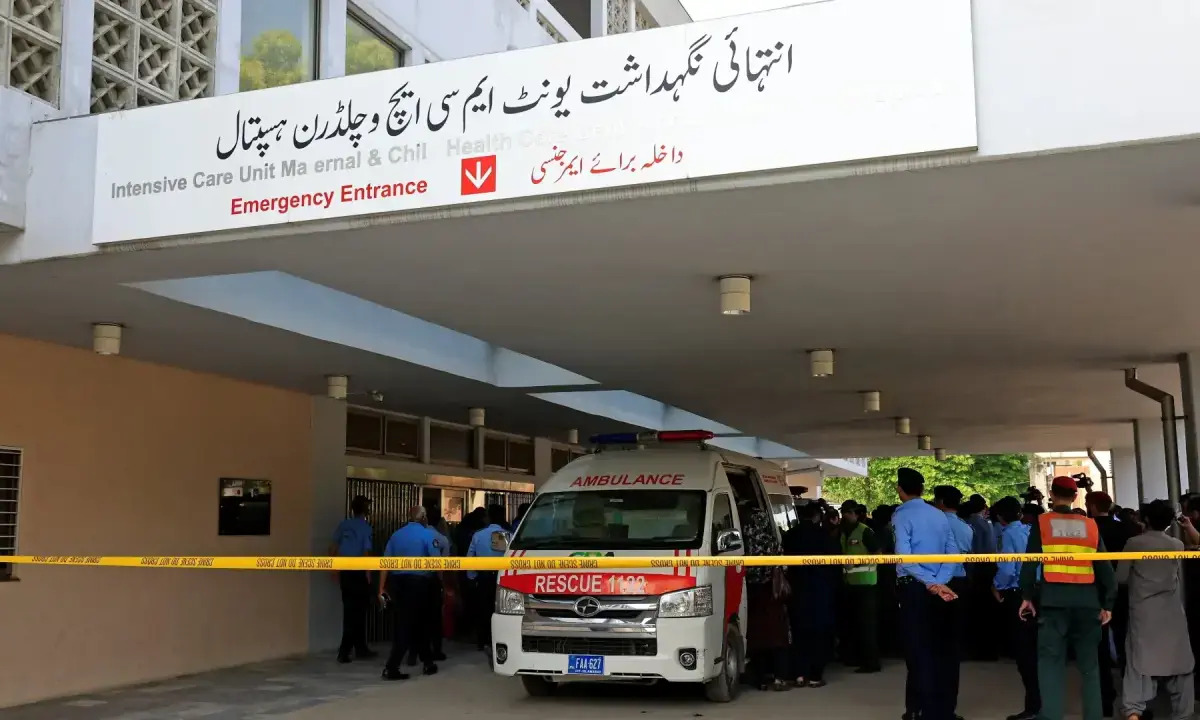
The Pakistan Institute of Medical Sciences (Pims), Islamabad's premier healthcare institution, is teetering on the edge of a severe operational crisis. According to senior administrative and medical sources, the facility is facing an imminent shutdown of free medicine supplies for indoor patients alongside critical shortages of general hospital consumables. The breakdown is primarily attributed to a complete paralysis in the hospital's procurement apparatus, leaving essential medical supply chains vulnerable.
Insiders report that the administrative machinery has ground to a halt, with not a single supply tender having been successfully processed or signed over the last six weeks. This six-week vacuum in contract finalizations has created a dangerous deficit in pharmaceutical inventories. In a hospital where hundreds of vulnerable inpatients rely entirely on state-funded medication, injectables, and surgical items, the absence of replenishment mechanisms poses an immediate threat to patient care and institutional stability.
Commercial & Economic Implications
The looming crisis at Pims extends far beyond immediate clinical concerns, carrying significant commercial and socioeconomic ramifications for the capital territory's healthcare ecosystem. Pims serves as a vital safety net for low- and middle-income families who cannot afford out-of-pocket medical expenses amid soaring national inflation. A sudden cessation of free inpatient supplies forces impoverished patients into the open market, where they must procure costly pharmaceuticals and disposables from private vendors.
This sudden surge in retail demand places additional financial strain on working-class households already battered by high inflation, utility tariff hikes, and contracting purchasing power. Furthermore, pharmaceutical distributors and wholesale medical suppliers face delayed receivables and contracting institutional orders, reflecting broader systemic inefficiencies in public sector procurement frameworks across Pakistan's healthcare sector.
Related Intelligence: Nepal Floods Leave Families in Administrative and Financial Limbo
Stakeholder Perspectives & Market Reactions
Senior medical professionals and administrative staff, speaking on condition of anonymity due to service regulations, have expressed deep frustration over bureaucratic bottlenecks that routinely compromise patient welfare. Doctors warn that treating patients without adequate baseline supplies compromises clinical standards and creates untenable pressure on medical personnel on the front lines.
Amid mounting concern, newly appointed Executive Director Prof Dr Tanwir Khaliq, who assumed charge of the vital post, moved swiftly to address the escalating crisis. In his initial administrative review, Prof Dr Khaliq acknowledged the severe shortcomings in the tender process and assured stakeholders that he has directly intervened to fast-track pending procurement files. He emphasized a policy of strict accountability, declaring zero tolerance for administrative negligence when it comes to delivering essential healthcare facilities to citizens.
Forward Outlook & Key Watchpoints
As Pims navigates this critical juncture, the immediate focus remains on whether the newly instituted leadership can successfully bypass bureaucratic red tape to clear the backlog of supply tenders within days. Industry analysts and hospital monitors will be closely watching the execution of emergency procurement orders to ensure uninterrupted pharmaceutical distribution to wards.
Long-term stability at the institution will depend on structural reforms within the procurement wing to prevent recurring administrative bottlenecks. Failure to establish transparent, time-bound tender processes risks plunging Pakistan's flagship medical center into recurrent crises, further eroding public trust in federal healthcare delivery systems.
Join Our Official WhatsApp Channel
Receive live commodity alerts, policy changes, and commercial intelligence directly on WhatsApp.