
France Braces for Nationwide School Blockades Amid Mounting Pressure on Macron Government
France faces severe domestic disruption as student-led blockades and protests demand increased education funding, compounding political instability for President Emmanuel Macron.
Geopolitical & Core Developments
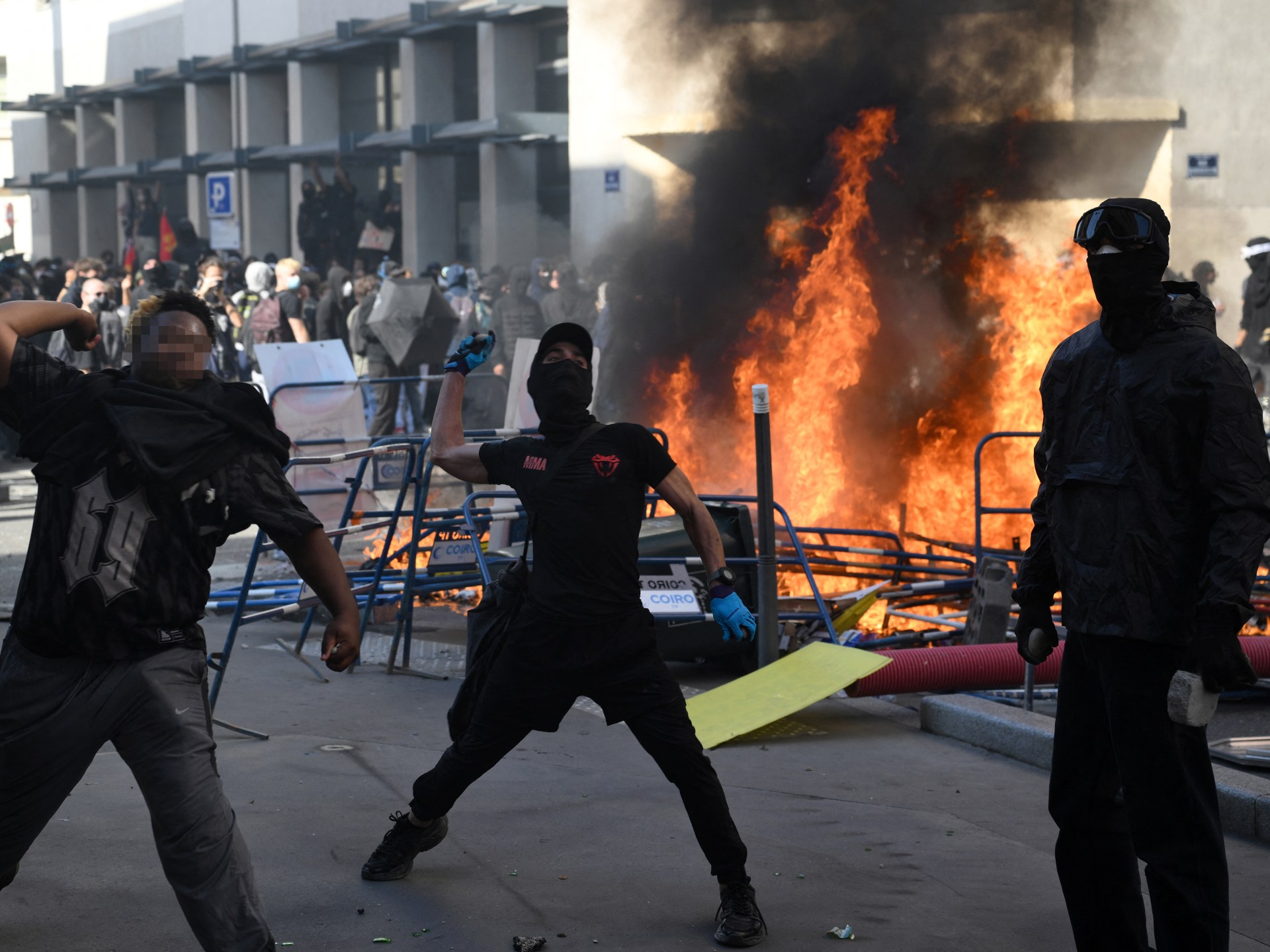
France is bracing for a wave of nationwide disruptions as student organizations, labor unions, and civil society groups converge to stage coordinated school blockades and street demonstrations. The protests, which have intensified significantly over recent days, represent a direct challenge to the administration of outgoing President Emmanuel Macron. At the core of the unrest is an insistent demand for emergency fiscal allocations to rescue public education infrastructure, which protest leaders argue has suffered from years of systematic underinvestment and austerity measures.
The timeline of escalation reflects deep-seated frustrations across the French public sector. Following months of simmering discontent over inflation, pension reforms, and purchasing power parity, student bodies have galvanized around the education portfolio. State actors and local prefectures have mobilized law enforcement agencies to manage the anticipated gridlock across major urban centers, including Paris, Lyon, and Marseille. While the demonstrations originated as sector-specific grievances regarding classroom sizes, teacher shortages, and institutional maintenance budgets, they have rapidly evolved into a broader referendum on executive governance and the socio-economic trajectory of the Fifth Republic during a delicate political transition.
Global Trade & Economic Ripples
While primarily a domestic sociopolitical mobilization, the unrest in France carries noteworthy implications for broader European economic stability and commercial supply chains. France remains the eurozone's second-largest economy, and prolonged domestic strikes inevitably impact national productivity indices, retail turnover, and logistical throughput. Domestic transport networks, peripheral shipping lanes supporting intra-European freight, and urban distribution hubs face intermittent slowdowns as protest routes intersect with key commercial arteries.
Furthermore, investor sentiment regarding French sovereign debt and broader eurozone stability remains sensitive to domestic turmoil. Persistent fiscal pressures—exacerbated by demands for increased public spending on education and social services—complicate Paris's commitments to European Union deficit reduction targets. Commodity markets and currency traders are closely tracking the euro for potential volatility should the unrest expand into broader general strikes affecting energy distribution, refinery operations, or primary manufacturing sectors, which could temporarily dampen regional industrial output.
Related Intelligence: France Protests Enter Critical Phase as Nationwide Strikes Threaten Supply Chains
International Reactions & Diplomatic Stances
International observers, including multilateral institutions and foreign policy analysts based in Brussels and Washington, are monitoring the French demonstrations with cautious attention. While international bodies generally characterize the blockades as an internal matter of democratic expression and domestic labor negotiation, economic analysts note that France's social stability is a vital pillar for European Union cohesion.
Market intelligence firms and credit rating agencies have issued preliminary notes advising corporate clients to contingency-plan for logistical friction in French urban corridors. European partners are quietly assessing whether the Macron administration's outgoing political posture will retain sufficient legislative leverage to negotiate compromises with powerful trade unions, or if the unrest will paralyze key reform initiatives heading into the upcoming fiscal quarter.
Strategic Outlook & Future Scenarios
Looking ahead, the trajectory of the French protest movement will likely depend on the government's willingness to engage in substantive fiscal concessions regarding public sector budgets. If President Macron and his cabinet refuse to adjust education funding allocations, trade unions have threatened to escalate the movement into indefinite, cross-sector general strikes encompassing transport, energy, and public administration workers.
Upcoming legislative debates and regional administrative summits will serve as critical barometers for social peace. A failure to de-escalate tensions could trigger a prolonged period of political paralysis, impacting France's international standing, dampening foreign direct investment, and introducing persistent volatility into European market sentiment as the continent navigates broader geopolitical and economic challenges.
Join Our Official WhatsApp Channel
Receive live commodity alerts, policy changes, and commercial intelligence directly on WhatsApp.