
President Zardari Launches Germany Visit to Expand Trade and Investment
President Asif Ali Zardari has arrived in Germany on an official three-day mission to deepen commercial partnerships, secure industrial investment, and protect market access.
The Core Development
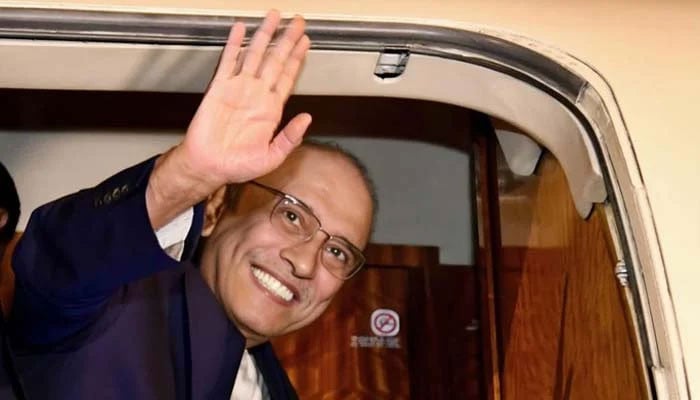
President Asif Ali Zardari has embarked on an official three-day diplomatic visit to the Federal Republic of Germany, leading a senior Pakistani delegation tasked with strengthening bilateral economic engagement and attracting European industrial investment. Official schedules confirmed by diplomatic channels indicate that the visit includes high-level engagements with senior German government officials, institutional business leaders, and representatives of prominent European conglomerates in Berlin and Frankfurt.
The bilateral agenda focuses heavily on expanding commercial exchange, securing vital technology transfers, and reaffirming political backing for Pakistan's access to the European Union's Generalised Scheme of Preferences Plus (GSP+) framework. Germany has historically served as Pakistan's primary trading partner inside the EU and a foundational market for Pakistani value-added textile exports, agro-commodities, and surgical apparatus. With Islamabad seeking macro-economic stabilization under rigorous international financial mandates, the diplomatic mission represents a coordinated sovereign effort to diversify export destinations and direct foreign capital inflows into strategic local industrial sectors.
Commercial & Economic Implications
For Pakistan’s commercial apparatus, retail sectors, and manufacturing networks, the presidential mission to Berlin carries substantial practical consequences. Germany represents both a destination for high-value merchandise and an indispensable source for specialized capital equipment, industrial chemical inputs, and precision machinery utilized across local processing factories.
A consolidated economic relationship directly supports domestic supply chains by easing technical modernization in textile production and engineering assembly. As domestic manufacturers struggle with elevated utility tariffs and tightening domestic credit, access to German joint ventures, vocational training pipelines, and direct enterprise partnerships remains critical. Moreover, sustained trade cooperation mitigates severe foreign exchange shortfalls, providing crucial foreign reserves that alleviate import compression pressures currently stifling Pakistan's wholesale distribution and consumer retail segments.
Related Intelligence: Sudan Drone Warfare Escalation Threatens Red Sea Supply Chains and Civilians
Stakeholder Perspectives & Market Reactions
Industrial stakeholders across Pakistan have welcomed the diplomatic outreach, emphasizing that bilateral discussions must translate into actionable commercial agreements rather than symbolic communiqués. The Federation of Pakistan Chambers of Commerce and Industry (FPCCI) and various regional trade bodies have frequently highlighted the critical role of German advocacy inside the European Commission regarding the preservation of preferential tariff regimes.
Textile and surgical manufacturing associations note that European consumers and retail buyers demand rigorous environmental, social, and governance (ESG) compliance. Collaborating directly with German supply chain entities enables Pakistani exporters to align factory standards with Europe's stringent corporate sustainability regulations. Concurrently, business analysts underscore the imperative of resolving operational roadblocks for foreign investors inside Pakistan, including the bureaucratic licensing gridlocks and currency repatriation restrictions that have historically deterred German enterprise commitments.
Forward Outlook & Key Watchpoints
The trajectory of Pakistan-Germany economic ties over the upcoming quarters will hinge upon concrete follow-up mechanisms established during this tour. Key indicators to monitor include the formal signing of bilateral memorandums of understanding (MoUs) in renewable energy, industrial waste management, and heavy automotive assembly, as well as concrete commitments regarding institutional credit lines.
Furthermore, market observers will scrutinize the formation of dedicated business-to-business (B2B) working councils that facilitate trade missions between Munich, Berlin, and commercial hubs like Karachi, Lahore, and Sialkot. If administrative follow-through aligns with presidential diplomacy, Pakistan's export ecosystem could see structured growth in high-margin shipments to Europe, fostering greater price stability and foreign exchange resilience in the domestic economy.
Join Our Official WhatsApp Channel
Receive live commodity alerts, policy changes, and commercial intelligence directly on WhatsApp.