
PIA Suspends Riyadh Flights Amid Escalating Middle East Tensions
Pakistan International Airlines has temporarily suspended flight operations to Riyadh in response to escalating security concerns across the Middle East.
The Core Development
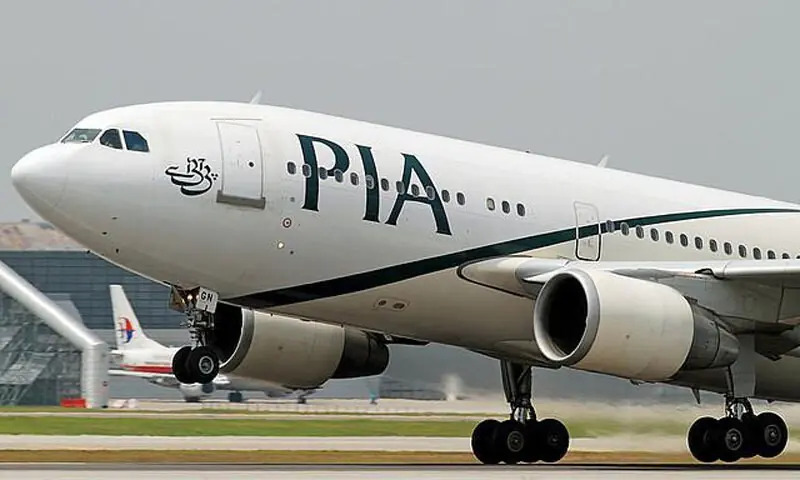
Pakistan International Airlines (PIA), the national flag carrier, announced on Friday the immediate and temporary suspension of all flight operations connecting major Pakistani hubs to Riyadh, the capital of Saudi Arabia. According to the official airline spokesperson, the decisive action was taken strictly "in view of the situation in the Middle East," referencing rapidly unfolding geopolitical developments and airspace security assessments in the region. The suspension impacts scheduled commercial services, creating immediate disruptions for thousands of travelers who rely on the carrier for direct transit between the two nations.
In light of the abrupt schedule changes, PIA management has issued directives advising all affected passengers to proactively contact the central PIA call center or authorized ticketing agents to verify updated flight statuses before embarking toward airports. The carrier's operations control center is currently coordinating with regional aviation authorities to continuously evaluate safety metrics, with no definitive timeline yet established for the full restoration of normal flight paths.
Commercial & Economic Implications
Beyond passenger inconvenience, the suspension of direct air links between Pakistan and Saudi Arabia carries substantial commercial and economic ramifications for trade, corporate travel, and logistics. Saudi Arabia hosts the largest expatriate Pakistani workforce globally, serving as the primary source of vital workers' remittances that support Pakistan's current account balance and macroeconomic stability. Any prolonged interruption in commercial aviation routes directly impacts business mobility, trade delegations, and small-to-medium enterprise supply chains that depend on reliable passenger and cargo belly-space.
Furthermore, the grounding of flights on this high-yield route places additional pressure on rival carriers operating within the corridor, potentially driving up airfares for stranded passengers seeking alternative transit options via third-party hubs. For retail and wholesale sectors in Pakistan, sustained disruptions in regional connectivity risk compounding existing transportation bottlenecks, ultimately feeding into broader inflationary pressures associated with international logistics and fuel volatility.
Related Intelligence: Yemen Economic Crisis Threatens Red Sea Stability and Global Supply Chains
Stakeholder Perspectives & Market Reactions
Industry bodies, travel agent associations, and economic analysts have expressed concern over the cascading effects of regional instability on Pakistan's aviation sector. Representatives from business alliances note that Saudi Arabia is a cornerstone of Pakistan's foreign trade and investment strategy, making seamless air corridors indispensable for bilateral economic engagements. Legal and aviation experts point out that while safety must remain the paramount consideration under international aviation standards, airlines face severe revenue losses and logistical overheads during sudden airspace closures.
Public response has been characterized by anxiety, particularly among families and expatriates with urgent travel requirements. Consumer advocacy groups have urged national carriers to ensure transparent communication, prompt refunds, and alternative routing arrangements for ticket holders stranded by the sudden policy shift.
Forward Outlook & Key Watchpoints
As the situation in the Middle East remains fluid, stakeholders are closely monitoring several critical indicators to gauge the duration and severity of the flight suspensions. Key watchpoints include updates from regional civil aviation authorities regarding airspace restrictions, security risk assessments issued by international bodies, and bilateral diplomatic communications between Islamabad and Riyadh.
If geopolitical tensions subside, PIA is expected to gradually resume operations subject to stringent safety clearances. However, persistent volatility could force the national carrier to implement long-term schedule adjustments, prompting a broader strategic review of its Middle Eastern route network and risk management protocols.
Join Our Official WhatsApp Channel
Receive live commodity alerts, policy changes, and commercial intelligence directly on WhatsApp.