
Pakistan Reaffirms Security Pact With Saudi Arabia Following Houthi Strikes
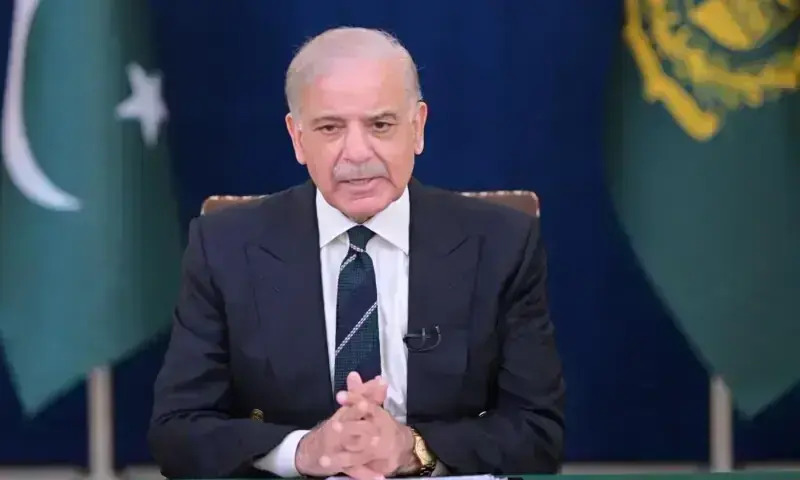
Prime Minister Shehbaz Sharif condemned recent Houthi attacks on Saudi Arabia, reaffirming Pakistan's security commitments under the Makkah Joint Defence Agreement.
The Core Development
Prime Minister Shehbaz Sharif has issued a forceful condemnation of the recent escalation in cross-border attacks directed at the Kingdom of Saudi Arabia by Houthi forces. In a formal statement disseminated via social media platform X, the premier specifically highlighted assaults targeting vital civilian infrastructure, including Riyadh's King Khalid International Airport and Abha International Airport. The strikes, which resulted in reported civilian casualties and widespread disruption, have drawn international concern regarding the fragility of ongoing regional peace efforts in the Arabian Peninsula.
During his address, Prime Minister Sharif lauded the operational vigilance and professionalism demonstrated by the Saudi armed forces, alongside the Saudi-led coalition operating in Yemen. The interception of incoming ballistic missiles averted what could have been a catastrophic humanitarian and infrastructural crisis. The Pakistani premier reiterated that Islamabad remains steadfast in its defense posture, anchoring its diplomatic and strategic position on the Makkah Joint Defence Agreement. Signed on August 7, the landmark pact reinforces collective deterrence between signatory states, enshrining the principle that an act of aggression against one member constitutes an attack against the entire collective.
Commercial & Economic Implications
While ostensibly a matter of geopolitical security and defense diplomacy, the intensification of hostilities in the Gulf carries profound economic reverberations for Pakistan. Saudi Arabia stands as a cornerstone of Pakistan's macroeconomic stability, serving as a primary supplier of vital petroleum products and a major destination for expatriate workers whose remittances form a critical lifeline for Pakistan's current account balance.
Any sustained security threat to Saudi infrastructure—particularly international aviation hubs and energy installations—inevitably injects volatility into global crude oil benchmarks. For Pakistan, a net energy importer currently navigating stringent fiscal consolidation programs under International Monetary Fund frameworks, crude price fluctuations directly dictate domestic retail fuel inflation, wholesale distribution costs, and transportation expenses. Increased shipping insurance premiums and supply chain disruptions through the Red Sea corridor further threaten to inflate import bills for industrial raw materials, compounding inflationary pressures on domestic retail markets and squeezing consumer purchasing power.
Related Intelligence: USS Abraham Lincoln Concludes Historic Middle East Deployment Amid Regional Tensions
Stakeholder Perspectives & Market Reactions
Business councils, trade federations, and financial analysts in Pakistan are closely monitoring the security dynamics in the Gulf. Export-oriented industries and chambers of commerce have expressed apprehension regarding potential second-order impacts on trade routes and maritime logistics connecting Karachi Port and Port Qasim with Middle Eastern destinations.
Concurrently, foreign policy experts and defense analysts have praised the unequivocal alignment with Riyadh, noting that the Makkah Joint Defence Agreement provides a structured institutional framework to protect bilateral economic interests. Financial markets have remained relatively steady, but commodities traders acknowledge that sustained geopolitical tensions could prompt defensive positioning across energy futures and foreign exchange reserves, as policymakers weigh the fiscal costs of maintaining regional security commitments.
Forward Outlook & Key Watchpoints
As diplomatic channels navigate the fallout from the latest Houthi escalation, several key watchpoints will dictate the trajectory of bilateral relations and regional commerce over the coming months. Observers will track the operational enforcement and strategic integration of the Makkah Joint Defence Agreement, particularly regarding joint military exercises and intelligence-sharing mechanisms.
Furthermore, domestic stakeholders will monitor global crude oil price trajectories and foreign exchange reserve metrics in Pakistan to gauge vulnerability to external shocks. Sustained diplomatic engagement by Islamabad, coupled with regional de-escalation efforts, will remain paramount in safeguarding long-term commercial investments, labor migration channels, and macroeconomic stability across the broader Middle Eastern corridor.
Join Our Official WhatsApp Channel
Receive live commodity alerts, policy changes, and commercial intelligence directly on WhatsApp.