
Peshawar School Roof Collapse Sparks Outcry Over Infrastructure Safety and Governance
Following a fatal school roof collapse in Peshawar that left dozens harmed, grieving families and civic groups demand accountability, exposing systemic failures in regional construction oversight and educational infrastructure maintenance.
The Core Development
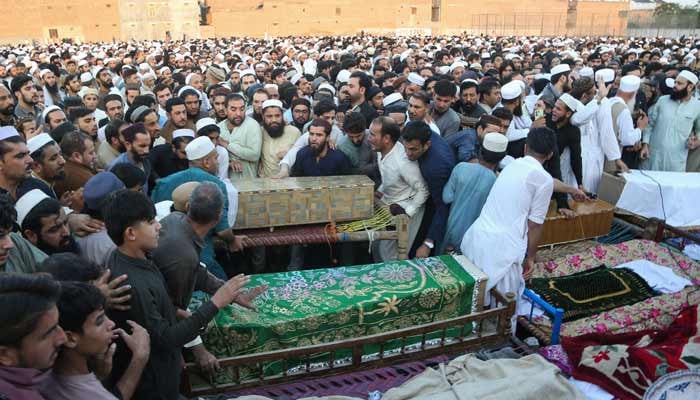
A catastrophic structural failure at an educational institution in Peshawar has triggered widespread public grief and severe regulatory scrutiny after a dilapidated roof collapsed, killing several students and injuring dozens more. The incident occurred during operational hours, trapping more than 30 pupils and staff beneath heavy debris. First responders, local residents, and emergency rescue personnel spent hours clearing rubble to extract victims, transporting the critically injured to nearby tertiary healthcare facilities including Lady Reading Hospital.
In the immediate aftermath, grieving families assembled outside administrative offices and medical centers demanding rigorous criminal investigations and punitive measures against negligent school administrators and local building authorities. Eyewitness accounts and preliminary reports indicate that the structure had exhibited signs of physical distress, including water seepage and structural cracking, which were left unaddressed. Provincial authorities have launched an inquiry into the engineering integrity of the premises and the historical deployment of municipal maintenance budgets.
Commercial & Economic Implications
While fundamentally a humanitarian tragedy, the incident casts a harsh light on broader fiscal and economic bottlenecks across Khyber Pakhtunkhwa. Decades of substandard public procurement practices, compromised material quality, and inadequate maintenance allocations continue to pose operational risks to public assets. The disaster highlights systemic inefficiencies in public works contracting, where cost-cutting measures frequently compromise engineering standards.
For regional construction supply chains, the tragedy is expected to catalyze rigorous regulatory audits. Structural safety evaluations could temporarily disrupt municipal works, delay ongoing institutional refurbishments, and increase compliance costs for private building contractors. Demands for certified structural materials, such as high-grade rebar, standard Portland cement, and proper waterproofing compounds, may raise the cost threshold for educational and municipal construction across northern Pakistan, impacting private contractors and public sector project margins alike.
Related Intelligence: Pakistan Reaffirms Strategic Defense and Economic Alignment with Saudi Arabia
Stakeholder Perspectives & Market Reactions
The disaster has drawn sharp condemnation from trade unions, legal experts, civil rights advocates, and trade bodies. Legal professionals have pointed to actionable violations of municipal building codes, calling for the filing of formal criminal negligence cases against both administrative heads and the contracting firms responsible for structural upkeep. Civil society organizations have raised urgent concerns regarding the distribution of provincial development funds, questioning why baseline safety standards remain unenforced in peripheral public facilities.
Contractor associations and engineering councils have privately acknowledged that informal sub-contracting and absence of independent structural testing during renovations are prevalent across public facilities. Community leaders have warned that without independent judicial oversight, administrative inquiries risk producing superficial findings that fail to address the institutionalized culture of procurement neglect and bureaucratic indifference.
Forward Outlook & Key Watchpoints
The provincial administration faces mounting pressure to deliver an uncompromised, transparent investigative report detailing the engineering failures that caused the collapse. Key milestones over the coming weeks include the formal release of forensic findings, the potential suspension of culpable municipal inspectors, and the enforcement of mandatory safety certifications across regional public schools.
Observers will monitor whether the provincial government institutes an emergency capital expenditure review to repair deteriorating institutional buildings before the onset of extreme weather patterns. Market participants will also assess whether the tragedy leads to revised municipal building codes and stringent pre-qualification standards for public works contractors, or if regulatory compliance will once again recede as immediate public pressure diminishes.
Join Our Official WhatsApp Channel
Receive live commodity alerts, policy changes, and commercial intelligence directly on WhatsApp.