
Massive 7.7 Magnitude Earthquake Strikes Panama Triggering Regional Tsunami Alerts
A powerful magnitude 7.7 earthquake struck Panama, causing severe structural damage and prompting emergency tsunami warnings across neighboring Central American nations.
Geopolitical & Core Developments
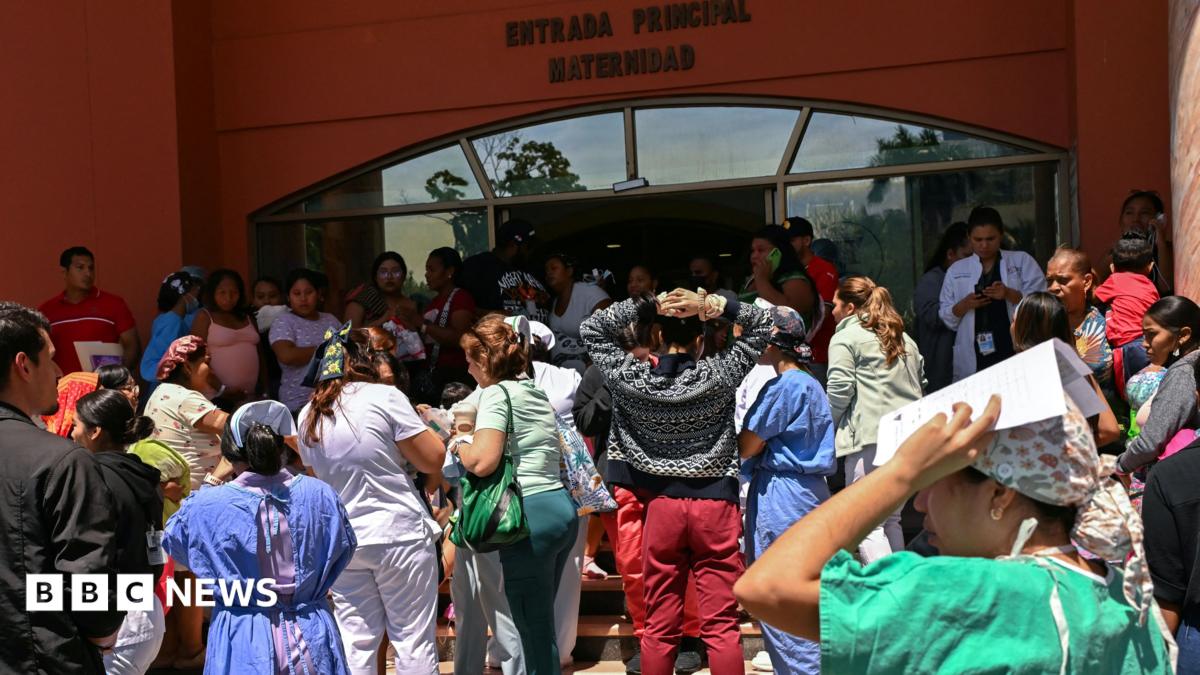
A powerful magnitude 7.7 earthquake struck off the coast of Panama on Tuesday, triggering widespread infrastructure damage, power outages, and immediate regional emergency responses. The seismic event, recorded at a shallow depth by global geological monitoring networks, sent tremors across Central America and prompted swift activations of national civil protection agencies. Initial reports circulating from the epicenter region indicate significant structural failures in residential and commercial buildings, alongside disrupted communication lines that have complicated initial damage assessments. Local governments in Panama declared immediate states of emergency, mobilizing national security forces, medical personnel, and search-and-rescue units to assist affected coastal and inland communities.
The timing and scale of the disaster have elevated concerns regarding regional stability and disaster response coordination. Neighboring nations, including Costa Rica, Colombia, and Nicaragua, placed their emergency response apparatuses on high alert. The seismic shockwaves underscored the vulnerability of critical infrastructure located along the seismically active Central American volcanic arc, compelling governments to re-evaluate regional disaster preparedness frameworks and emergency cross-border communication protocols.
Global Trade & Economic Ripples
Beyond the immediate humanitarian crisis, the earthquake poses severe implications for international commerce, particularly given Panama's pivotal role in global maritime logistics. The Panama Canal, a vital artery for international shipping connecting the Atlantic and Pacific oceans, serves as the transit route for a significant percentage of global container traffic and bulk commodity shipments, including liquefied natural gas, agricultural products, and manufactured goods. Initial inspections were immediately launched across canal locks, control systems, and transit infrastructure to determine whether structural integrity had been compromised.
Any sustained disruption to canal operations threatens to ripple rapidly through global supply chains, driving up freight rates, extending maritime transit times, and forcing international shipping companies to consider costly alternative routes around Cape Horn or the Strait of Magellan. Global commodity markets reacted with immediate volatility, as energy and agricultural traders weighed the potential bottlenecks against existing supply chain pressures. Insurance and risk-assessment firms began recalibrating exposure models for Central American trade routes, anticipating increased shipping premiums and potential delays in raw material deliveries to North American and Asian markets.
Related Intelligence: Pacific Basin on High Alert Following Massive 7.7 Magnitude Earthquake
International Reactions & Diplomatic Stances
International bodies and foreign governments swiftly responded to the unfolding crisis, offering humanitarian assistance, financial aid, and specialized rescue teams. The United Nations Office for the Coordination of Humanitarian Affairs (UNOCHA) stated it was in direct contact with Panamanian authorities to coordinate emergency relief efforts and assess immediate needs on the ground. Neighboring Latin American governments, including Mexico and Brazil, expressed solidarity and pledged logistical support, emphasizing regional cooperation in the face of natural catastrophes.
Financial analysts and multilateral economic institutions released preliminary notes highlighting the potential macroeconomic drag on Panama's domestic economy, noting that infrastructure reconstruction costs could necessitate fiscal adjustments. International credit rating agencies indicated they are closely monitoring the situation to evaluate whether the physical damage will exert downward pressure on the country's sovereign credit profile or disrupt ongoing public investment projects.
Strategic Outlook & Future Scenarios
As search-and-rescue operations transition into damage quantification and structural rehabilitation phases, the longer-term strategic outlook will depend heavily on the operational continuity of Panama's transportation network. Upcoming international maritime forums and trade summits are expected to place heightened emphasis on infrastructure resilience and climate-proofing critical global trade chokepoints against sudden geological and meteorological shocks.
In the coming weeks, diplomatic and commercial stakeholders will closely watch Panamanian authorities' progress in restoring full logistical capacity to the canal zone. Failure to quickly normalize transit operations risks exacerbating global supply chain bottlenecks, driving inflation in key commodity sectors, and prompting a broader strategic reassessment of global trade dependencies on single geographic transit corridors.
Join Our Official WhatsApp Channel
Receive live commodity alerts, policy changes, and commercial intelligence directly on WhatsApp.