
Delta Air Lines Faces Six Billion Dollar Fuel Surge Impact
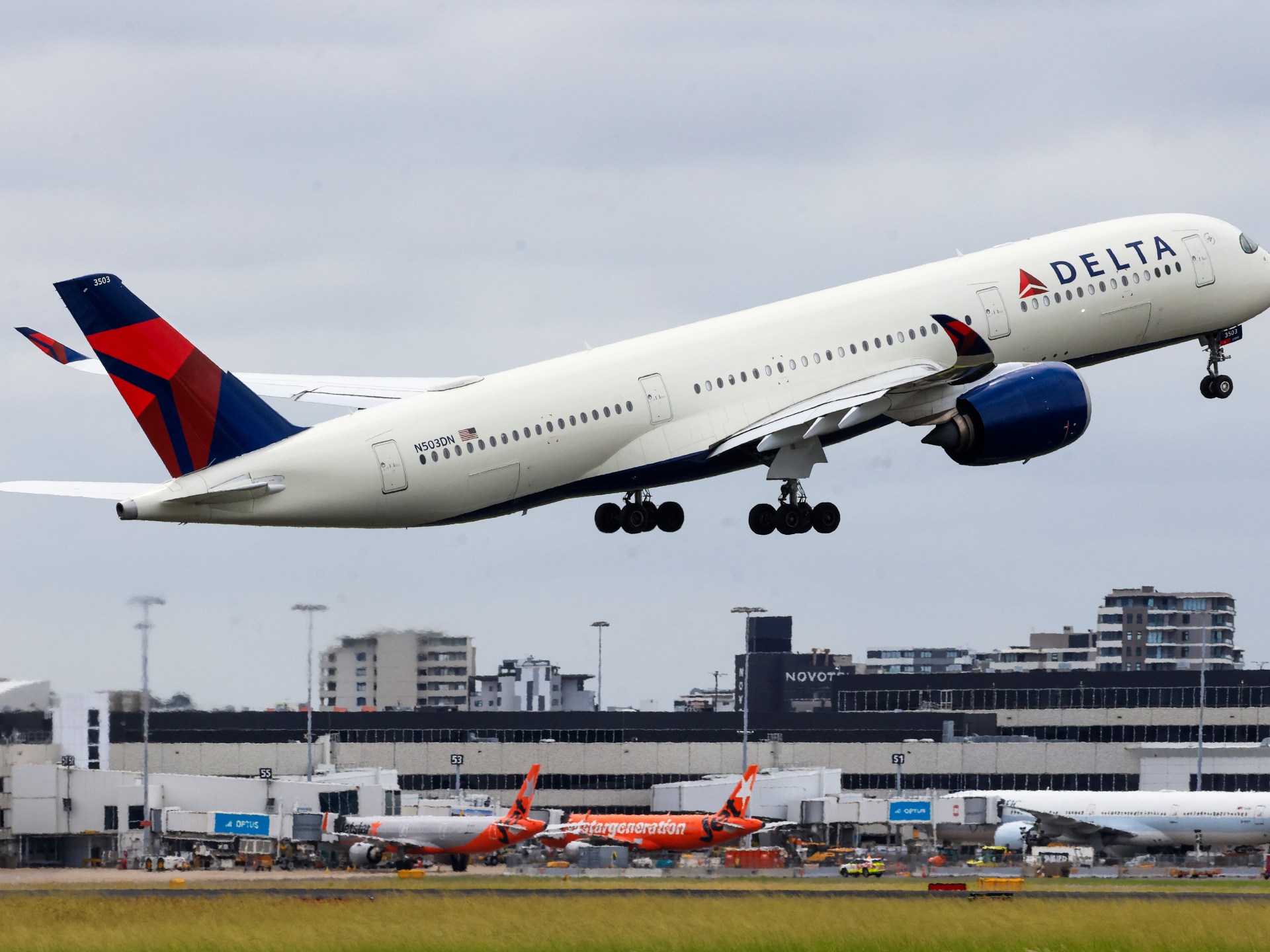
Escalating global fuel expenses have forced Delta Air Lines to significantly revise its long-term profit outlook despite robust passenger demand.
Geopolitical & Core Developments
The vulnerability of global commercial aviation to macroeconomic shocks has been laid bare once again as Delta Air Lines confronts a staggering six billion dollar increase in annual fuel expenses. Driven by persistent supply constraints in key petroleum-exporting regions and heightened geopolitical friction across vital shipping lanes, jet fuel prices have maintained an upward trajectory that defies traditional seasonal softening. State actors within major energy cartels continue to manage output quotas tightly, prioritizing fiscal balance over consumer-state demands for lower crude prices. For international carriers, this dynamic transforms routine fuel procurement into a high-stakes operational hazard. The strategic stakes for major airlines extend beyond immediate quarterly earnings; they strike at the core of capital allocation strategies, forcing executive boards to weigh the postponement of widebody aircraft acquisitions against the necessity of maintaining competitive route networks across the transatlantic and transpacific corridors.
Global Trade & Economic Ripples
The ripple effects of elevated jet fuel costs extend far beyond individual airline balance sheets, exerting downward pressure on global trade efficiency and passenger mobility. As jet fuel represents one of the largest variable costs for commercial operators, the six billion dollar inflation in Delta's cost structure serves as a bellwether for the broader transportation and logistics sector. Higher operating expenses inevitably translate into upward pressure on passenger ticket prices and air cargo tariffs. This cost-push inflation complicates central bank efforts to anchor consumer price expectations in major Western economies. Furthermore, international trade flows dependent on belly-hold cargo capacity in passenger aircraft face incremental cost burdens, potentially altering supply chain economics for high-value manufacturing, perishable goods, and pharmaceutical distribution networks across global trade hubs.
Related Intelligence: Trump Announces Russian Diesel Deal Amid Soaring US Fuel Prices
International Reactions & Diplomatic Stances
Market analysts and multilateral economic bodies have responded to the development with heightened caution, downgrading profitability forecasts for the broader global airline industry. Representatives from the International Air Transport Association have voiced growing concern over the compounding pressures of energy price volatility, environmental compliance mandates, and high interest rates. While government trade ministries have refrained from direct market intervention, diplomatic channels are increasingly active as consumer nations lobby producer states for greater supply transparency. Financial institutions have adjusted their risk assessments for the aviation sector, prompting a re-evaluation of debt-servicing capabilities for legacy carriers that rely heavily on syndicated loans and aircraft-backed financing facilities.
Strategic Outlook & Future Scenarios
Looking toward the medium-term horizon, the trajectory of commercial aviation profitability remains inextricably linked to geopolitical stability in the Middle East and Eastern Europe. Upcoming international energy forums and OPEC policy meetings will serve as critical barometers for future fuel price volatility. Industry strategists are accelerating contingency plans, including increased reliance on sustainable aviation fuels to hedge against fossil fuel price shocks, despite the current cost premium associated with green alternatives. Should geopolitical escalations disrupt maritime and pipeline transit further, airlines may be forced to implement aggressive capacity rationalization, cutting less profitable international routes to preserve operational liquidity through the end of the decade.
Join Our Official WhatsApp Channel
Receive live commodity alerts, policy changes, and commercial intelligence directly on WhatsApp.