
Iraq Marks US Troop Withdrawal as Sovereignty Days Redraw Regional Security
Iraq marks the formal withdrawal of United States forces with 'Sovereignty Days', initiating a new era of domestic security control and prompting a strategic reassessment across global energy and geopolitical markets.
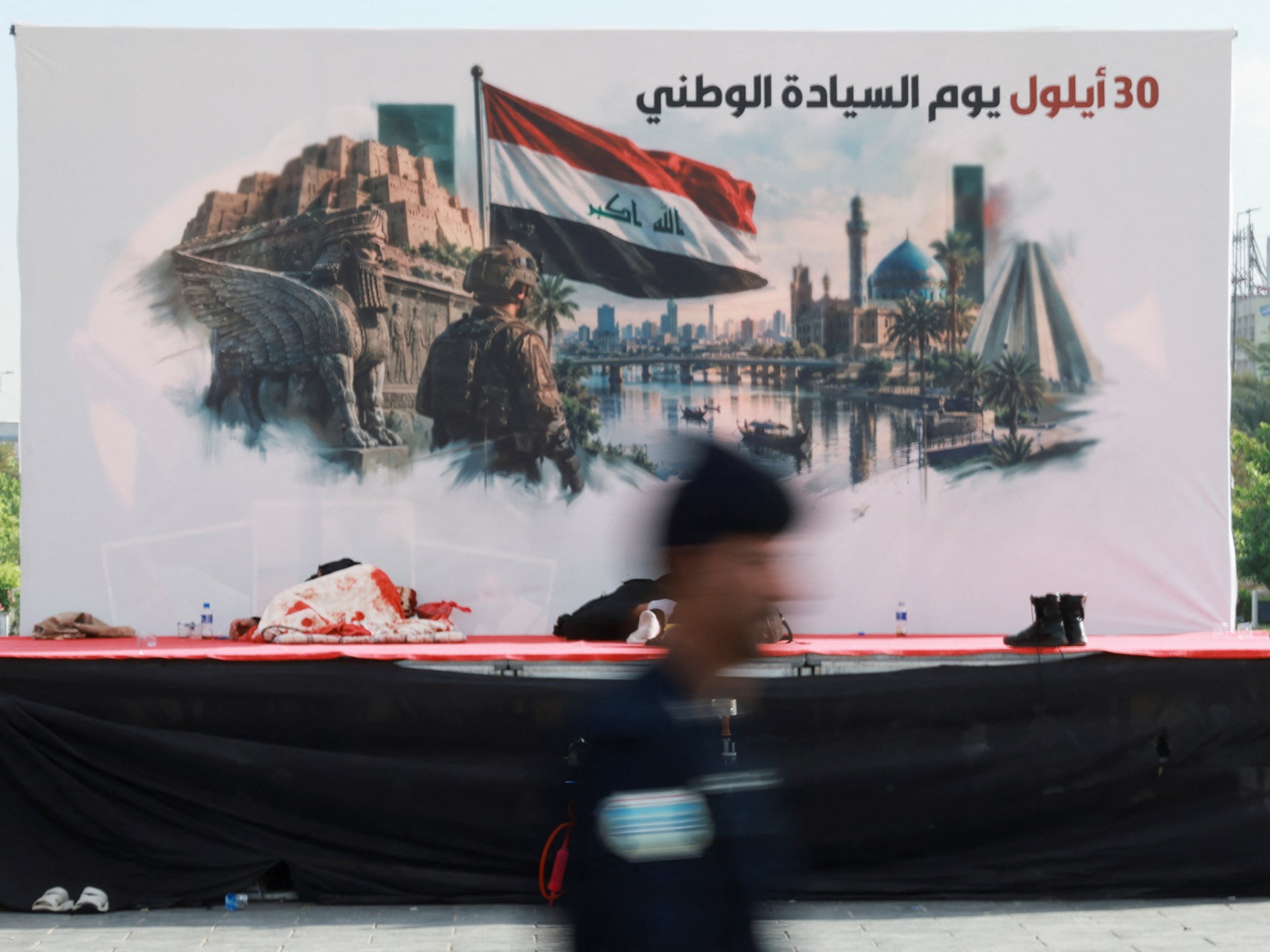
Geopolitical & Core Developments
Iraq has formally commemorated the withdrawal of United States military forces by declaring a series of national events under the banner of 'Sovereignty Days'. This milestone symbolizes a definitive turning point in modern Middle Eastern history, drawing the curtain on decades of foreign military presence that began with the 2003 invasion and subsequently evolved into advisory and counter-terrorism missions against ISIS. The transition places the onus of internal security, counter-insurgency operations, and border integrity squarely onto the shoulders of the Iraqi Armed Forces, Federal Police, and affiliated security apparatuses.
State actors across the region are closely monitoring how Baghdad manages its internal security landscape without direct Western military backing. The Iraqi government has emphasized a foreign policy built on balanced regional diplomacy, attempting to mediate tensions between neighboring Iran and various Gulf Cooperation Council (GCC) states. However, domestic political factions, militia dynamics, and ongoing regional proxy friction present severe hurdles to maintaining a stable state monopoly on violence. The strategic stakes extend far beyond Iraqi borders, as a secure and sovereign Baghdad could anchor regional stability, whereas a security vacuum risks inviting renewed destabilization from non-state actors.
Global Trade & Economic Ripples
For global commodity markets, particularly the international petroleum complex, Iraq remains a critical heavyweight as one of the Organization of the Petroleum Exporting Countries' (OPEC) largest producers. The recalibration of security forces directly impacts investor confidence among international energy majors operating massive oilfields in southern and northern Iraq. Assurances regarding pipeline security, tanker routing, and infrastructure protection are vital to preventing supply shocks that could ripple through global crude benchmarks like Brent and West Texas Intermediate.
Beyond crude oil, the withdrawal influences broader trade corridors and foreign direct investment (FDI) inflows. International shipping lanes and logistical supply chains traversing the Mesopotamian basin depend heavily on internal domestic stability. International trade analysts note that any perceived security deterioration could inflate risk premiums on regional maritime and overland commerce, while currency values such as the Iraqi dinar face fluctuating pressures tied to fiscal policy reforms, foreign exchange reserves, and hydrocarbon revenue stability. Global markets remain vigilant, pricing in the nuanced risk of potential security spillovers into neighboring transit hubs.
Related Intelligence: Strait of Hormuz Oil Flows Recover Despite Persistent Geopolitical Risk
International Reactions & Diplomatic Stances
International bodies and foreign ministries have offered measured responses to the historic transition. The United Nations Assistance Mission for Iraq (UNAMI) released statements commending the professionalism of Iraqi security forces while underscoring the enduring need for robust institutional reforms, human rights protections, and inclusive governance. Western capitals have reiterated their commitment to maintaining diplomatic and economic partnerships, pivoting from a military footprint to bilateral civil, commercial, and educational cooperation.
Conversely, regional powers have expressed differing strategic calculations. Neighboring states have stepped up diplomatic engagements with Baghdad to solidify economic corridors and security coordination agreements. Financial market analysts and geopolitical risk consultancies have advised institutional investors to maintain a cautious posture, noting that while the symbolic assertion of sovereignty is politically potent, the practical execution of independent defense logistics will require sustained international technical and intelligence-sharing support.
Strategic Outlook & Future Scenarios
Looking ahead, Iraq's trajectory will hinge on its ability to insulate domestic institutions from external geopolitical interference and internal sectarian fracture points. Upcoming bilateral summits between Baghdad and international partners will likely focus on economic diversification, infrastructure rehabilitation, and energy independence. The management of disputed territories, particularly regarding oil revenue-sharing mechanisms between the federal government and the Kurdistan Regional Government (KRG), remains a crucial domestic flashpoint that could trigger economic volatility.
Ultimately, the success of the post-withdrawal era will be measured by whether Baghdad can leverage its renewed sovereignty to attract foreign capital, stabilize energy output, and foster regional trade integration. As global powers vie for influence in a multipolar Middle East, Iraq's ability to chart an independent, stable course will serve as a definitive barometer for broader geopolitical equilibrium across the wider global south.
Join Our Official WhatsApp Channel
Receive live commodity alerts, policy changes, and commercial intelligence directly on WhatsApp.