
Pakistan Targets Cross-Border Terrorism at Moscow Consultations on Afghanistan
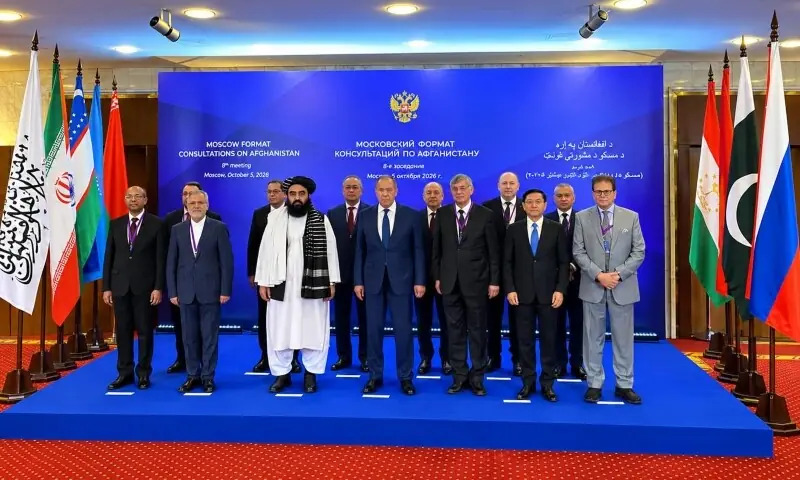
At the eighth Moscow Format Consultations, Pakistan's Special Representative Mohammad Sadiq declared terrorism as the core crisis facing Afghanistan, reiterating firm measures to protect national security.
The Core Development
At the eighth meeting of the Moscow Format Consultations on Afghanistan, held in the Russian capital, Pakistan placed cross-border security and militancy at the forefront of regional deliberations. Pakistan’s Special Representative for Afghanistan, Mohammad Sadiq, delivered a stern assessment of the security landscape, stating unequivocally that terrorism remains at the absolute core of Afghanistan’s myriad problems. The high-level moot convened key regional stakeholders and representatives from Afghanistan to address mounting security challenges, humanitarian concerns, and long-term stabilization frameworks. According to an official statement issued by the Ministry of Foreign Affairs (FO) in Islamabad, Sadiq reaffirmed that Pakistan will continue to deploy all appropriate policy, administrative, and security measures to ensure the absolute safety of its citizens, acting strictly in accordance with international law and state sovereignty.
Commercial & Economic Implications
While diplomatic deliberations in Moscow centered primarily on geopolitical security, the economic repercussions for Pakistan are profound. Persistent instability and unchecked militant sanctuaries along the western frontier directly disrupt bilateral trade corridors, transit commerce under the Afghanistan-Pakistan Transit Trade Agreement (APTTA), and wholesale supply chains linking Central Asia to Pakistani ports. Unresolved security crises inflate logistics costs, heighten cargo insurance premiums, and provoke border closures that inflict immediate financial losses on retail traders, agricultural exporters, and industrial manufacturers operating in Khyber Pakhtunkhwa and Balochistan. Furthermore, trade bottlenecks exacerbate inflationary pressures on essential imported commodities, complicating macroeconomic stabilization efforts currently overseen by financial authorities in Islamabad.
Related Intelligence: US Caribbean Interdiction Strike Sparks Human Rights and Trade Route Scrutiny
Stakeholder Perspectives & Market Reactions
Business councils, cross-border trader associations, and industry bodies have expressed cautious optimism blended with acute anxiety regarding the ongoing diplomatic engagements. Representatives from the chambers of commerce in northwestern Pakistan argue that sustainable commercial growth hinges entirely upon durable border security and predictable regulatory frameworks. While business communities welcome diplomatic outreach through multilateral platforms like the Moscow Format, they demand immediate, tangible protocols to streamline customs clearance and protect commercial convoys from militant disruptions. Legal experts note that Pakistan's explicit invocation of international law in its security policy signals a balanced approach aimed at mitigating regional friction while retaining the sovereign prerogative of self-defense.
Forward Outlook & Key Watchpoints
As diplomatic channels remain active, market analysts and policy planners will closely monitor several critical milestones in the coming months. Key watchpoints include the implementation timeline of counter-terrorism agreements discussed in Moscow, potential shifts in Afghan interim administration policies regarding militant groups, and bilateral trade volumes through the Torkham and Chaman crossings. Sustained security dialogues will determine whether regional cooperation can translate into secure trade routes, ultimately safeguarding Pakistan's macroeconomic recovery and commercial expansion across western regional markets.
Join Our Official WhatsApp Channel
Receive live commodity alerts, policy changes, and commercial intelligence directly on WhatsApp.