
Hong Kong Media Arrest Deepens Press Freedom Concerns and Financial Risk
Hong Kong's detention of a prominent media founder over 2019 protest footage escalates international concerns regarding press freedom, legal certainty, and the territory's status as a premier global financial hub.
Geopolitical & Core Developments
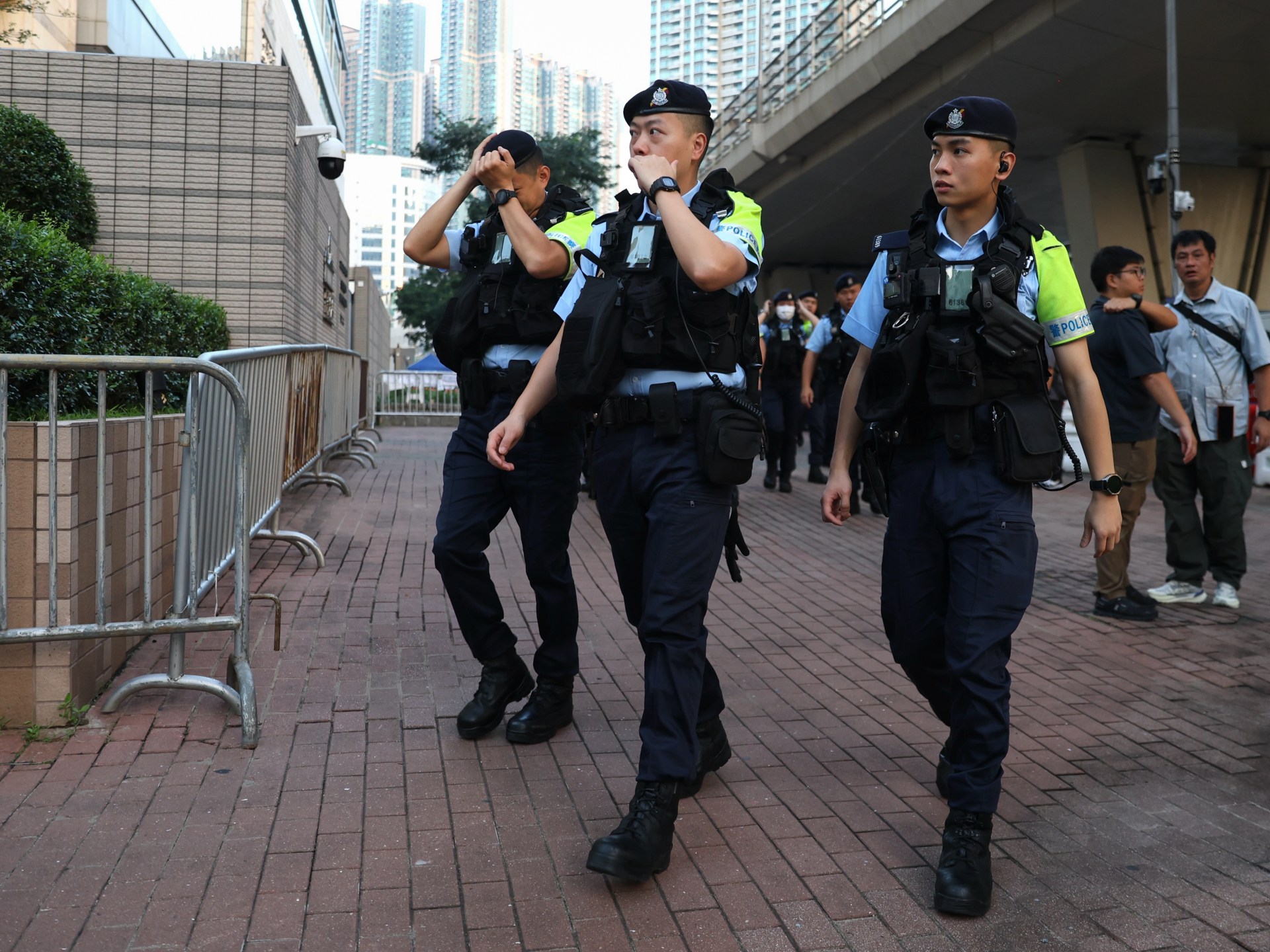
Hong Kong authorities have detained a high-profile media founder under stringent colonial-era sedition laws, marking another critical juncture in the ongoing erosion of civil liberties in the special administrative region. The arrest centers on the distribution and archival of documentary footage capturing the violent clashes at the Prince Edward MTR station during the mass pro-democracy protests of 2019. Law enforcement officials argue that the broadcast materials incite hatred against the central government and local administration, underscoring a widening interpretation of national security offenses.
This legal action reflects the deepening integration of mainland China's legal standards into Hong Kong's once-distinct common law framework. State actors and local security bureaus have intensified their scrutiny of independent journalism, civic archives, and digital content creators. The timeline of this arrest highlights a systematic campaign to preemptively neutralize historical counter-narratives regarding the 2019 civil unrest, consolidating state control over public memory and information dissemination.
Global Trade & Economic Ripples
While the arrest is primarily a socio-political event, its commercial reverberations are profound for multinational corporations, financial institutions, and global trade operators utilizing Hong Kong as a gateway to mainland China. The erosion of institutional autonomy and press freedom directly challenges the predictable regulatory environment that international capital requires. Global commodity traders, private equity firms, and supply chain managers rely on transparent data, unfettered access to global news, and a predictable judiciary.
As information flows become increasingly restricted and self-censorship permeates local corporate advisory services, the risk premium for operating within the territory rises. Foreign enterprises are actively re-evaluating their regional headquarters and legal exposure. Any degradation of Hong Kong's distinct legal status impairs its function as an international financial center, potentially redirecting capital flows toward competing regional hubs such as Singapore, Tokyo, and Seoul.
Related Intelligence: Nepal Landslides Stranded Trekkers Trigger Supply Chain and Tourism Crisis
International Reactions & Diplomatic Stances
Global reaction has been swift, characterized by deep concern from Western governments, international press freedom organizations, and multilateral human rights bodies. The United Nations Human Rights Office, alongside foreign ministries in London, Washington, and Brussels, issued formal statements condemning the continued deployment of sedition laws to stifle independent journalism and historical inquiry.
Conversely, Beijing and the Hong Kong government have rebuffed international criticism, framing these domestic security measures as vital safeguards for social stability and national sovereignty. Market analysts note that while immediate economic sanctions remain unlikely, diplomatic friction continues to mount. Western legislative bodies are under mounting pressure to reassess bilateral trade agreements, tariff exceptions, and technology export controls tied to Hong Kong's autonomous status.
Strategic Outlook & Future Scenarios
Looking ahead, the trajectory of press freedom and legal transparency in Hong Kong points toward further consolidation of state oversight. Upcoming legislative sessions and local judicial rulings will serve as key barometers for foreign investors assessing structural risk. As the boundary between mainland Chinese commercial law and Hong Kong jurisprudence continues to blur, multinational firms must prepare for heightened compliance burdens, increased vetting of corporate communications, and potential disruptions in talent acquisition.
Geopolitical escalation points will likely materialize during major international economic summits and diplomatic dialogues, where Western nations will challenge Beijing's adherence to the Sino-British Joint Declaration. For global supply chain operators and commodity markets, the overarching lesson remains clear: geopolitical volatility and institutional erosion within premier trade hubs demand rigorous risk mitigation and strategic diversification.
Join Our Official WhatsApp Channel
Receive live commodity alerts, policy changes, and commercial intelligence directly on WhatsApp.