
Trump Hints at US Military Strike on Iran Amid Escalating Standoff
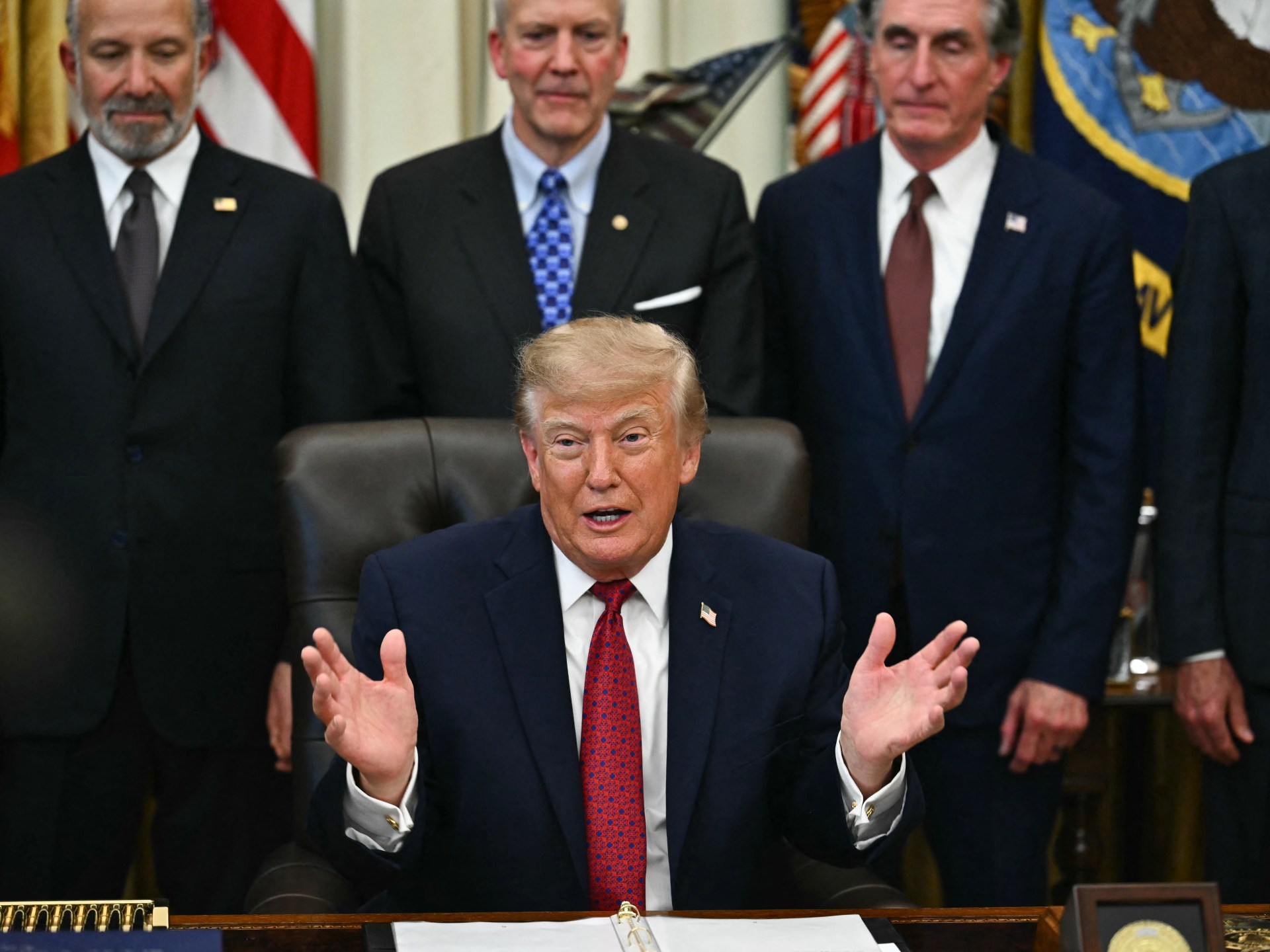
President Donald Trump has suggested the United States could launch military strikes against Iran or force a rapid diplomatic settlement, heightening global geopolitical anxieties and commodity market volatility.
Geopolitical & Core Developments
The geopolitical confrontation between the United States and the Islamic Republic of Iran has entered a perilous new phase following explicit warnings from Washington regarding potential military action. In recent public remarks, United States President Donald Trump asserted that Washington maintains the capability to decisively neutralize Iranian strategic infrastructure or alternatively compel Tehran into a comprehensive diplomatic settlement. The administration's rhetoric underscores a zero-sum posture, with officials indicating that the protracted multi-decade standoff is approaching an inflection point that will be resolved either through capitulation or direct kinetic engagement.
State actors across the Middle East are closely monitoring troop movements and intelligence reports, anticipating potential retaliatory postures from Iran's Islamic Revolutionary Guard Corps (IRGC) and its regional proxy network. The strategic stakes extend far beyond immediate bilateral grievances, encompassing the security architecture of the entire Persian Gulf and the enforcement of international non-proliferation norms. Military analysts note that while Washington favors maximum economic pressure, the explicit mention of kinetic options signals that traditional deterrence frameworks are under severe strain.
Global Trade & Economic Ripples
International commodity markets and global energy supply chains reacted swiftly to the heightened belligerence, registering immediate upward pressure on crude oil benchmarks. The Persian Gulf remains the central artery for international petroleum transit, with the Strait of Hormuz handling a substantial percentage of globally traded liquid bulk. Any kinetic conflict or asymmetric naval disruption in these waters threatens to choke off vital shipping lanes, precipitating severe supply shocks and inflationary pressures across industrialized economies.
Beyond energy futures, maritime insurance underwriters have begun adjusting risk premiums for commercial vessels operating in the broader Middle Eastern theater. Freight forwarders and multinational corporations dependent on Eurasian trade routes are actively stress-testing alternative logistics corridors. Currency markets have also reflected the risk-off sentiment, with safe-haven assets appreciating as institutional investors hedge against the prospect of a protracted regional conflagration that could destabilize global financial recovery.
Related Intelligence: Nepal Landslides Stranded Trekkers Trigger Supply Chain and Tourism Crisis
International Reactions & Diplomatic Stances
Multilateral institutions and allied capitals have responded to Washington's pronouncements with a mixture of public alarm and private diplomatic scrambling. United Nations officials have issued urgent appeals for maximum restraint, warning that miscalculations in the Persian Gulf could trigger an uncontrollable escalation cycle with catastrophic humanitarian consequences. European Union foreign policy representatives have reiterated their commitment to preserving diplomatic channels, emphasizing that a military solution will yield enduring instability rather than durable security.
Meanwhile, market analysts and geopolitical risk consultancies have upgraded their threat assessments for the region. Energy importing nations in Asia, particularly major economies heavily reliant on Middle Eastern crude such as China, India, Japan, and South Korea, are expressing deep concern over potential supply disruptions. Diplomatic backchannels are reportedly active, with neutral third-party states attempting to mediate a de-escalation framework before rhetoric translates into irreversible military operations.
Strategic Outlook & Future Scenarios
Looking ahead, the trajectory of the US-Iran crisis hinges on whether diplomatic off-ramps can be established before domestic political imperatives in Washington and Tehran foreclose compromise. Upcoming international summits and scheduled ministerial meetings will serve as critical barometers for assessing whether allied pressure can temper unilateral military inclinations. Sanctions enforcement is expected to tighten further, with Washington likely targeting secondary nodes of Iran's illicit petroleum export network to squeeze state revenues.
Geopolitical escalation points remain acute, particularly concerning cyber warfare capabilities, proxy clashes in regional flashpoints, and potential naval skirmishes in disputed territorial waters. Commercial stakeholders must prepare for a prolonged period of elevated volatility, characterized by unpredictable policy shifts, erratic commodity pricing, and heightened operational risks across all Middle Eastern commercial corridors.
Join Our Official WhatsApp Channel
Receive live commodity alerts, policy changes, and commercial intelligence directly on WhatsApp.