
Pakistan Shifts Economic Focus From Stabilization To Export-Led Growth
Prime Minister Shehbaz Sharif has urged a strategic national transition from economic stabilization to aggressive growth, job creation, and export promotion following restored macroeconomic stability.
The Core Development
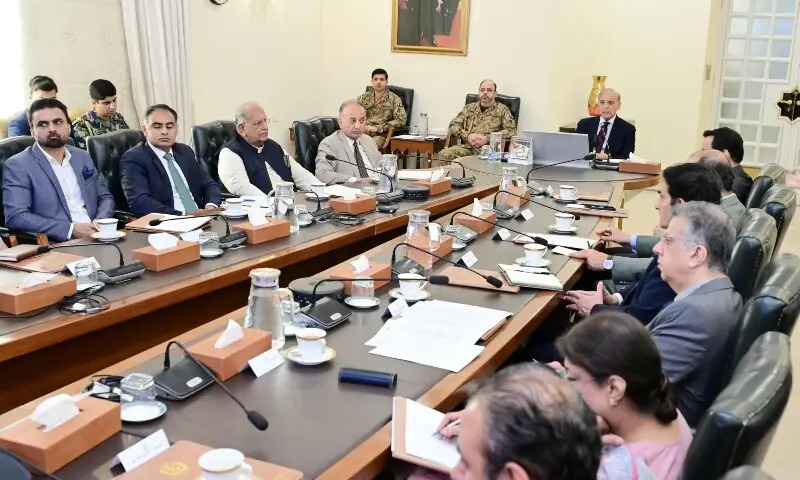
In a significant policy pivot, Prime Minister Shehbaz Sharif on Thursday called for an immediate strategic transition from short-term economic stabilization to sustainable, long-term growth, large-scale job creation, and aggressive export promotion. Addressing a virtual gong ceremony in Karachi from Islamabad to mark the official listing of the Naya Nazimabad Apartment REIT scheme, the premier emphasized that Pakistan has successfully navigated its most acute financial distress through coordinated federal and provincial interventions, backed by critical financial institutions.
The event, which celebrated a landmark milestone in the country's real estate investment trust sector, served as a broader platform for the prime minister to outline the next phase of Pakistan's economic trajectory. Having arrested the downward spiral of foreign reserves, stabilized the local currency, and brought inflation down from historic highs, the federal administration is now shifting its institutional focus toward productive sectors that can generate employment for a burgeoning youth demographic and integrate Pakistani goods more deeply into global supply chains.
Commercial & Economic Implications
This policy realignment carries profound implications for Pakistan's commercial landscape, retail trade, and wholesale distribution networks. For months, tight monetary policies and contractionary fiscal measures—dictated by stabilization imperatives—have suppressed domestic demand, elevated borrowing costs, and strained commercial enterprises. Retailers and distributors across major commercial hubs such as Karachi, Lahore, and Faisalabad have grappled with diminished consumer purchasing power and escalating overhead costs.
A transition toward growth and export promotion promises to unlock credit channels, revitalize manufacturing sectors, and stimulate wholesale trade. By incentivizing export-oriented industries—particularly textiles, agriculture, and information technology—the government aims to generate sustainable foreign exchange earnings rather than relying solely on external borrowing and import compression. For consumers, a sustained push toward economic expansion could translate into increased employment opportunities and greater market liquidity, though policymakers must carefully balance growth stimuli against the risk of reigniting inflationary pressures.
Related Intelligence: Federal Government Delays Emergency Rule in Khyber Pakhtunkhwa Amid Political Tensions
Stakeholder Perspectives & Market Reactions
Rethinking the national economic agenda has drawn cautious optimism from business councils, corporate leaders, and financial market participants. Representatives from key trade bodies and chambers of commerce have long argued that prolonged stabilization measures, while necessary to avert sovereign default, were stifling industrial capacity utilization. The successful flotation of the Naya Nazimabad Apartment REIT scheme itself reflects growing investor confidence in alternative asset classes and capital market instruments, signaling that institutional liquidity is beginning to flow back into regulated development projects.
However, industry stakeholders emphasize that rhetoric must be matched by structural reforms. Business associations continue to lobby for rationalized energy tariffs, simplified tax compliance mechanisms, and competitive financing rates to ensure that Pakistani enterprises can compete effectively in international markets. Financial analysts note that sustaining market enthusiasm will depend heavily on the government's ability to execute structural reforms in state-owned enterprises and broaden the tax base without penalizing compliant formal sectors.
Forward Outlook & Key Watchpoints
As Pakistan enters this new economic phase, several critical milestones will determine the success of the growth-oriented agenda. Key watchpoints for economists and market watchers include upcoming monetary policy decisions by the State Bank of Pakistan regarding interest rate adjustments, quarterly trade deficit figures, and the pace of foreign direct investment inflows into capital markets and real estate investment trusts.
Policy enforcement will be crucial. The federal government must ensure that regulatory frameworks remain transparent and conducive to private sector investment, particularly as the country seeks to diversify its export basket and attract foreign capital. Timely implementation of structural benchmarks agreed upon with multilateral lenders, coupled with targeted incentives for export industries, will dictate whether this strategic shift successfully translates into enduring macroeconomic prosperity and tangible relief for the domestic workforce.
Join Our Official WhatsApp Channel
Receive live commodity alerts, policy changes, and commercial intelligence directly on WhatsApp.