
Pakistan Secures Staff-Level Agreement with IMF for $1.2bn Tranche
Pakistan and the IMF have reached a staff-level agreement for a $1.2 billion disbursement under combined EFF and RSF reviews.
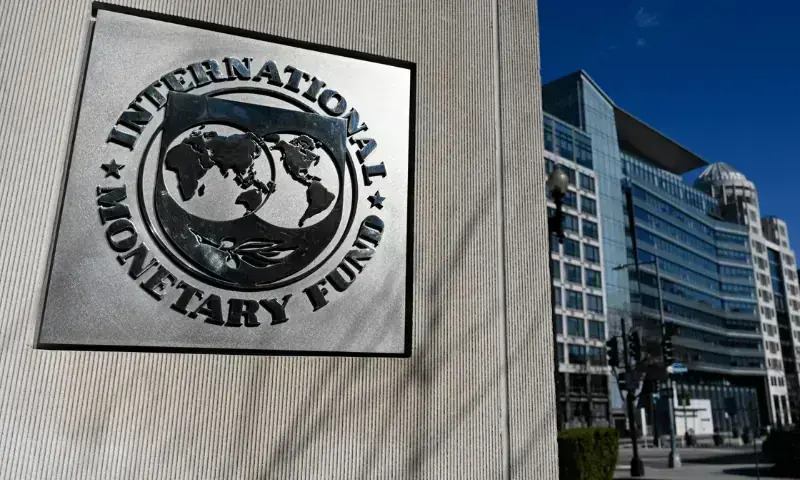
The Core Development
International Monetary Fund (IMF) and Pakistani authorities have successfully concluded negotiations, reaching a critical staff-level agreement (SLA) on the fourth review under the USD 7 billion Extended Fund Facility (EFF). Alongside this, both sides finalized the third review of the USD 1.4 billion Resilience and Sustainability Facility (RSF). Announced via an official statement during the early hours of Thursday in Islamabad, the agreement paves the way for Pakistan to access approximately USD 1.2 billion in financing. The formal disbursement remains subject to approval by the IMF Executive Board, which financial analysts anticipate will review the file within the next four to five weeks.
The discussions, held over multiple weeks between the economic team led by federal finance officials and the visiting IMF mission, centered on macroeconomic stabilization, structural fiscal reforms, and adherence to performance criteria. The combined package underscores the lender's recognition of Islamabad's ongoing efforts to maintain fiscal discipline, widen the tax net, and manage external account pressures despite domestic political and social headwinds.
Commercial & Economic Implications
For the domestic commercial landscape and wholesale distribution networks across Pakistan, this staff-level agreement serves as a crucial anchor for macroeconomic stability. Foreign exchange reserves, which remain the lifeblood of import-dependent commercial enterprises, are projected to receive a substantial boost, thereby easing letters of credit (LC) constraints for industrial raw materials and consumer goods. Retail traders and wholesale distributors have long grappled with volatility in foreign exchange rates and high borrowing costs, both of which have been exacerbated by stringent prior policy tightening.
While the immediate liquidity injection helps stabilize currency parity and dampens imported inflation risks, the underlying structural benchmarks attached to the EFF continue to impose a heavy tax and energy tariff burden on commercial operators. Inflationary pressures, though decelerating from peak historical levels, remain sensitive to adjustments in electricity and petroleum pricing mandated under fiscal consolidation targets. Supply chains dealing in imported inputs anticipate moderate relief in clearance timelines at major ports, provided inter-bank liquidity improves and foreign exchange buffers solidify further following board approval.
Related Intelligence: Legal and Ethical Shockwaves After Botched Execution
Stakeholder Perspectives & Market Reactions
Market reactions across the Karachi Stock Exchange (KSE) and major business chambers have been cautiously optimistic, reflecting relief over averted liquidity crunches. Leading trader associations and industrial bodies have welcomed the prospective USD 1.2 billion inflow as a vital confidence booster for foreign and domestic investors. However, representatives from the manufacturing and retail sectors continue to voice concerns regarding high energy tariffs and cascading taxation structures that constrain operational expansion and consumer purchasing power.
Economic analysts point out that while the SLA signals continued program performance compliance, the sustainability of economic growth relies heavily on structural reforms beyond fiscal adjustments. Legal and financial experts emphasize that strict adherence to governance milestones, state-owned enterprise (SOE) privatization timelines, and broadening direct tax enforcement will dictate whether Pakistan can graduate from chronic balance-of-payment cycles.
Forward Outlook & Key Watchpoints
Attention now shifts toward the formal convening of the IMF Executive Board for final program approval and the subsequent release of the funds. Key watchpoints for businesses and investors include the federal government's execution of upcoming budget targets, implementation of planned energy sector reforms to curtail circular debt accumulation, and maintenance of a prudent monetary stance by the central bank.
Policy enforcement will remain under intense scrutiny as international lenders monitor revenue collection performance and structural benchmarks. For commercial stakeholders across Kalyar Traders' network, navigating the coming months will require close alignment with shifting fiscal policies, energy price adjustments, and evolving foreign exchange liquidity dynamics.
Join Our Official WhatsApp Channel
Receive live commodity alerts, policy changes, and commercial intelligence directly on WhatsApp.