
Pakistan Adjusts Fuel Tariffs as Petrol Rises and Diesel Dips
Pakistan's government adjusts fuel prices, raising petrol by Rs1.82 per litre while reducing high-speed diesel by Re0.91, impacting transport and retail sectors nationwide.
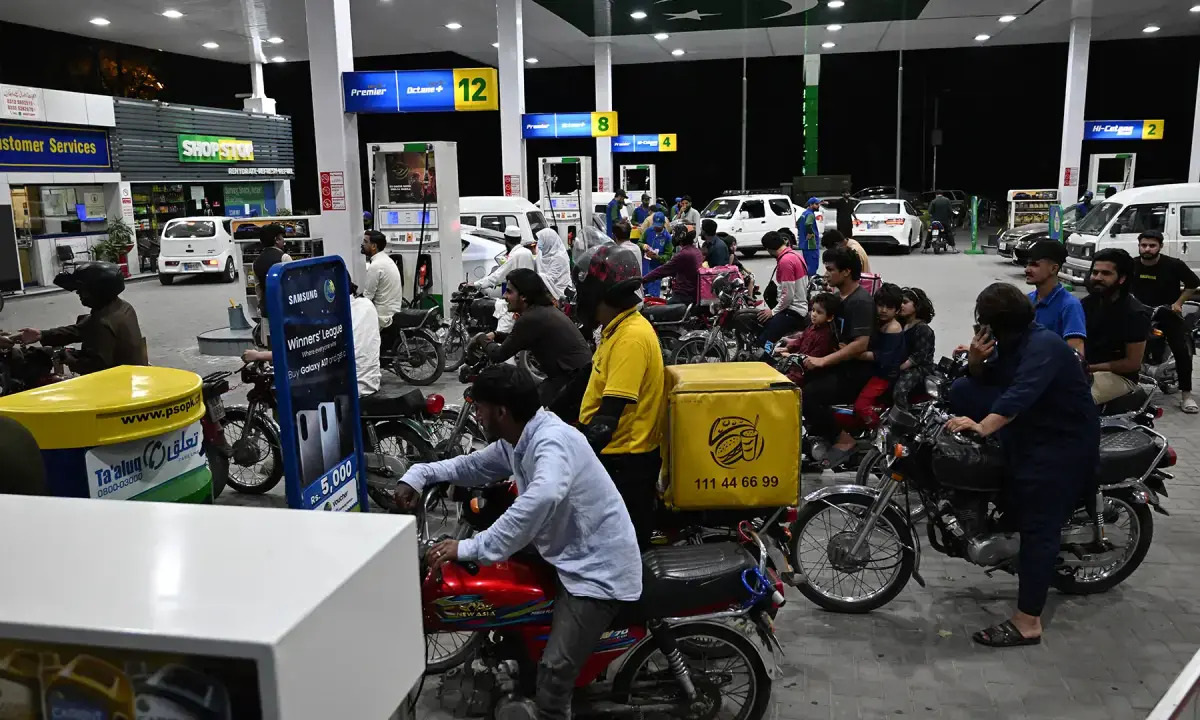
The Core Development
In a crucial fortnightly review of petroleum product pricing, the Government of Pakistan announced a slight upward revision in the price of petrol, alongside a marginal downward adjustment for high-speed diesel (HSD). According to the official notification issued by the Ministry of Finance following recommendations from the Oil and Gas Regulatory Authority (OGRA), the ex-depot price of petrol has been increased by Rs1.82 per litre. Conversely, the price of high-speed diesel—a vital fuel powering the country's heavy transport, agricultural machinery, and freight logistics—has been reduced by Re0.91 per litre.
The revised pricing structure takes immediate effect across the country, serving as the benchmark for retail distribution networks for the upcoming fortnightly cycle. This decision is anchored in the latest trends observed in international petroleum markets, Brent crude pricing benchmarks, and the prevailing exchange rate dynamics managed by the State Bank of Pakistan. While policymakers attempt to balance fiscal consolidation targets under ongoing international financial arrangements with the need to shield consumers from extreme volatility, these incremental adjustments highlight the delicate equilibrium required in managing Pakistan's energy economy.
Commercial & Economic Implications
Fuel price adjustments wield an immediate and profound influence on Pakistan's broader macroeconomic indicators, particularly transport costs, food inflation, and wholesale price indices. Petrol is predominantly utilized by private vehicles, two-wheelers, and small commercial transport units. The Rs1.82 per litre increase adds a minor yet cumulative burden to urban commuters and delivery services, directly filtering into the operational overheads of small-to-medium enterprises relying on light transport.
On the other hand, the reduction in high-speed diesel prices by Re0.91 per litre provides a slight, albeit symbolic, relief to the agriculture and freight sectors. Diesel is the economic lifeblood of tractor operations, tubewells, and inter-city cargo trucks. Transport associations have frequently noted that while minor diesel price cuts offer temporary breathing space, the persistent high baseline of energy tariffs continues to strain supply chain economics. Furthermore, downstream petroleum retailers and oil marketing companies (OMCs) must swiftly recalibrate pump prices across nationwide distribution networks, ensuring compliance with OGRA's notified margins while navigating inventory holding costs.
Related Intelligence: Hijacked Tanker Crew Members Return to Karachi Amid Supply Chain Concerns
Stakeholder Perspectives & Market Reactions
Reaction from trade bodies, transport federations, and consumer associations has been measured, reflecting a growing fatigue with fortnightly price volatility. Representatives of local goods transport associations pointed out that minor downward revisions in diesel do little to offset the structural high costs of spare parts, toll taxes, and previous cumulative fuel hikes. They argue that comprehensive relief requires long-term stabilization of the local currency and a more transparent breakdown of petroleum levy applications.
Meanwhile, economic analysts and energy sector experts emphasize that the government remains constrained by revenue collection targets. The Petroleum Development Levy (PDL) continues to serve as a primary instrument for meeting fiscal deficit goals agreed upon with multilateral lenders. Consequently, even when international crude prices dip, domestic consumers rarely experience proportional relief, as the fiscal space is often absorbed by taxation adjustments designed to shore up national revenues.
Forward Outlook & Key Watchpoints
Looking ahead, market participants and economic observers will closely monitor global crude oil trajectories, geopolitical developments in major energy-producing regions, and the stability of the Pakistani Rupee against the US Dollar. As global energy markets remain susceptible to supply chain disruptions and shifting geopolitical alliances, future fortnightly reviews are expected to maintain this volatile trend.
Policy enforcement by OGRA and district administrations will remain critical to ensure that retail outlets across Pakistan immediately implement the notified rates without artificial hoarding or overcharging. For Kalyar Traders and the wider business community, maintaining agile logistics planning and factoring energy cost sensitivities into operational budgets will remain paramount as the government navigates these complex macroeconomic currents.
Join Our Official WhatsApp Channel
Receive live commodity alerts, policy changes, and commercial intelligence directly on WhatsApp.