
Pakistan Placed Second-Worst in South Asia on Global Hunger Index
Pakistan has been categorized as the second-worst performer in South Asia in the latest Global Hunger Index, reflecting entrenched food insecurity driven by persistent inflation and supply chain fragilities.
The Core Development
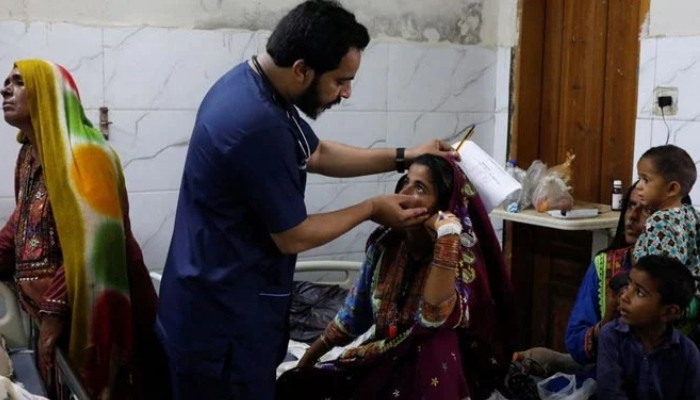
The release of the latest Global Hunger Index (GHI) has cast a sharp spotlight on Pakistan's worsening food security matrix, placing the nation as the second-worst performer in South Asia, ahead of only conflict-ridden Afghanistan. Compiled jointly by international humanitarian organizations, the GHI assesses acute hunger and chronic malnutrition using four critical metrics: undernourishment, child wasting, child stunting, and child mortality. Pakistan's composite score firmly entrenches the country in the 'serious' category of food deprivation.
Over the past three years, macroeconomic instability, fiscal austerity mandates, and climate-induced agricultural devastation have compounded the vulnerability of vulnerable households. While regional counterparts such as Sri Lanka and Nepal have exhibited resilience through post-crisis structural reforms, Pakistan continues to face elevated child stunting rates exceeding 35 percent, alongside entrenched caloric deficits in both rural pockets of Balochistan and Sindh, as well as de-industrialized urban peripheries.
Commercial & Economic Implications
For Pakistan's commercial landscape, the findings of the GHI reflect deep-seated structural issues within domestic wholesale distribution, agricultural input logistics, and consumer retail dynamics. Food inflation, which reached historic peaks over recent quarters, has eroded the real disposable income of working-class households, shifting consumption baskets strictly toward low-nutrition carbohydrate staples.
Wholesale commodity markets—spanning critical trading centers in Badami Bagh Lahore, Jodia Bazaar Karachi, and Faisalabad—are witnessing marked demand contractions for protein-rich staples, edible oils, and high-value dairy. Retailers are managing compressed profit margins as volume turnovers decline. Furthermore, supply chain inefficiencies remain glaring: post-harvest losses for perishables hover near 30 to 40 percent due to a chronic lack of farm-gate cold chain infrastructure and modern storage silos. The commercial sector is trapped between soaring logistics costs—driven by elevated fuel prices and utility tariffs—and an increasingly constrained consumer base unable to absorb passing costs.
Related Intelligence: Retail Friction Exposes Broader Global Consumer Trends and Cultural Divides
Stakeholder Perspectives & Market Reactions
Market participants and policy observers have reacted with profound concern. Agricultural economists emphasize that Pakistan's hunger crisis is predominantly an issue of economic accessibility rather than absolute national grain deficits. Traders and wholesale representatives argue that state interventions—such as intermittent price capping and disjointed procurement operations—often disincentivize private capital from entering modern warehouse development.
Industry leaders across the food processing and manufacturing sectors point out that the cost of doing business has escalated exponentially. The All Pakistan Business Forum and regional chambers of commerce have urged the government to dismantle distortionary import duties on essential agricultural inputs and machinery. Meanwhile, development practitioners note that social safety nets, including the Benazir Income Support Programme (BISP), though essential, function merely as short-term relief valves rather than structural correctives for a broken food distribution architecture.
Forward Outlook & Key Watchpoints
The medium-term trajectory of Pakistan's food security will hinge on synchronized policy enforcement between the federal and provincial authorities. Following the 18th Amendment, agriculture and food governance sit under provincial jurisdiction, demanding rigorous oversight from provincial food departments to curb hoarding and modernize market committee frameworks.
Critical watchpoints over the coming quarters include the availability and pricing of urea and DAP fertilizers ahead of key harvest cycles, the central bank's foreign exchange allocations for essential commodity imports, and the pace of public-private partnerships in climate-resilient seed technologies. Without substantial structural reforms aimed at curbing market cartels, expanding yield productivity per acre, and stabilizing the rupee, Pakistan risks entrenching a cycle of nutritional poverty that threatens long-term labor productivity and economic growth.
Join Our Official WhatsApp Channel
Receive live commodity alerts, policy changes, and commercial intelligence directly on WhatsApp.