
Pakistan Records Sixth Polio Case as Khyber Pakhtunkhwa Emerges as Epicentre
Pakistan confirms its sixth polio case of the year in Khyber Pakhtunkhwa, prompting emergency vaccination responses and heightening national health security concerns.
The Core Development
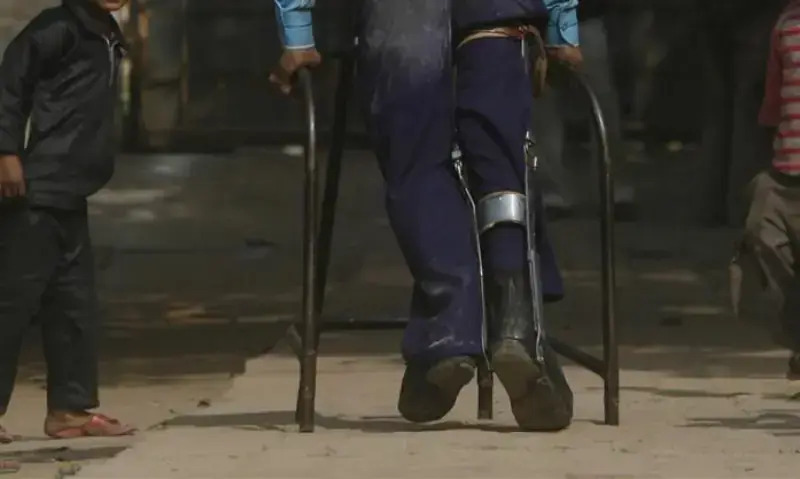
The National Emergency Operations Centre for Polio Eradication (NEOC) has officially confirmed Pakistan's sixth polio case of the current year, marking a concerning setback in the nation's protracted campaign to eradicate the wild poliovirus. The latest infection was detected in the Khyber district of Khyber Pakhtunkhwa (KP) province, highlighting an intensifying viral concentration in the region's rugged terrain. According to the official NEOC statement, the affected individual is a seven-year-old boy hailing from Union Council Ghundi-A within the Jamrud tehsil of Khyber.
Geographical distribution data reveals an alarming trend: five of the six national cases recorded this year originate from Khyber Pakhtunkhwa. Within this provincial cluster, four cases are specifically localized in the Bannu division, transforming the southern districts of KP into the primary transmission corridors for the virus. In response to the detection, the Pakistan Polio Eradication Initiative launched an immediate, multi-layered case investigation to trace infection pathways and determine potential community exposure vectors.
Commercial & Economic Implications
While public health emergencies primarily register as humanitarian concerns, the resurgence of polio carries profound macroeconomic and commercial repercussions for Pakistan. International trade, bilateral relations, and workforce mobility are inextricably linked to public health certifications. Persistent transmission risks strict travel advisories and mandatory vaccination certificates for international travelers departing Pakistan, creating administrative friction for business executives, trade delegations, and logistics personnel.
Furthermore, localized health mandates and emergency vaccination campaigns absorb substantial administrative bandwidth and fiscal resources that could otherwise be allocated toward commercial infrastructure or retail market stimulus. Consumer confidence in vulnerable districts can also experience localized dampening as families prioritize emergency healthcare expenditures over discretionary retail spending. Supply chain continuity for essential wholesale goods and agricultural commodities can face intermittent disruptions during intensive, district-wide lockdown and immunization drives.
Stakeholder Perspectives & Market Reactions
Public health bodies, federal administrators, and regional trade associations have expressed acute concern over the persistent transmission clusters in Khyber Pakhtunkhwa. In the wake of the Jamrud case, federal health authorities are coordinating closely with provincial departments to recalibrate containment strategies. The Pakistan Polio Eradication Initiative announced that supplementary response measures are already being finalized to fortify immunity barriers among older children and vulnerable cohorts.
These enhanced measures include targeted vaccination campaigns deploying both traditional oral polio vaccines (OPV) and inactivated polio vaccines (IPV) to provide robust, dual-protection systems. Concurrently, public health officials are working to reinforce routine immunization structures at the union council level to bridge immunity gaps. Industry and trade bodies have reiterated their support for national health security initiatives, recognizing that a polio-free certification is vital for maintaining unimpeded commercial access to global markets.
Forward Outlook & Key Watchpoints
The trajectory of Pakistan's polio eradication efforts over the coming quarters will depend heavily on the efficacy of the newly deployed containment protocols in Khyber Pakhtunkhwa. Key watchpoints include the execution speed of the upcoming synchronized immunization drives across high-risk districts in the Bannu and Khyber divisions.
Policy enforcement mechanisms will be scrutinized to ensure high coverage rates among mobile and nomadic populations, who frequently cross administrative boundaries. As federal and provincial stakeholders scale up injectable and oral vaccination protocols, international monitoring agencies will evaluate whether these interventions successfully sever transmission chains. Sustained political will, unhindered access for vaccinators, and community-level engagement will remain the definitive arbiters of Pakistan's progress toward achieving an endemic-free status.
Join Our Official WhatsApp Channel
Receive live commodity alerts, policy changes, and commercial intelligence directly on WhatsApp.