
Pakistan Reaffirms Strategic Alliance with Saudi Arabia Amid Regional Shifts
Pakistan has reaffirmed its enduring strategic and economic alliance with Saudi Arabia, emphasizing mutual commitments to regional security, bilateral trade expansion, and energy cooperation amidst evolving geopolitical dynamics.
The Core Development
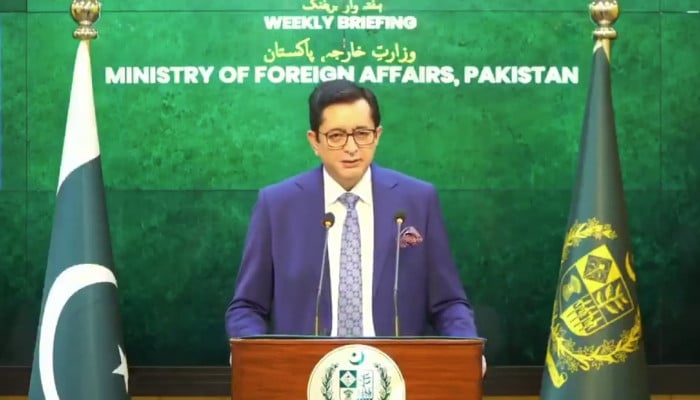
In a decisive diplomatic reaffirmation, Pakistan has reiterated its absolute support for the Kingdom of Saudi Arabia, emphasizing shared strategic objectives, regional stability, and mutual defense frameworks. The high-level dialogue, echoing official briefings from prominent news desks including Geo News, underscores the enduring nature of bilateral ties between Islamabad and Riyadh. Key government actors and defense officials from both nations have engaged in extensive consultations to reinforce cooperative mechanisms, addressing both traditional security paradigms and contemporary geopolitical challenges across the Middle East and South Asia.
The discussions traversed multiple domains of statecraft, focusing heavily on joint counter-terrorism efforts, intelligence sharing, and maritime security in the Arabian Sea and the broader Gulf region. By cementing these security architectures, both nations aim to insulate vital trade corridors from escalating regional volatilities. The timeline of this reaffirmation coincides with critical economic restructuring in Pakistan, where external financial stabilization remains intrinsically linked to strategic partnerships with Gulf Cooperation Council (GCC) member states.
Commercial & Economic Implications
While framed primarily within a diplomatic and security context, the alliance carries profound commercial and economic ramifications for Pakistan's domestic markets, wholesale distribution networks, and retail trade. Saudi Arabia remains a cornerstone of Pakistan’s external energy supply, providing essential petroleum products on deferred payment facilities that significantly alleviate pressure on Islamabad’s foreign exchange reserves.
For Pakistan's domestic economy, stable and discounted energy imports translate directly into mitigated production costs for industrial manufacturing and reduced overheads for commercial supply chains. This macroeconomic stabilization helps curb runaway inflation, directly impacting consumer pricing for everyday commodities, transport, and manufactured goods. Furthermore, the continuous influx of worker remittances from the millions of Pakistani expatriates residing in the Kingdom provides crucial liquidity to domestic retail markets, sustaining household consumption patterns across Punjab, Sindh, Khyber Pakhtunkhwa, and Balochistan. Any fortification of this alliance directly safeguards these remittance inflows, bolstering consumer purchasing power.
Related Intelligence: Khyber Pakhtunkhwa Chief Minister Signals Extended PTI Protest March Beyond Swabi
Stakeholder Perspectives & Market Reactions
Business councils, trader associations, and industrial bodies across Pakistan have welcomed the diplomatic continuity, viewing strong ties with Riyadh as a vital anchor for investor confidence. Representatives from major chambers of commerce note that strategic alignment with Saudi Arabia paves the way for accelerated foreign direct investment (FDI), particularly in upcoming privatization initiatives, mineral exploration projects under the Special Investment Facilitation Council (SIFC), and agricultural modernization ventures.
Legal and financial analysts emphasize that robust state-to-state relations provide a predictable regulatory and economic environment, encouraging Saudi conglomerates to explore joint ventures in Pakistan's energy, petrochemical, and retail sectors. Official statements from both governments reiterate a shared resolve to transition traditional financial assistance into sustainable, trade-led economic partnerships, moving from aid to mutually beneficial commercial enterprise.
Forward Outlook & Key Watchpoints
Looking ahead, the primary focus will shift toward the implementation of pending bilateral investment agreements and joint venture protocols. Key watchpoints for financial markets and policy analysts include the finalization of major Saudi investments in Pakistan's refining and mining sectors, the performance of bilateral trade volumes, and the continuous flow of worker remittances.
Policy enforcement mechanisms will be closely monitored to ensure that bureaucratic bottlenecks do not delay institutional commitments made during recent high-level exchanges. As both nations navigate an increasingly complex global economic landscape, the success of this enhanced partnership will be measured by its ability to generate measurable employment growth, stabilize domestic energy tariffs, and foster long-term macroeconomic resilience in Pakistan.
Join Our Official WhatsApp Channel
Receive live commodity alerts, policy changes, and commercial intelligence directly on WhatsApp.