
Khyber Pakhtunkhwa Chief Minister Signals Extended PTI Protest March Beyond Swabi
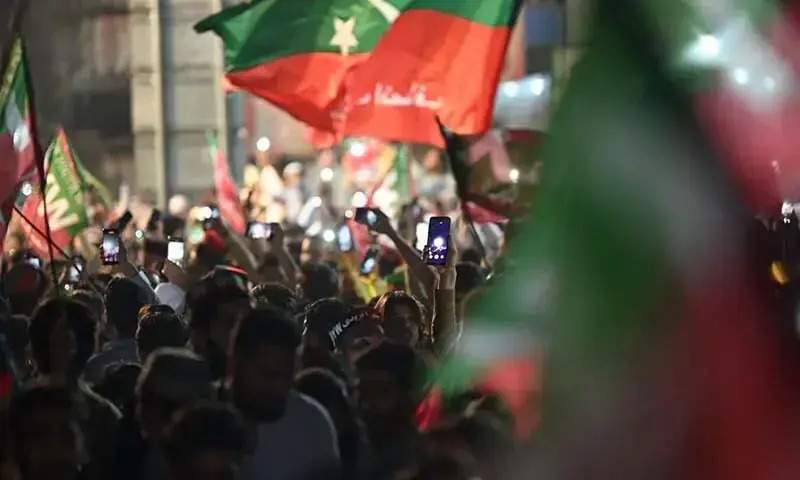
Khyber Pakhtunkhwa Chief Minister Sohail Afridi leads an extended PTI protest march toward Charsadda, signaling further movements beyond Swabi as economic disruptions mount.
The Core Development
The political landscape of Pakistan remains highly volatile as the Pakistan Tehreek-e-Insaf (PTI) protest march enters its critical sixth day. Khyber Pakhtunkhwa Chief Minister Sohail Afridi is personally leading a large contingent of demonstrators from Peshawar toward Charsadda, intensifying pressure on the federal administration to secure the release of jailed PTI founder Imran Khan. Initiated on October 4, the march has witnessed numerous strategic and tactical adjustments. While initial declarations pointed toward a direct push into Islamabad, the operational roadmap has remained fluid and heavily contingent on state security responses. Addressing supporters en route to Charsadda, CM Afridi offered a cryptic yet resolute directive, assuring participants that the movement's trajectory extends far beyond the previously announced Swabi stopover on October 11, signaling a protracted confrontation.
Commercial & Economic Implications
The prolonged political agitation and shifting march routes are inflicting severe friction on commercial activities across Khyber Pakhtunkhwa and major trade arteries connecting to Punjab. Wholesale distribution networks, retail trade corridors, and inter-provincial transport have experienced intermittent shutdowns and severe bottlenecks. Commercial hubs in Peshawar, Charsadda, and surrounding commercial districts report a sharp decline in daily retail turnover. Logistics operators face escalating freight costs and severe delivery delays due to containerized road blockades and heightened security vetting. These supply chain disruptions risk stoking localized inflationary pressures, restricting perishable goods transit, and compounding operational losses for small and medium enterprises already grappling with high utility tariffs and compressed consumer demand.
Related Intelligence: West Bank Violence Threatens Regional Stability and Agricultural Supply Chains
Stakeholder Perspectives & Market Reactions
Commercial chambers, wholesale market associations, and industrial bodies have expressed deep dismay over the sustained political instability. Representatives from major trade federations noted that persistent demonstrations directly undermine investor confidence and stifle mercantile recovery. Business leaders have issued joint appeals urging both the provincial administration and federal stakeholders to prioritize economic continuity and dialogue over street mobilization. Legal experts have also weighed in, questioning the administrative legality of state resources being utilized for prolonged political processions while commercial rights to free movement and trade remain severely curtailed under emergency security protocols.
Forward Outlook & Key Watchpoints
As the protest march navigates past Charsadda toward its tentative milestones beyond Swabi, financial markets and business councils are closely monitoring several critical indicators. Key watchpoints include the federal government's security response, potential emergency traffic restrictions along the Grand Trunk Road, and the exact dates announced for the post-October 11 phase. Economists warn that if the agitation transitions into indefinite sit-ins or broad urban shutdowns, national supply chains could face severe rationing, prompting downward revisions in regional growth forecasts and compounding fiscal strains for commercial enterprises operating in the northwest.
Join Our Official WhatsApp Channel
Receive live commodity alerts, policy changes, and commercial intelligence directly on WhatsApp.