
Germany Faces Political Instability Under Merz as European Markets Tremor
Political turmoil surrounding Friedrich Merz's leadership challenges Germany's historic stability, sending ripples through European financial markets and international trade channels.
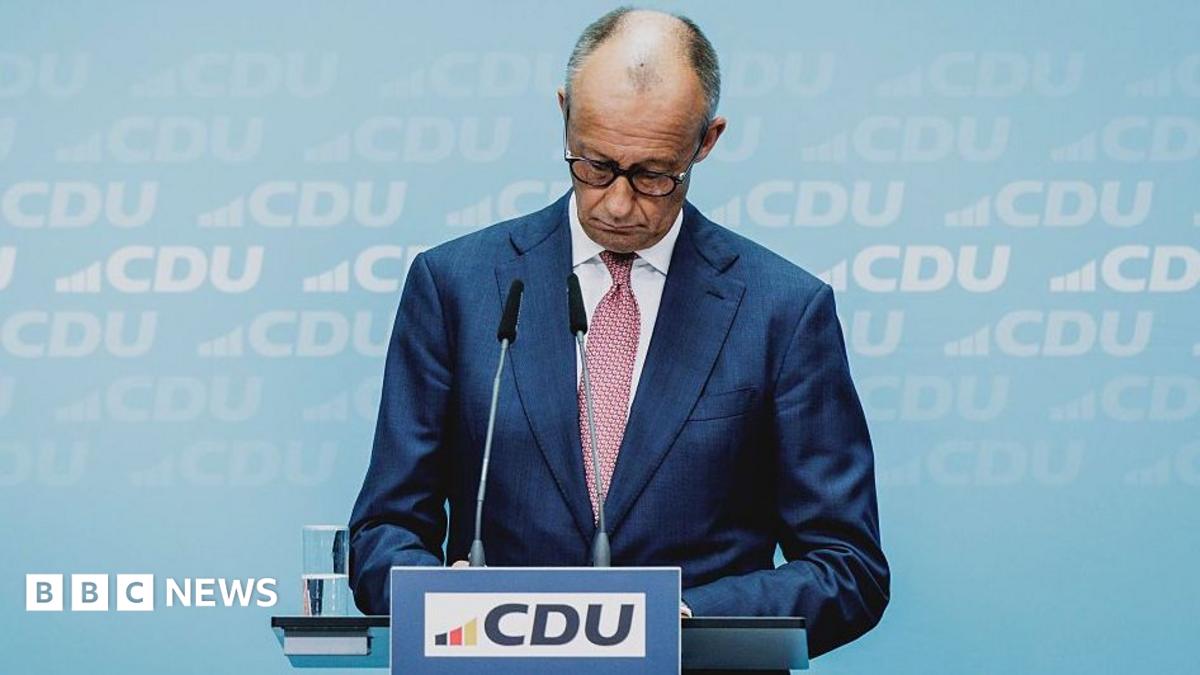
Geopolitical & Core Developments
Germany, long considered the bedrock of political stability and institutional predictability in Europe, is currently navigating an unprecedented governance crisis. Under the shadow of shifting political dynamics and the leadership pressures facing Friedrich Merz, Berlin is experiencing a period of intense institutional friction. For decades, the Federal Republic relied on grand coalitions and steady, consensus-driven policymaking to steer through continental crises. However, recent electoral shifts and parliamentary friction have fractured this consensus. State actors across the European Union are watching closely as internal policy paralysis hampers Berlin's ability to execute swift executive decisions. The core of the crisis lies in competing visions for fiscal reform, industrial transition, and national security, creating a domestic stalemate that risks sidelining Germany from pivotal European diplomacy at a time when unified continental leadership is urgently required.
[Global Trade](/news/us-china-summit-strategic-impact-global-trade) & Economic Ripples
The political turbulence in Berlin carries immediate and severe consequences for global commodity markets, supply chains, and cross-border commerce. As Europe's largest economy, Germany functions as the primary industrial engine of the eurozone. Any prolonged domestic uncertainty directly undermines investor confidence, sparking volatility in the euro and tightening financial conditions across the continent. Energy-intensive sectors, already reeling from previous supply shocks, face renewed anxiety regarding regulatory continuity and state subsidies for green industrial transitions. Furthermore, disruptions in German manufacturing output threaten to bottleneck intricate supply chains stretching from Central European component manufacturers to major maritime shipping lanes. Commodity traders dealing in industrial metals, chemicals, and energy futures are recalibrating their risk models to account for potential delays in crucial infrastructure and trade legislation emanating from the Bundestag.
Related Intelligence: Gaza Ceasefire Collapse Threatens Middle East Trade and Energy Stability
International Reactions & Diplomatic Stances
Global capitals and multilateral institutions have responded to Germany's political friction with a mixture of discretion and deep-seated apprehension. Officials within the European Commission in Brussels have privately voiced concerns that a politically constrained Berlin will slow down critical pan-European integration initiatives and impede collective responses to ongoing geopolitical flashpoints. Financial analysts and macroeconomic strategists from major Wall Street institutions have adjusted their outlooks for European growth, citing the paralysis of German fiscal policy as a primary downside risk. Meanwhile, international trade partners, ranging from Washington to Tokyo, are closely monitoring whether the domestic strife will result in inward-looking policies, potentially stalling multilateral trade agreements and weakening Europe's collective economic leverage on the global stage.
Strategic Outlook & Future Scenarios
Looking ahead, the trajectory of Germany's political crisis will likely dictate the broader economic and geopolitical health of the European Union through the upcoming fiscal quarters. Upcoming legislative sessions and regional elections will serve as critical barometers for Merz's political survival and the stability of the current governing apparatus. Should the crisis deepen, markets could witness heightened bond yield spreads between Germany and peripheral eurozone economies, reviving historical debt sustainability debates. Conversely, a decisive resolution—whether through structural policy compromises or a realignment of parliamentary support—could restore investor sentiment. However, until a clear governance roadmap is established, global commodity markets and international diplomats must prepare for a prolonged period of German introspection, with far-reaching implications for global trade stability.
Join Our Official WhatsApp Channel
Receive live commodity alerts, policy changes, and commercial intelligence directly on WhatsApp.