
Pakistan and Oman Convene Joint Ministerial Commission to Expand Bilateral Trade
Omani Foreign Minister Sayyid Badr Albusaidi has commenced an official diplomatic mission to Islamabad, co-chairing high-stakes Joint Ministerial Commission talks to accelerate bilateral trade and maritime investment.
The Core Development
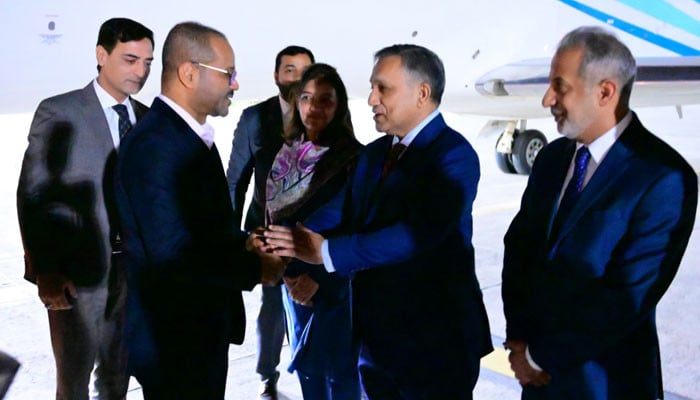
Oman's Foreign Minister, Sayyid Badr bin Hamad Albusaidi, has arrived in Islamabad for an official diplomatic visit aimed at presiding over the Pakistan-Oman Joint Ministerial Commission (JMC). Co-chaired alongside Pakistan's Deputy Prime Minister and Foreign Minister Ishaq Dar, the bilateral session marks a strategic push to formalize high-level economic, energy, and commercial frameworks between Muscat and Islamabad.
The diplomatic engagement follows months of preliminary discussions between trade envoys and joint technical working groups. Key agenda items include the removal of non-tariff barriers, institutionalized investment protection, and the expansion of maritime shipping links connecting the Port of Salalah and Duqm with Pakistan's Karachi and Gwadar ports. Both delegations are reviewing multiple bilateral agreements designed to deepen institutional cooperation across industrial manufacturing, aviation, and financial services.
Commercial & Economic Implications
For Pakistan's wholesale distribution networks and domestic retail markets, closer commercial integration with Oman offers immediate supply chain efficiencies. Oman serves as a vital maritime transshipment hub in the Arabian Sea, and formalized maritime transit corridors can substantially reduce shipping times and freight costs for Pakistani agricultural commodities, textiles, and light engineering exports.
From an import perspective, enhanced energy cooperation could provide Pakistan with stable sourcing avenues for petrochemicals, plastics, and refined fuels, mitigating volatile spot-market premiums. Wholesale traders in major commercial centers such as Lahore and Karachi anticipate that streamlined customs procedures and reciprocal trade terms will lower landing costs on Omani industrial inputs, easing inflationary pressures on domestic packaging and retail supply chains.
Related Intelligence: Prime Minister Consults Coalition Allies Following Imposition of KP Governor Rule
Stakeholder Perspectives & Market Reactions
The Federation of Pakistan Chambers of Commerce and Industry (FPCCI) and regional merchant associations have welcomed the bilateral talks, emphasizing that Pakistan's geographic proximity to the Gulf Cooperation Council (GCC) member states remains structurally underutilized. Business leaders have urged the joint commission to establish direct business-to-business linkages and streamline business visa issuances to facilitate continuous commercial exchange.
Financial analysts and logistics operators have pointed to the strategic alignment between the Pak-Oman Joint Investment Company and upcoming sovereign capital initiatives. Legal and trade specialists note that institutional stability, currency settlement mechanisms, and transparent dispute-resolution frameworks will be decisive in converting diplomatic memorandums into active private-sector capital inflows.
Forward Outlook & Key Watchpoints
The immediate focus shifts to the formal communiques and sectoral memorandums of understanding expected at the conclusion of the JMC sessions. Market observers will scrutinize specific timelines established for preferential tariff negotiations and prospective investments into Pakistan's Special Economic Zones.
Key watchpoints over the coming quarters include the operationalization of direct maritime container routes and regulatory clearances for joint corporate ventures. Sustained high-level diplomatic momentum will determine whether these bilateral mechanisms translate into measurable improvements in trade volumes, providing tangible liquidity and supply chain diversification for Pakistani businesses.
Join Our Official WhatsApp Channel
Receive live commodity alerts, policy changes, and commercial intelligence directly on WhatsApp.