
China Purges Top Generals in Sweeping Military Anti-Corruption Drive
Beijing has expelled two former defense ministers from the Communist Party amid an escalating military anti-corruption crackdown, raising questions about political stability and defense procurement.
Geopolitical & Core Developments
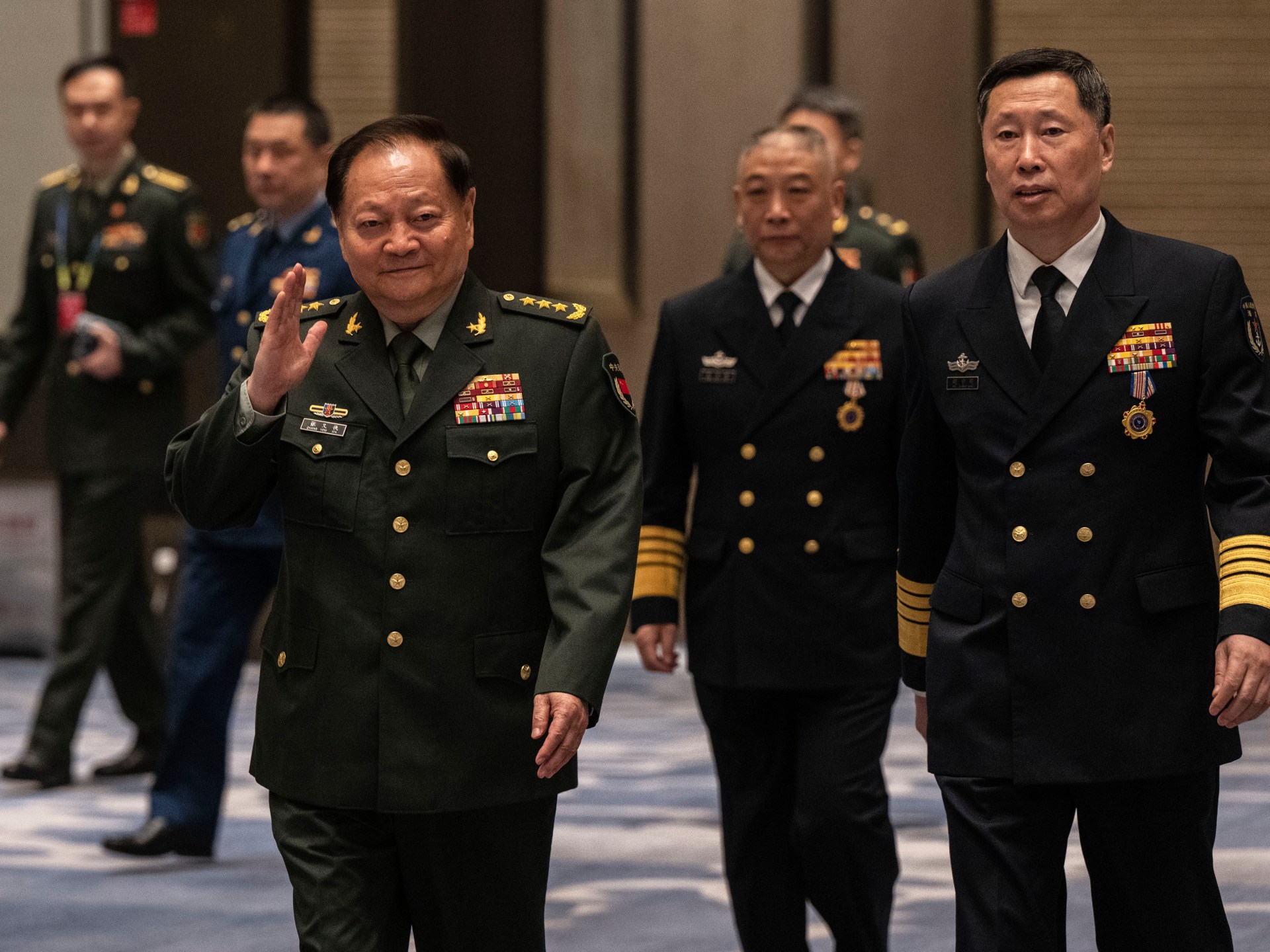
In a dramatic escalation of an ongoing anti-corruption campaign within the highest echelons of the Chinese state, Beijing has officially expelled former defense ministers Li Shangfu and Wei Fenghe from the ruling Communist Party. The unprecedented move, announced through state media following a meeting of the Politburo, underscores President Xi Jinping's relentless pursuit of absolute ideological and operational loyalty within the People's Liberation Army (PLA). Both generals have been stripped of their military ranks and accused of serious breaches of party discipline, bribery, and severe disloyalty to the central leadership.
Li Shangfu, who abruptly vanished from public view last year before being removed from his ministerial post, and his predecessor Wei Fenghe, represent the highest-ranking military casualties of the sweeping anti-graft drive. Investigators alleged that both officials abused their positions to secure illicit financial gains for themselves and others, while fundamentally undermining the political foundation of the military. This internal purge highlights structural vulnerabilities within China's defense apparatus, particularly concerning the oversight of massive capital outlays dedicated to military modernization and advanced hardware acquisition. The timeline of their downfalls points to deep-seated systemic corruption within the Equipment Development Department, an arm critical to China's rapid naval and aerospace expansion.
Global Trade & Economic Ripples
While the purge is ostensibly an internal political and security matter, its ripples extend deeply into global trade, defense economics, and international commodity markets. China's ambitious military modernization program consumes vast quantities of strategic raw materials, including rare earth elements, advanced aerospace alloys, precision electronics, and specialized energy products. Prolonged instability and leadership turnover within the procurement sector create administrative bottlenecks, potentially delaying major infrastructure and state-backed defense supply contracts.
Furthermore, heightened regulatory scrutiny and the removal of key defense figures introduce compliance uncertainties for international industrial conglomerates and dual-use technology suppliers. Global shipping lanes and maritime security in the Indo-Pacific—vital arteries for international commerce—remain closely watched by maritime insurers and commodity traders who assess geopolitical risk premiums. Any perception of internal friction or distraction within Beijing's top military command structure inevitably influences investor sentiment across Asian equities, foreign exchange markets, and strategic energy futures, as sovereign risk recalibrates in response to the leadership shakeup.
Related Intelligence: Pakistan and Iran Forge Security Pact to Boost Regional Trade
International Reactions & Diplomatic Stances
International capitals and multilateral observers have reacted with measured analysis, recognizing the purge as both a consolidation of absolute political authority by President Xi and a potential indicator of institutional friction. Western defense intelligence agencies are closely evaluating how the removal of seasoned military commanders might impact operational readiness, strategic deterrence, and communication channels between Washington and Beijing. Analysts at major financial institutions and geopolitical risk consultancies note that while the crackdown demonstrates a zero-tolerance policy toward graft, it simultaneously exposes the persistent challenges of rooting out corruption in heavily opaque state-directed sectors.
Diplomatic counterparts across the Indo-Pacific region, including Japan, India, and ASEAN member states, are monitoring the developments for any shifts in Beijing's external posture. While official statements from foreign ministries remain cautious, economic strategists emphasize that predictability in China's governance remains a cornerstone for regional trade stability. The ongoing consolidation of power reduces factional ambiguity within the Communist Party but raises questions regarding long-term institutional resilience.
Strategic Outlook & Future Scenarios
As Beijing prepares for upcoming legislative plenums and high-level diplomatic engagements, the fallout from the generals' expulsion will likely shape China's domestic and foreign policy trajectory. The immediate priority for the Central Military Commission is to install fully vetted leadership capable of steering the PLA toward its centenary modernization goals without internal distraction. However, the aggressive nature of the purge may induce caution among lower-ranking commanders, potentially dampening operational initiative and administrative agility.
Looking ahead, global markets must factor in a more tightly centralized, security-focused Chinese state where ideological compliance supersedes commercial or technical expediency. Upcoming bilateral summits and trade negotiations will test whether Beijing's internal security focus alters its diplomatic pragmatism, making risk management paramount for international corporations operating within the Chinese ecosystem.
Join Our Official WhatsApp Channel
Receive live commodity alerts, policy changes, and commercial intelligence directly on WhatsApp.