
Pakistan Fuel Subsidies Spark Inflation and Economic Policy Debate
Pakistan's recent implementation of government-backed fuel subsidies provides relief to millions, yet ignites critical debate among economists regarding fiscal sustainability and the exclusion of the most vulnerable populations.
Geopolitical & Core Developments
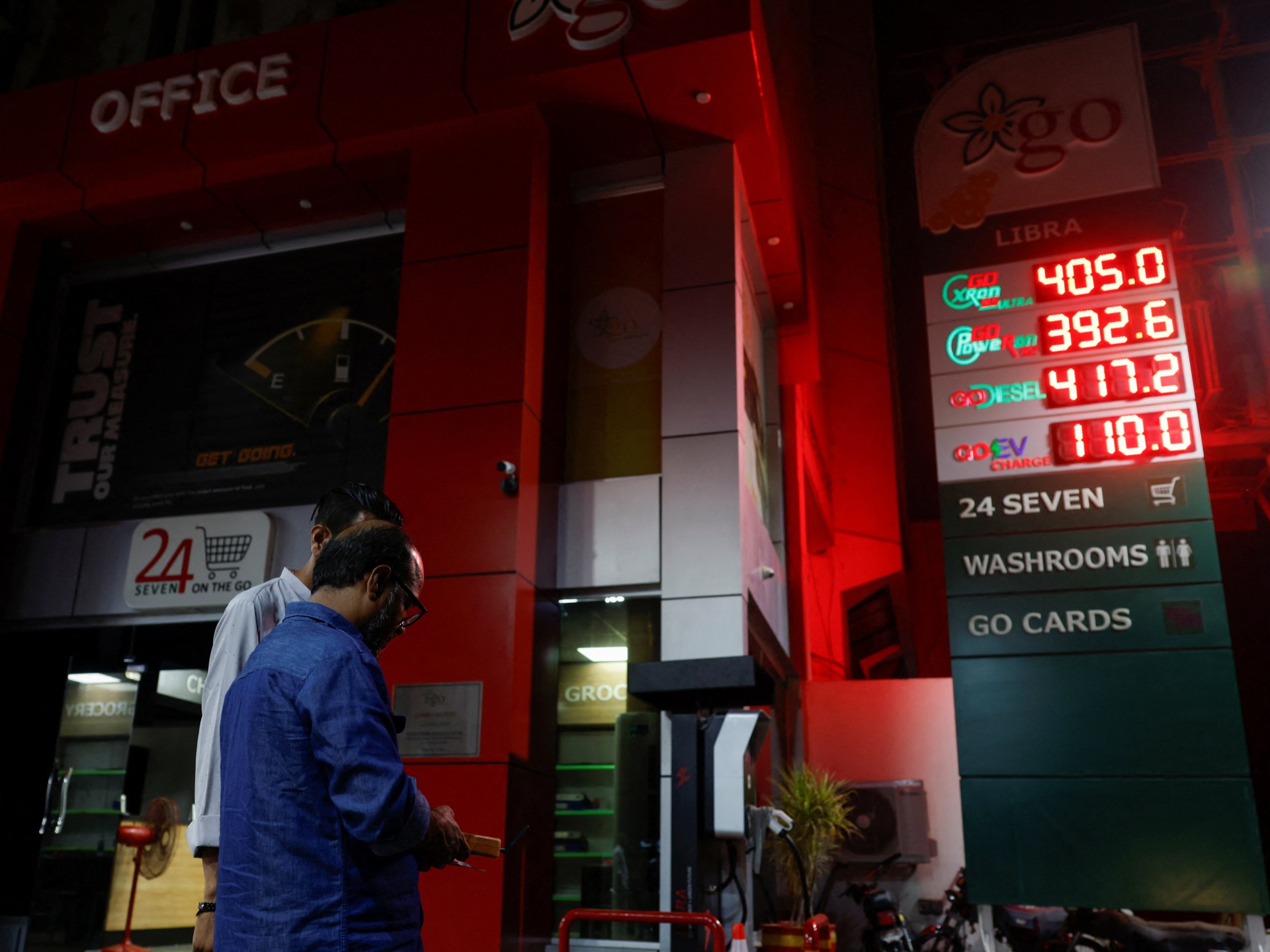
The implementation of government-backed fuel subsidies in Pakistan represents a critical intersection of domestic political survival and intense macroeconomic pressure. As global energy markets experience persistent volatility driven by ongoing geopolitical conflicts in Eastern Europe and the Middle East, Islamabad has sought to insulate its populace from soaring petroleum costs. However, the architecture of the relief program has laid bare deep structural inequities within the state's welfare distribution apparatus. While millions of vehicle owners and commuters have experienced immediate financial relief at the pump, structural flaws in identification mechanisms have inadvertently bypassed informal workers, rural laborers, and those lacking formal documentation.
State actors and domestic policymakers find themselves trapped in a complex policy dilemma. On one hand, failing to provide energy relief risks immediate social unrest, inflation-driven protests, and political instability in a nuclear-armed state of over 240 million people. On the other hand, maintaining artificial price controls strains an already depleted national treasury. The geopolitical stakes extend beyond national borders, as foreign lenders and strategic allies closely monitor Islamabad's fiscal discipline. The administration's ability to balance populist relief measures with strict fiscal governance remains a central test of state capacity amid regional economic contagion.
Global Trade & Economic Ripples
The Pakistani subsidy scheme does not exist in a vacuum; it resonates across global commodity markets and international trade networks. As a net importer of refined petroleum products and liquefied natural gas, Pakistan's domestic pricing policies directly influence regional trade flows and international shipping economics. When the state intervenes to artificially suppress domestic fuel prices, it distorts natural demand signals, potentially encouraging higher consumption at a time when global energy supplies remain tightly constricted.
Furthermore, the financing of these subsidies has profound implications for global trade finance and sovereign debt sustainability. To fund domestic relief without catastrophic currency devaluation, the government must continually manage its foreign exchange reserves, which are heavily reliant on bilateral loans, remittances, and multilateral credit lines. Any misstep in fiscal management ripples through international supply chains, affecting import capacities for essential industrial raw materials, agricultural inputs, and manufactured goods. Commodity traders monitoring South Asian markets view these subsidies as a high-risk variable that could precipitate sudden shifts in regional import demand and letters of credit issuance.
Related Intelligence: Saudi Arabia Claims Arabian Gulf Cup Triumph Amid Regional Shifts
International Reactions & Diplomatic Stances
International financial institutions and multilateral bodies have expressed cautious skepticism regarding Islamabad's fiscal maneuvers. Representatives from the International Monetary Fund have repeatedly emphasized the necessity of targeted welfare mechanisms that do not distort macroeconomic stability or breach pre-agreed structural adjustment benchmarks. While acknowledging the severe humanitarian impact of high global energy prices on developing nations, international economists argue that untargeted fuel subsidies disproportionately benefit higher-income vehicle owners rather than the destitute populations most vulnerable to food and energy poverty.
Global market analysts and credit rating agencies have echoed these concerns, noting that fiscal slippages could jeopardize ongoing bailout disbursements and stall critical debt restructuring negotiations. Bilateral partners, including Gulf Cooperation Council states and traditional lending nations, are increasingly conditioning their financial assistance upon demonstrable structural reforms, including the elimination of regressive energy subsidies in favor of direct, cash-transfer safety nets. Consequently, Pakistani diplomats face mounting pressure to reconcile domestic political imperatives with the stringent demands of the international financial community.
Strategic Outlook & Future Scenarios
Looking ahead, the trajectory of Pakistan's energy policy will serve as a bellwether for emerging market economies grappling with imported inflation. As upcoming economic reviews approach, Islamabad will likely face difficult ultimatums from multilateral lenders, forcing a potential recalibration or phasing out of broad-based fuel reliefs. Should the government succumb to domestic pressure and expand subsidies without adequate revenue offsets, the risk of a severe balance-of-payments crisis will escalate significantly, potentially triggering currency depreciation and renewed inflationary spikes.
Conversely, a rapid dismantling of energy price supports without robust compensatory mechanisms could ignite widespread social friction, challenging internal security and shifting geopolitical alignments in South Asia. International observers will monitor upcoming fiscal budget presentations, sovereign debt auctions, and central bank monetary policy committees for definitive signals regarding the state's long-term economic resilience. The ultimate resolution of this crisis will redefine the limits of populist economic intervention in an era of chronic global commodity insecurity.
Join Our Official WhatsApp Channel
Receive live commodity alerts, policy changes, and commercial intelligence directly on WhatsApp.