
Pakistan Faces Economic Paralysis as Political Showdown Threatens Markets
Escalating political friction between the government and PTI over the October 4 long march threatens commercial stability and economic recovery across Pakistan.
The Core Development
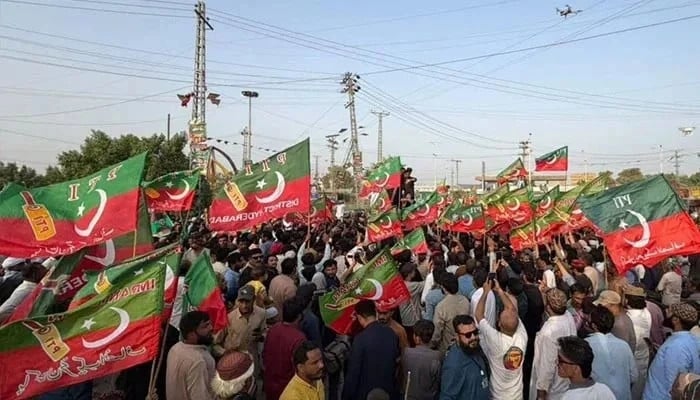
Tensions between the federal government and the Pakistan Tehreek-e-Insaf (PTI) have reached a critical juncture, centering on the opposition's announced plans for a nationwide long march on October 4. The impending political confrontation has heightened fears of civil unrest, administrative clampdowns, and emergency measures across major urban centers, particularly in Punjab and the federal capital, Islamabad. Key political figures from both sides have engaged in fierce rhetorical exchanges, trading blame over the potential disruption to public order and the rule of law. Law enforcement agencies have already begun preparations for enhanced security protocols, raising the specter of containerized roadblocks, mass detentions, and the suspension of mobile telecommunication services in sensitive districts. These developments echo previous political standoffs that paralyzed administrative machinery and severely curtailed movement along critical national trade corridors, including the vital M-2 motorway and GT Road arteries.
Commercial & Economic Implications
The looming threat of prolonged street agitation carries severe implications for Pakistan's fragile economic recovery, particularly the domestic retail and wholesale sectors. Commercial hubs in Lahore, Rawalpindi, and Karachi anticipate significant downturns in daily turnover as jittery consumers limit movement and businesses shutter operations preemptively to avoid property damage. Wholesale distribution networks, heavily reliant on uninterrupted transit between upcountry agricultural centers and major urban markets, face immediate logistical bottlenecks. Transport operators report surging fuel costs and delivery delays, pressures that inevitably trickle down to retail prices, exacerbating food inflation and eroding consumer purchasing power. Furthermore, foreign investors evaluating Pakistan's macroeconomic stabilization program under the International Monetary Fund (IMF) closely monitor these political shockwaves, as sustained instability undermines fiscal predictability and delays critical foreign direct investment.
Related Intelligence: Flydubai Cockpit Incident Triggers Aviation and Regional Security Concerns
Stakeholder Perspectives & Market Reactions
Business councils, chambers of commerce, and prominent trade associations have voiced profound alarm over the escalating confrontation, issuing joint appeals for immediate political dialogue. Representatives from the Federation of Pakistan Chambers of Commerce and Industry (FPCCI) and regional merchant bodies stressed that the national economy cannot absorb further commercial paralysis following months of high energy tariffs and stringent taxation policies. Legal experts have also weighed in, cautioning that invocation of emergency powers or excessive curtailment of constitutional rights could trigger prolonged judicial challenges and deepen institutional friction. Meanwhile, government spokespersons maintain that the state is obligated to maintain public order and protect critical infrastructure, while PTI leadership insists that peaceful protest remains a fundamental democratic right that will not be suppressed by administrative intimidation.
Forward Outlook & Key Watchpoints
As the October 4 deadline approaches, financial markets and corporate leadership remain on high alert for emergency containment measures, potential curfew implementations, or sudden legislative interventions by the federal administration. Key indicators to watch include interbank exchange rate stability, Karachi Stock Exchange (KSE) volume fluctuations, and emergency directives issued by provincial home departments regarding public assemblies. Analysts emphasize that a negotiated compromise or de-escalation between the state and the opposition is imperative to prevent severe economic contraction and safeguard ongoing stabilization milestones achieved under multilateral financial agreements.
Join Our Official WhatsApp Channel
Receive live commodity alerts, policy changes, and commercial intelligence directly on WhatsApp.