
Pakistan Denounces Houthi Strikes on Saudi Arabia Amid Oman Bilateral Talks
Pakistan has condemned recurring Houthi aggression against Saudi Arabia during high-level diplomatic talks with Oman, signaling firm security alignment alongside bilateral trade initiatives.
The Core Development
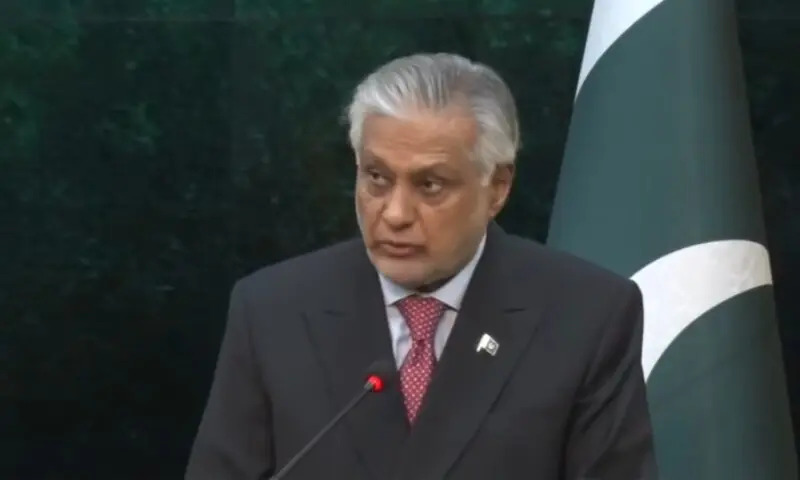
In a clear reaffirmation of Pakistan's diplomatic and security alignment in the Middle East, Deputy Prime Minister and Foreign Minister Ishaq Dar stated on Wednesday that cross-border Houthi attacks targeting the Kingdom of Saudi Arabia are totally unacceptable. The declaration came during a joint press briefing following the conclusion of the 8th session of the Pakistan-Oman Joint Ministerial Commission (JMC) in Islamabad. Dar addressed reporters alongside Oman's Foreign Minister Sayyid Badr Albusaidi, who was in the federal capital on an official state visit.
During the engagement, the two nations formalized their commitments by signing a comprehensive bilateral protocol aimed at deepening commercial, economic, and maritime defense collaboration. Dar outlined that both states have reached agreements on reciprocal visa waivers for diplomatic and official passport holders, serving as an administrative precursor to streamlined investment frameworks. The high-level meeting underscored Islamabad's intent to reinforce strategic partnerships across the Gulf Cooperation Council (GCC) while addressing regional instability that threatens maritime trade and territorial integrity.
Commercial & Economic Implications
For Pakistan's commercial landscape, Dar's firm defense of Saudi sovereignty carries measurable economic significance. Saudi Arabia remains a primary financier of balance-of-payments support, oil facilities, and external debt management for Islamabad. The security of the Arabian Peninsula directly affects crude oil transit and the stability of broader energy pricing across domestic markets. Any systemic escalation by Houthi forces threatens crude and refined petroleum shipments through critical maritime corridors, raising landed costs for Pakistani refineries.
Domestically, freight rates across the Arabian Sea and Red Sea routes have already experienced sharp surges due to regional conflict. For wholesale distributors, industrial importers, and retail trade associations across Pakistan, sustained maritime turbulence translates into cost-push inflation. Raw materials, commercial equipment, and specialized inputs sourced through the Middle East are incurring higher insurance premiums and extended turnaround times. Furthermore, bilateral mechanisms advanced with Oman during the JMC are critical for diversifying logistical hubs outside high-risk zones, giving Pakistani exporters an essential transit conduit via Muscat and Salalah.
Related Intelligence: Pakistan and Oman Strengthen Strategic Ties as Bilateral Trade Expands
Stakeholder Perspectives & Market Reactions
Market participants and diplomatic analysts view the government's dual-track approach—strengthening Gulf security diplomacy while signing administrative trade pacts—as a strategic necessity. Business councils within the Federation of Pakistan Chambers of Commerce and Industry (FPCCI) have voiced support for accelerated GCC engagement, particularly as the Pakistan-GCC Free Trade Agreement (FTA) moves toward final ratification. Trade leaders argue that stability in Saudi Arabia and Oman is vital to safeguarding remittances, which represent over twenty-five billion dollars annually, alongside vital foreign direct investment pledges.
Defense and foreign policy analysts note that Islamabad's unequivocal stance against Houthi maneuvers reassures Gulf partners of Pakistan's security guarantees. In contrast, transport syndicates and freight forwarders maintain vigilance over shipping routes. Market actors caution that maritime security in the regional seas will dictate import pricing for energy, edible oils, and essential industrial chemicals across the wholesale supply chain throughout the coming fiscal quarters.
Forward Outlook & Key Watchpoints
The immediate watchpoint will be the operationalization of the agreements signed under the 8th Pakistan-Oman JMC protocol, particularly regarding direct sea-lane integration between Gwadar, Karachi, and Omani ports. Industrial stakeholders will monitor whether Oman can act as a stabilized logistics buffer if regional sea disruptions persist.
Concurrently, market observers will assess geopolitical developments within the GCC and Yemen conflict theater. An escalation in drone or missile attacks against Saudi civilian and energy infrastructure could prompt further fiscal interventions and oil market price adjustments. Pakistani policymakers face the task of translating geopolitical solidarity with GCC allies into definitive trade dividends, preferential tariff treatments, and resilient supply lines capable of shielding the domestic economy from external regional shocks.
Join Our Official WhatsApp Channel
Receive live commodity alerts, policy changes, and commercial intelligence directly on WhatsApp.