
Pakistan and Oman Strengthen Strategic Ties as Bilateral Trade Expands
Pakistan and Oman have reaffirmed commitments to bolster diplomatic coordination, regional peace, and bilateral commerce during high-level ministerial discussions.
The Core Development
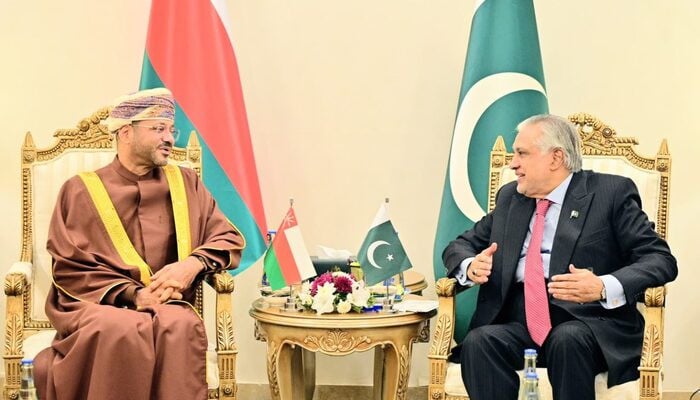
Deputy Prime Minister and Foreign Minister Senator Mohammad Ishaq Dar held extensive bilateral consultations with the Foreign Minister of the Sultanate of Oman, Sayyid Badr bin Hamad bin Hamood Albusaidi, focusing on deepening multifaceted cooperation and regional security architecture. During the diplomatic engagement, the Omani leadership formally lauded Pakistan's persistent and constructive role in fostering regional stability and maritime security across the Arabian Sea and wider Indian Ocean littoral.
The meeting, conducted on the sidelines of high-level multilateral engagements, served as a platform to review the implementation status of decisions taken during previous joint ministerial commissions. Both foreign ministers highlighted the deep-rooted cultural, historic, and geographic ties binding Islamabad and Muscat. The discussions covered specific diplomatic initiatives, ongoing humanitarian concerns across the Middle East, and the imperative of non-escalation in regional waterways that directly influence global commercial shipping lanes.
Commercial & Economic Implications
Beyond diplomatic consensus, the strategic engagement between Islamabad and Muscat carries significant weight for Pakistan's trade logistics and supply chain resilience. Bilateral trade, which has historically hovered around the $500 million to $700 million range annually, remains poised for expansion across energy imports, petrochemicals, agricultural commodities, and finished textile goods.
For wholesale traders and retail distributors in Pakistan, enhanced commercial engagement with Oman offers direct access to a stable, proximate market within the Gulf Cooperation Council (GCC). Oman serves as a vital transit gateway for re-exporting Pakistani food staples, particularly Basmati rice, fresh fruits, vegetables, and livestock. Enhanced shipping lanes between Gwadar, Karachi, and Oman's key maritime hubs—specifically Port Sultan Qaboos and the Port of Sohar—are anticipated to reduce voyage durations to under 48 hours, lowering freight tariffs, decreasing transit spoilage, and softening wholesale price inflation for perishable goods.
Furthermore, Oman's sovereign investment entities and the Pak-Oman Investment Company represent critical avenues for direct capital allocation into Pakistan's real estate, food processing, logistics warehousing, and alternative energy installations, aiding foreign exchange inflows and domestic currency stabilization.
Related Intelligence: Middle East Crisis Deepens as Military Automation Disrupts Regional Trade
Stakeholder Perspectives & Market Reactions
Domestic trade bodies, including the Federation of Pakistan Chambers of Commerce and Industry (FPCCI) and regional shipping associations, have welcomed renewed political impetus between the two brotherly nations. Mercantile associations emphasize that formalizing streamlined customs protocols and lowering non-tariff barriers will immediately benefit medium-sized exporters who currently navigate bureaucratic frictions within the Gulf corridor.
Financial sector analysts note that diplomatic bonhomie must be backed by institutional mechanisms. Market participants have voiced the necessity of concluding a broader, targeted Free Trade Agreement (FTA) framework between Pakistan and the GCC, wherein Oman's diplomatic backing could prove instrumental. Cross-border banking channels and currency swap feasibility have also been highlighted by merchant syndicates seeking to mitigate exchange rate volatilities inherent to trade conducted solely through third-party currencies.
Forward Outlook & Key Watchpoints
The immediate trajectory will depend on the upcoming sessions of the Pak-Oman Joint Ministerial Commission (JMC), slated to establish actionable workstreams for agricultural exports, petrochemical supplies, and labor mobility agreements. Key watchpoints include the potential operationalization of direct commercial ferry services connecting Karachi and Gwadar with Muscat, which could radically disrupt regional containerized logistics.
Additionally, trade observers will monitor progress on reciprocal business visa relaxations to allow Pakistani corporate executives, commercial delegations, and logistics providers easier access to Omani free zones. As both capitals align on peace and economic connectivity, transforming diplomatic goodwill into binding commercial pacts remains the critical benchmark for cross-border commerce over the coming quarters.
Join Our Official WhatsApp Channel
Receive live commodity alerts, policy changes, and commercial intelligence directly on WhatsApp.