
Pakistan Defends Multi-Billion Purchase of 45 Bulletproof Vehicles for SCO Summit
The Pakistani government has robustly defended its procurement of 45 bulletproof vehicles for the upcoming SCO summit, citing critical security requirements.
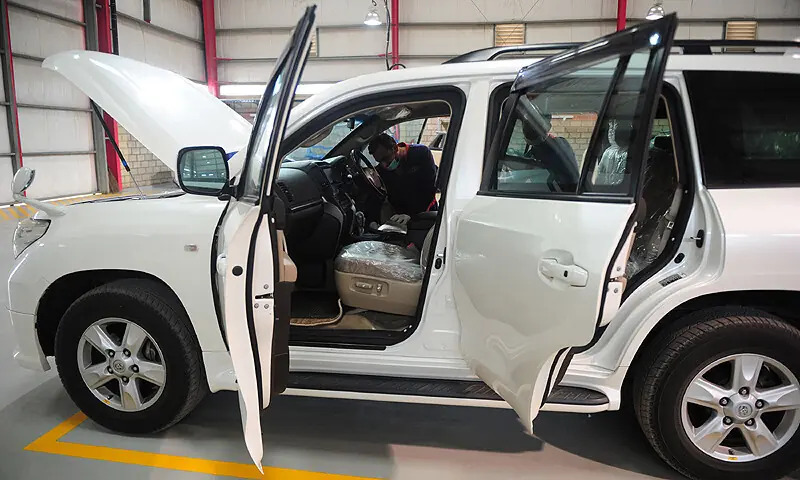
The Core Development
The federal government has officially defended its high-profile decision to procure 45 specialized bulletproof vehicles designated for the upcoming Shanghai Cooperation Organisation (SCO) Council of Heads of State summit, scheduled to take place in Islamabad. The acquisition, estimated to cost billions of rupees, triggered intense public debate and media scrutiny regarding fiscal prudence amidst ongoing national economic stabilization efforts.
In an official press release issued by the Cabinet Division, Islamabad addressed the growing chorus of skeptical commentary across print and digital media. The administration asserted that critics had fundamentally missed the operational context and strategic perspective governing high-level diplomatic security protocols. According to the Cabinet Division, existing state-owned motorcades—primarily consisting of 2016-model vehicles—fall far below contemporary international security standards and are mechanically ill-equipped to handle the rigorous threat matrix associated with visiting heads of state.
Commercial & Economic Implications
While the procurement is framed strictly through a national security lens, the commercial and fiscal ramifications resonate deeply within Pakistan's austere economic climate. At a time when the federal government and provincial administrations are enforcing stringent public expenditure cuts to comply with International Monetary Fund (IMF) fiscal frameworks, large-scale capital outflows for luxury security fleets draw sharp contrast against public austerity measures.
Financial analysts and market observers note that while international summits present vital diplomatic opportunities to showcase economic stability and attract foreign direct investment, the immediate fiscal outlay strains public reserves. Furthermore, foreign exchange allocations required for specialized imports impact domestic liquidity management and underscore the persistent tension between national prestige projects and core macroeconomic stabilization goals.
Related Intelligence: Ethiopian Conflict Escalation Threatens Horn of Africa Stability and Trade
Stakeholder Perspectives & Market Reactions
The decision has galvanized diverse reactions across political, economic, and civil society segments. Opposition lawmakers and fiscal watchdogs have questioned the timing and transparency of the multi-billion rupee authorization, arguing that existing fleets could be retrofitted or that alternative logistical arrangements could achieve similar security outcomes at a fraction of the cost.
Conversely, security establishments and diplomatic planners strongly endorse the procurement, maintaining that compromising on the safety of international dignitaries would project severe vulnerability and violate established diplomatic hospitality norms. Business and trade associations have expressed mixed views, balancing the necessity of projecting a secure investment climate against broader concerns over inflationary pressures and government spending discipline.
Forward Outlook & Key Watchpoints
As Islamabad prepares to host the high-profile SCO summit, attention now turns to the delivery schedules of the newly acquired vehicles and the final accounting of the procurement process. Key watchpoints for financial monitors include the ultimate fiscal impact on the federal budget deficit, the transparency of the tender and procurement contracts, and whether the acquired fleet will be integrated into a permanent state protocol asset pool to serve future international delegations, thereby amortizing the substantial capital expenditure over the long term.
Join Our Official WhatsApp Channel
Receive live commodity alerts, policy changes, and commercial intelligence directly on WhatsApp.