
Pakistan Cuts Fuel Prices Following Global Energy Trends
The Pakistani government has announced minor reductions in petrol and high-speed diesel prices, offering slight relief to inflation-burdened consumers amid shifting global energy markets.
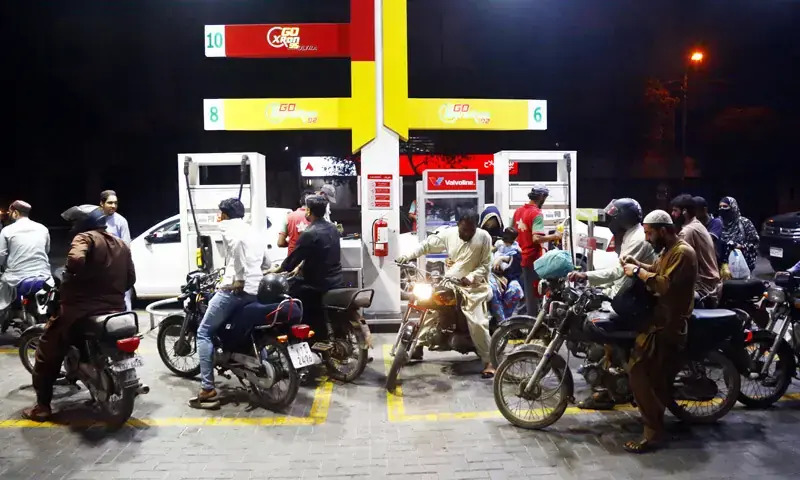
The Core Development
The Government of Pakistan has officially announced a downward revision in the ex-depot prices of petroleum products, bringing minor relief to citizens amidst a persistent inflationary cycle. According to notifications issued by the Ministry of Energy based on recommendations from the Oil and Gas Regulatory Authority (OGRA), the price of petrol has been reduced by Rs1.70 per litre. Concurrently, High-Speed Diesel (HSD)—a critical fuel driving the country's transport, logistics, and agricultural machinery—witnessed a slightly more pronounced decrease of Rs3.12 per litre.
This pricing adjustment takes immediate effect and will remain applicable for the upcoming fortnightly review cycle. The policy shift aligns domestic retail pricing mechanisms with recent downward fluctuations in benchmark petroleum products on international markets. While the quantum of reduction remains modest, it breaks a prior sequence of upward adjustments and price freezes that had constrained consumer purchasing power across major urban and rural centers.
Commercial & Economic Implications
For an import-dependent economy like Pakistan, movements in petroleum prices exert a profound systemic influence on wholesale distribution, retail trade, and the broader macroeconomic landscape. High-Speed Diesel serves as the lifeblood of the national supply chain, powering freight trucks, cargo carriers, and heavy transport networks. The Rs3.12 per litre reduction in HSD is expected to exert a mild deflationary pressure on freight and shipping costs, which could marginally ease the transportation overhead for agricultural produce moving from rural agrarian hubs to primary consumer markets.
However, trade analysts and economic observers note that the reduction of Rs1.70 per litre in petrol—primarily consumed by private automobiles, two-wheelers, and ride-hailing services—will have a limited direct impact on industrial production costs. Nevertheless, any reduction in energy expenses helps moderate transport inflation, a key sub-index in the national Consumer Price Index (CPI). With businesses navigating high operational costs, borrowing rates, and utility tariffs, even incremental relief in logistics expenditure is welcomed by commercial enterprises striving to protect profit margins.
Related Intelligence: Sudan Famine Crisis Threatens Regional Stability and Commodity Flows
Stakeholder Perspectives & Market Reactions
Market reactions to the announcement have been measured. Transport associations and commuter advocacy groups acknowledged the downward revision but argued that the relief is disproportionate to the cumulative burdens accumulated over previous fiscal quarters. Representatives from the All Pakistan Goods Transporters Association noted that while any reduction in diesel prices is a step in the direction of lower operational expenditure, high toll taxes, spare part costs, and fluctuating currency values continue to squeeze profit margins across the logistics sector.
Meanwhile, retail petroleum dealers and oil marketing companies observed that consumer demand has remained relatively inelastic despite minor price adjustments. Official representatives from the Ministry of Finance emphasized that domestic retail prices remain strictly tethered to landed costs, international Brent crude benchmarks, and applicable petroleum development levies, which constitute a vital component of national revenue generation under ongoing fiscal stabilization programs.
Forward Outlook & Key Watchpoints
Looking ahead, market participants and economic policymakers will closely monitor the trajectory of geopolitical developments in the Middle East and global supply chain dynamics, which heavily dictate international crude oil prices. OGRA and the Ministry of Energy will maintain their fortnightly review schedule, assessing whether further adjustments are warranted in subsequent cycles.
For businesses and consumers in Pakistan, key watchpoints include upcoming inflation data releases from the Pakistan Bureau of Statistics, potential adjustments in electricity and gas tariffs, and stability in the foreign exchange market. Sustained downward momentum in global energy commodities could pave the way for more substantial relief, aiding the central bank's broader objectives of price stability and sustainable economic recovery.
Join Our Official WhatsApp Channel
Receive live commodity alerts, policy changes, and commercial intelligence directly on WhatsApp.