
Pakistan Blasts India at UNGA Over Global Terrorism and Propaganda
At the 81st UNGA session, Pakistan fiercely condemned India for exporting terrorism and institutionalizing Hindutva, setting off severe regional economic and diplomatic ripples.
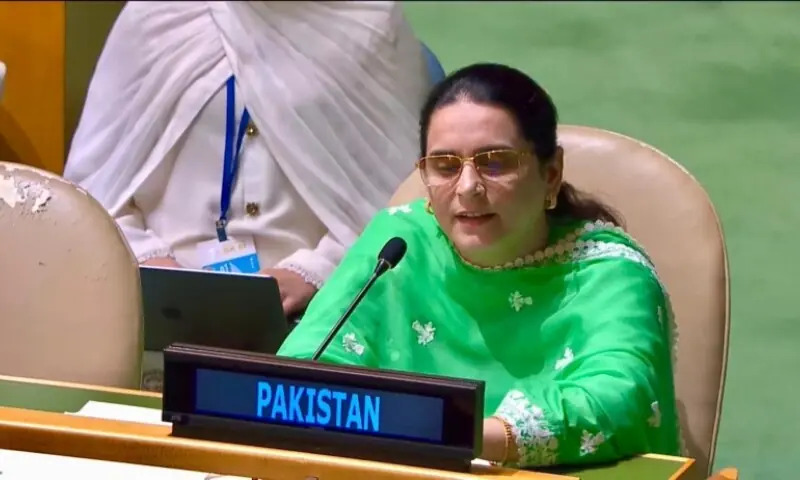
The Core Development
At the 81st session of the United Nations General Assembly, diplomatic tensions between Islamabad and New Delhi reached a new crescendo. Exercising its right of reply, Pakistan Counsellor Saima Saleem launched a blistering critique against India, characterizing its state policies as the "largest hypocrisy in the world." Islamabad accused New Delhi of elevating propaganda into statecraft, weaponizing disinformation as mainstream diplomacy, and exporting terrorism as an active instrument of state policy.
The verbal sparring erupted following remarks made by the Indian representative during the UNGA general debate. In a meticulously detailed counter-statement, the Pakistani delegation asserted that India pursues aggressive regional hegemony while systematically mainstreaming Islamophobia and institutionalizing the Hindutva ideology. This high-stakes diplomatic confrontation at an international forum highlights the deep-seated structural animosities that continue to define South Asian geopolitics, directly impacting bilateral engagement frameworks and multilateral cooperation.
Commercial & Economic Implications
While the clash occurred on a diplomatic stage, the reverberations are deeply felt across commercial corridors, wholesale distribution networks, and regional supply chains in Pakistan. Protracted geopolitical hostility restricts bilateral trade potential, forcing Pakistani enterprises to source essential raw materials, pharmaceuticals, and agricultural inputs from distant international markets, thereby elevating import costs and stoking inflationary pressures.
For retail trade and domestic markets, heightened cross-border friction translates into prolonged supply chain vulnerabilities. Uncertainty along regional trade routes dampens investor confidence, slows foreign direct investment inflows, and complicates macroeconomic stabilization efforts led by policymakers in Islamabad. Businesses must contend with higher risk premiums, which ultimately trickle down to consumers through elevated prices for everyday goods and industrial commodities.
Related Intelligence: Bangladesh Redraws Foreign Policy After Historic Uprisings
Stakeholder Perspectives & Market Reactions
Major trade bodies, chambers of commerce, and industrial associations across Pakistan have closely monitored the developments at the United Nations. Business leaders emphasize that regional stability remains a prerequisite for sustained economic recovery and export-led growth. Industry representatives argue that persistent diplomatic deadlocks deprive South Asia of mutually beneficial economic integration, costing billions in lost trade and investment opportunities.
Legal and foreign policy experts in Pakistan have overwhelmingly endorsed the government's robust counter-narrative at the UNGA, viewing it as a necessary defense against systematic diplomatic encirclement. Meanwhile, public response across urban centers reflects strong national solidarity with the state's diplomatic posture, even as citizens grapple with cost-of-living challenges exacerbated by external economic shocks.
Forward Outlook & Key Watchpoints
Looking ahead, market analysts and policy observers are tracking several key watchpoints to gauge the trajectory of bilateral relations and economic stability. Primary indicators include upcoming multilateral summits, potential diplomatic backchannels, and any shifts in trade policy posture from either Islamabad or New Delhi.
Businesses operating in Pakistan are advised to maintain agile supply chain strategies, diversifying procurement channels away from geopolitical flashpoints to mitigate unforeseen disruptions. As policymakers navigate these complex diplomatic headwinds, maintaining domestic economic resilience and fiscal discipline will remain the paramount defense against regional volatility.
Join Our Official WhatsApp Channel
Receive live commodity alerts, policy changes, and commercial intelligence directly on WhatsApp.