
Pakistan Bar Council Clears Ahsan Bhoon's Law Degrees Amid Controversy
The Pakistan Bar Council verified the law degrees of its elected members, dismissing challenges against prominent lawyer Ahsan Bhoon.
The Core Development
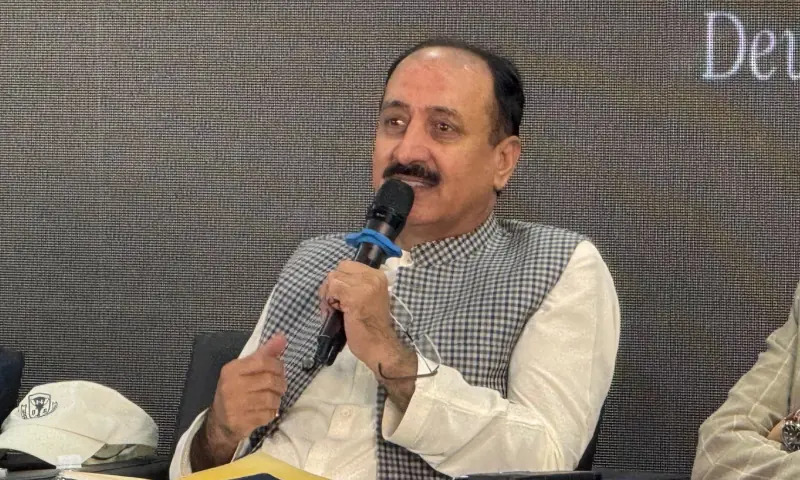
In a definitive move to quell mounting institutional speculation, the Pakistan Bar Council (PBC) officially declared on Thursday that the law degrees of its elected members, most notably prominent legal figure and Judicial Commission of Pakistan (JCP) member Ahsan Bhoon, are entirely genuine. The announcement by the supreme regulatory body of lawyers comes in the wake of an intense public and professional debate regarding the academic qualifications of several high-profile legal practitioners.
The controversy intensified after formal challenges were raised regarding the educational credentials of Bhoon, drawing significant scrutiny from political and legal circles alike. Specifically, political figure Captain Safdar had previously moved the Judicial Commission of Pakistan, questioning the validity of Bhoon's law degree and seeking a formal investigation into his professional standing.
Responding to these allegations, the PBC released a comprehensive official statement detailing the rigorous administrative protocols followed during its electoral processes. The council clarified that the returning officers (ROs) responsible for overseeing both the 2020 and 2025 internal elections meticulously submitted the academic credentials of all winning candidates to their respective degree-awarding universities for independent authentication prior to official notification. According to the PBC, this institutional safeguard ensures that only candidates with verified credentials assume leadership roles within the apex regulatory body.
Commercial & Economic Implications
While the controversy ostensibly centers on professional ethics and legal qualifications within the apex judicial bodies, stability in the legal and regulatory framework carries profound indirect ramifications for the broader business, commercial, and trade environment in Pakistan. Kalyar Traders notes that investor confidence is deeply intertwined with the perceived integrity, transparency, and independence of the nation's legal institutions, including the Judicial Commission of Pakistan.
Unresolved disputes or lingering controversies regarding the credentials of key figures within judicial oversight bodies can create administrative uncertainty, potentially delaying critical corporate litigation, regulatory rulings, and commercial dispute resolutions. A stable legal apparatus is vital for maintaining predictable contract enforcement, protecting foreign and domestic investments, and safeguarding supply chains against regulatory bottlenecks. By swiftly addressing and dismissing challenges against its leadership, the PBC has sought to reinforce institutional continuity, ensuring that commercial jurisprudence proceeds without prolonged administrative interruptions.
Related Intelligence: Pakistan Bar Council Vindicates Ahsan Bhoon Amid Degree Controversy
Stakeholder Perspectives & Market Reactions
Reaction across the legal fraternity and associated stakeholder groups has been polarized yet decisive. Supporters of Ahsan Bhoon and mainstream bar representatives welcomed the PBC clarification, arguing that the politically motivated challenges were designed to malign the reputation of independent legal minds serving on vital national panels like the JCP. Legal experts emphasized that questioning verified degrees directly authenticated by universities undermines the established statutory authority of bar councils.
Conversely, critics and petitioner circles maintain that absolute transparency and unyielding accountability are paramount for individuals holding high judicial and quasi-judicial appointments. Industry bodies and trade associations have closely monitored the developments, stressing that public trust in regulatory bodies remains critical for maintaining a predictable business climate across the country.
Forward Outlook & Key Watchpoints
As the Pakistan Bar Council concludes its administrative review and reaffirms the authenticity of its roster, attention now shifts to the broader implications for judicial appointments and institutional governance. Market observers, corporate stakeholders, and trade federations will monitor how the Judicial Commission of Pakistan handles pending petitions and whether these episodes prompt tighter, standardized verification protocols for all future judicial and bar council nominees.
The swift closure of this controversy helps stabilize the immediate administrative environment, but ongoing demands for institutional transparency suggest that credential verification will remain a heavily scrutinized metric across Pakistan's legal and professional landscape.
Join Our Official WhatsApp Channel
Receive live commodity alerts, policy changes, and commercial intelligence directly on WhatsApp.