
Pakistan and Azerbaijan Strengthen Strategic and Economic Alliance
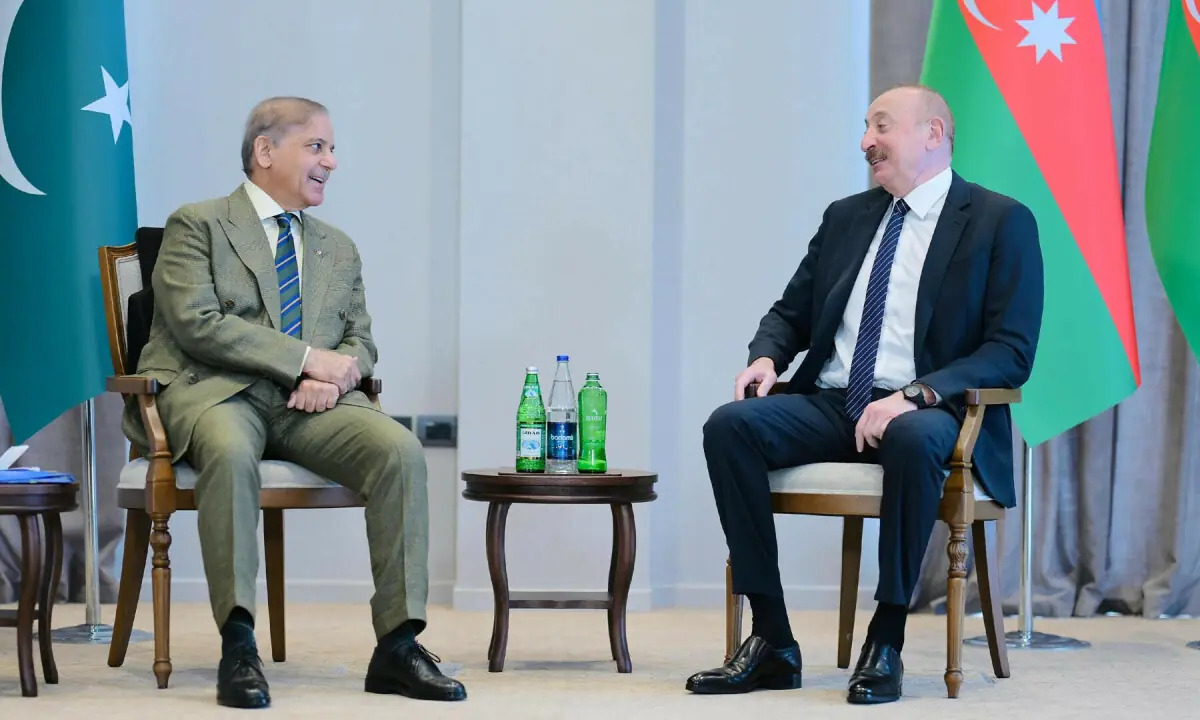
Prime Minister Shehbaz Sharif and Azerbaijani President Ilham Aliyev agreed to elevate bilateral relations into robust economic and commercial partnerships.
The Core Development
Prime Minister Shehbaz Sharif reaffirmed Pakistan's deep-rooted, fraternal, and strategic partnership with Azerbaijan during a high-level telephone conversation with President Ilham Aliyev. Released by the Prime Minister's Office (PMO), the dialogue centered on expanding bilateral cooperation across multiple strategic domains, underpinned by mutual trust and steadfast support on issues of core national interest. The two leaders conducted a comprehensive review of existing bilateral ties, emphasizing that the current political alignment must now serve as a strong foundation for expanded diplomatic and state-to-state collaboration.
Historically, Pakistan and Azerbaijan have maintained close geopolitical alignment, particularly regarding regional security and diplomatic support in international forums. However, recent diplomatic engagements reflect a strategic shift toward economic diplomacy. The conversation between Prime Minister Sharif and President Aliyev marks a definitive step in operationalizing previously signed Memorandums of Understanding (MoUs), transitioning bilateral diplomacy from political rhetoric into structured, measurable economic outcomes.
Commercial & Economic Implications
The renewed commitment between Islamabad and Baku carries profound implications for bilateral trade, wholesale distribution, and energy cooperation in Pakistan. With Pakistan grappling with persistent inflationary pressures and foreign exchange constraints, forging deeper economic corridors with energy-rich nations like Azerbaijan is critical. The discussions specifically targeted enhanced commercial exchanges, foreign direct investment (FDI), and joint ventures in energy and infrastructure.
For Pakistan's domestic markets, closer ties with Azerbaijan could pave the way for more stable energy imports, potentially alleviating domestic supply chain vulnerabilities and stabilizing wholesale petroleum and gas prices. Furthermore, business councils from both countries are expected to explore preferential trade agreements that could benefit Pakistani agricultural exporters and textile manufacturers seeking access to Central Asian and Caucasus markets through Azerbaijani transit hubs.
Related Intelligence: Hurricane Isaias Batters US Gulf Coast, Disrupting Energy and Supply Chains
Stakeholder Perspectives & Market Reactions
Business and trade associations in Pakistan have welcomed the renewed diplomatic momentum, viewing it as a long-overdue catalyst for private-sector engagement. Representatives from Chambers of Commerce and Industry in major urban centers noted that Pakistani enterprises are eager to leverage Azerbaijan's strategic geographic position as a gateway to the Caspian region and Eastern Europe.
Industry analysts emphasize that while the political will is evident, the ultimate success of this partnership hinges on bureaucratic efficiency and the rapid implementation of bilateral trade frameworks. Legal and financial experts have called for streamlined customs procedures, double-taxation treaties, and improved logistics infrastructure to facilitate seamless cross-border commerce and encourage joint investments by corporate entities in both nations.
Forward Outlook & Key Watchpoints
As Islamabad and Baku move forward, key watchpoints will include the scheduling of upcoming Joint Ministerial Commission sessions and high-level trade delegations. Market observers will monitor whether the renewed political commitments translate into binding commercial contracts, particularly in the energy, IT, and agricultural sectors.
Policy enforcement and institutional follow-through will remain the ultimate test for this renewed strategic partnership. If both governments successfully execute their stated economic roadmap, the bilateral relationship could serve as a vital economic buffer for Pakistan amidst ongoing macroeconomic stabilization efforts.
Join Our Official WhatsApp Channel
Receive live commodity alerts, policy changes, and commercial intelligence directly on WhatsApp.