
Pakistan Deploys Army in Khyber Pakhtunkhwa Amid Governor Rule
The federal government has authorised Pakistan Army deployment in Khyber Pakhtunkhwa following the imposition of governor's rule, raising critical concerns for regional trade and economic stability.
The Core Development
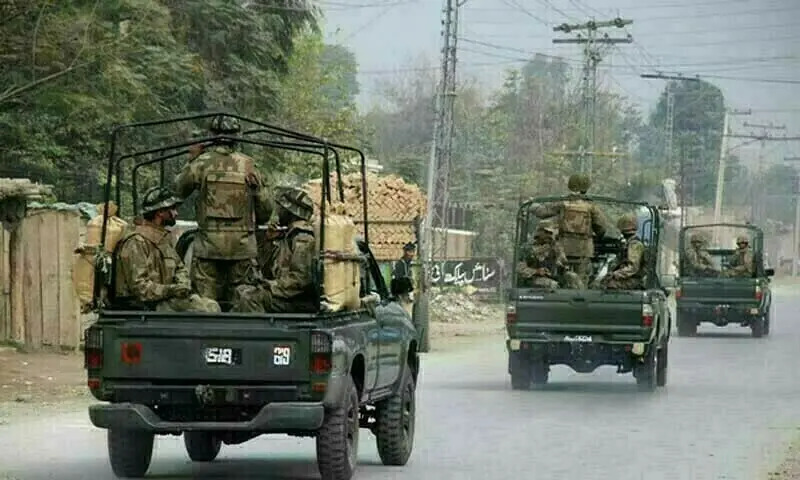
In a decisive escalation of state authority, the federal government formally authorised the deployment of Pakistan Army troops and associated assets in aid of civil power across Khyber Pakhtunkhwa. This sweeping measure follows the immediate imposition of an emergency and governor's rule within the province, enacted under Articles 232 and 234 of the Constitution of Pakistan. The constitutional intervention was finalized after the President of Pakistan formally approved comprehensive recommendations submitted by the federal cabinet.
The operational mandate for military deployment was institutionalized through SRO (1)/2026, promulgated by the Ministry of Interior on Sunday. According to official documentation, the federal government invoked these extraordinary powers to ensure the absolute safety of civilian lives, protect vital national infrastructure, and restore public order amidst escalating security challenges in the region. Civil administration officials confirmed that military units have begun coordinating with provincial law enforcement agencies to secure strategic installations, major transit corridors, and administrative focal points across Peshawar and surrounding districts.
Commercial & Economic Implications
For Kalyar Traders and the broader business community operating in Pakistan's northwest, the imposition of emergency rule and military deployment introduces profound commercial uncertainty. Khyber Pakhtunkhwa serves as a critical commercial nexus, particularly acting as the primary trade corridor for bilateral commerce with Afghanistan through the Torkham border and regional markets.
Market analysts warn that heightened security protocols, potential curfew restrictions, and administrative transitions could severely impede wholesale distribution networks. Retail trade across Peshawar, Mardan, and Swat has already experienced localized slowdowns as merchants adopt a cautious stance, curtailing daily inventory turnover. Supply chains moving essential commodities, agricultural produce, and manufactured goods from Punjab and Sindh into the province face potential transit delays at security checkpoints, threatening to stoke inflationary pressures on perishable items and daily consumer goods. Furthermore, inter-provincial freight transport costs are expected to surge temporarily as logistics operators factor in heightened risk premiums.
Related Intelligence: KP Advisory Council Convenes Amid Governor Rule and Security Crisis
Stakeholder Perspectives & Market Reactions
Business councils, chambers of commerce, and trader associations have voiced acute apprehension regarding the economic fallout of prolonged administrative uncertainty. Representatives from the Sarhad Chamber of Commerce and Industry noted that while security remains paramount for commercial viability, abrupt governance shifts disrupt investor confidence and hinder ongoing industrial operations.
Legal experts remain divided on the long-term economic repercussions of invoking Articles 232 and 234 concurrently with military aid to civil power. Constitutional analysts point out that while the federal intervention aims to stabilize a deteriorating security landscape, prolonged suspension of elected provincial governance could stall vital economic development projects, delay public sector disbursements, and freeze regional fiscal incentives necessary for industrial revitalization in marginalized districts.
Forward Outlook & Key Watchpoints
As the situation unfolds, stakeholders across the financial and industrial sectors are closely monitoring several critical operational indicators over the coming weeks. Key watchpoints include the duration of the governor's rule, the operational scope and duration of army deployment under SRO (1)/2026, and the operational status of major commercial transit routes.
Economists emphasize that the swift restoration of administrative predictability and unhindered movement for commercial transport will be vital to prevent sustained retail price inflation in the province. Kalyar Traders will continue tracking policy updates from the Ministry of Interior and provincial commerce departments to advise commercial partners on risk mitigation strategies across regional supply chains.
Join Our Official WhatsApp Channel
Receive live commodity alerts, policy changes, and commercial intelligence directly on WhatsApp.