
Pakistan Air Raids on Afghanistan Escalates Regional Border Tensions
Airstrikes attributed to Pakistan in eastern and southern Afghanistan have resulted in civilian casualties, escalating diplomatic and security tensions between Islamabad and Kabul.
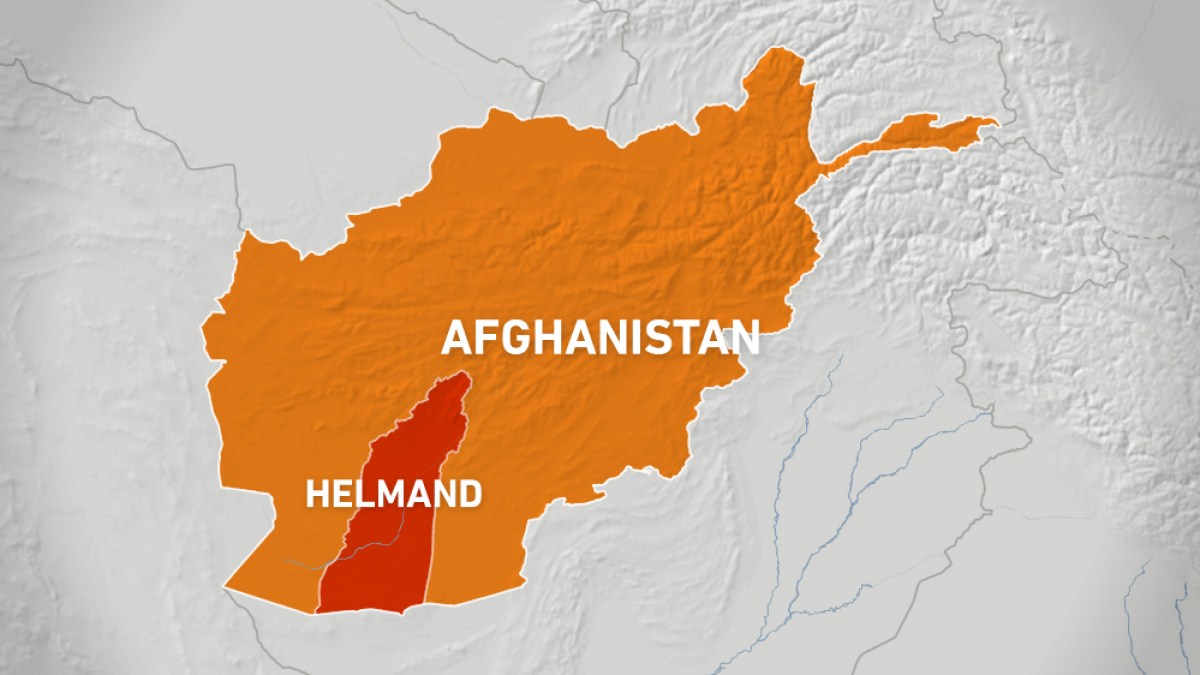
Geopolitical & Core Developments
Tensions along the volatile Afghanistan-Pakistan border have reached a dangerous new inflection point following reported Pakistani airstrikes in the eastern province of Kunar and the southern province of Helmand. According to statements released by officials in Kabul, the nocturnal bombardments resulted in the deaths of nine individuals, whom local authorities identified exclusively as women and children. The strikes underscore a persistent and worsening security dilemma for the Taliban administration, which has struggled to secure its sovereign airspace and perimeter borders since reclaiming power in August 2021.
For Islamabad, the border region has long served as a strategic security headache, characterized by frequent militant incursions attributed to the Tehreek-e-Taliban Pakistan (TTP). Pakistani military and intelligence apparatuses have grown increasingly intolerant of cross-border sanctuaries, leading to intensified kinetic operations designed to neutralize insurgent leadership. However, the latest raids risk compounding civilian grievances inside Afghanistan, hardening anti-Pakistani sentiment among the local populace, and provoking direct retaliatory friction along the 2,640-kilometer Durand Line. Neither the Pakistani military's Inter-Services Public Relations nor the Foreign Office in Islamabad issued immediate formal comments regarding the specific operations, maintaining a posture of strategic ambiguity that complicates diplomatic de-escalation efforts.
Global Trade & Economic Ripples
While the immediate theater of conflict remains confined to rugged border terrain, the broader economic ramifications of escalating bilateral hostility between Pakistan and Afghanistan hold significant weight for South Asian commerce. The Durand Line is punctuated by critical commercial crossing points, notably Torkham and Chaman, which facilitate bilateral trade and serve as vital transit conduits for landlocked Afghanistan's imports and exports. Frequent border closures resulting from security flare-ups disrupt perishable goods supply chains, strand commercial cargo fleets, and inflict immediate financial losses on merchants and logistics firms operating within the broader Central and South Asian trade corridors.
Furthermore, the persistent security deficit along the Afghanistan-Pakistan frontier dampens investor confidence across regional energy and infrastructure initiatives, including the stalled Trans-Afghanistan Pipeline project designed to transport Turkmen natural gas through Afghan territory to Pakistan and India. Persistent geopolitical volatility elevates war-risk insurance premiums for transport operators, deters international capital deployment in regional logistics, and constrains the economic integration necessary to stabilize the wider macro-economy of Central Asia. Commodity markets remain sensitive to any sign of broader instability that could choke trade arteries connecting South Asia to broader Eurasian markets.
Related Intelligence: East Africa Faces Monumental Economic and Infrastructure Test for AFCON 2027
International Reactions & Diplomatic Stances
International bodies and regional stakeholders have monitored the escalating border crisis with mounting alarm, urging immediate restraint to prevent a wider military confrontation. United Nations representatives in Kabul have repeatedly emphasized the imperative of protecting civilian populations in conflict zones and adhering to international humanitarian law. Neighboring powers, including China and Iran, have expressed concern over the potential for renewed civil conflict or state collapse in Afghanistan, which could trigger fresh waves of cross-border displacement and empower regional extremist networks.
Western capitals, while maintaining a diplomatic distance from the de facto Taliban administration, continue to monitor counter-terrorism dynamics within the region closely. Analysts suggest that Pakistan faces a difficult balancing act: managing its domestic security imperatives against militant groups while avoiding unilateral military actions that violate international norms, alienate the Afghan population, and invite international condemnation. Multilateral institutions are anticipated to call for bilateral dialogue mechanisms to address border security concerns without resorting to kinetic measures that endanger civilian lives.
Strategic Outlook & Future Scenarios
Looking ahead, the trajectory of relations between Islamabad and Kabul will likely hinge on whether both sides can establish functional security cooperation mechanisms to manage militant activity along the border. In the absence of formal diplomatic recognition of the Taliban regime by Pakistan and the broader international community, communication channels remain strained and vulnerable to miscalculation. If cross-border strikes continue without coordinated frameworks, the risk of localized skirmishes escalating into conventional military exchanges remains elevated.
Upcoming regional security dialogues and Shanghai Cooperation Organisation engagements will provide critical diplomatic barometers to assess whether external actors can successfully mediate between the two neighbors. For global investors and supply chain operators, closely monitoring border crossing statuses, military postures, and diplomatic communiques will remain essential to navigating the unpredictable risk landscape of South Asia's frontier economies.
Join Our Official WhatsApp Channel
Receive live commodity alerts, policy changes, and commercial intelligence directly on WhatsApp.