
Eritrean Troops Spotted in Northern Ethiopia Amid Rising Border Tensions
Witness reports of Eritrean troops in northern Ethiopia threaten regional stability, as Asmara dismisses the claims as a pretext for war.
Geopolitical & Core Developments
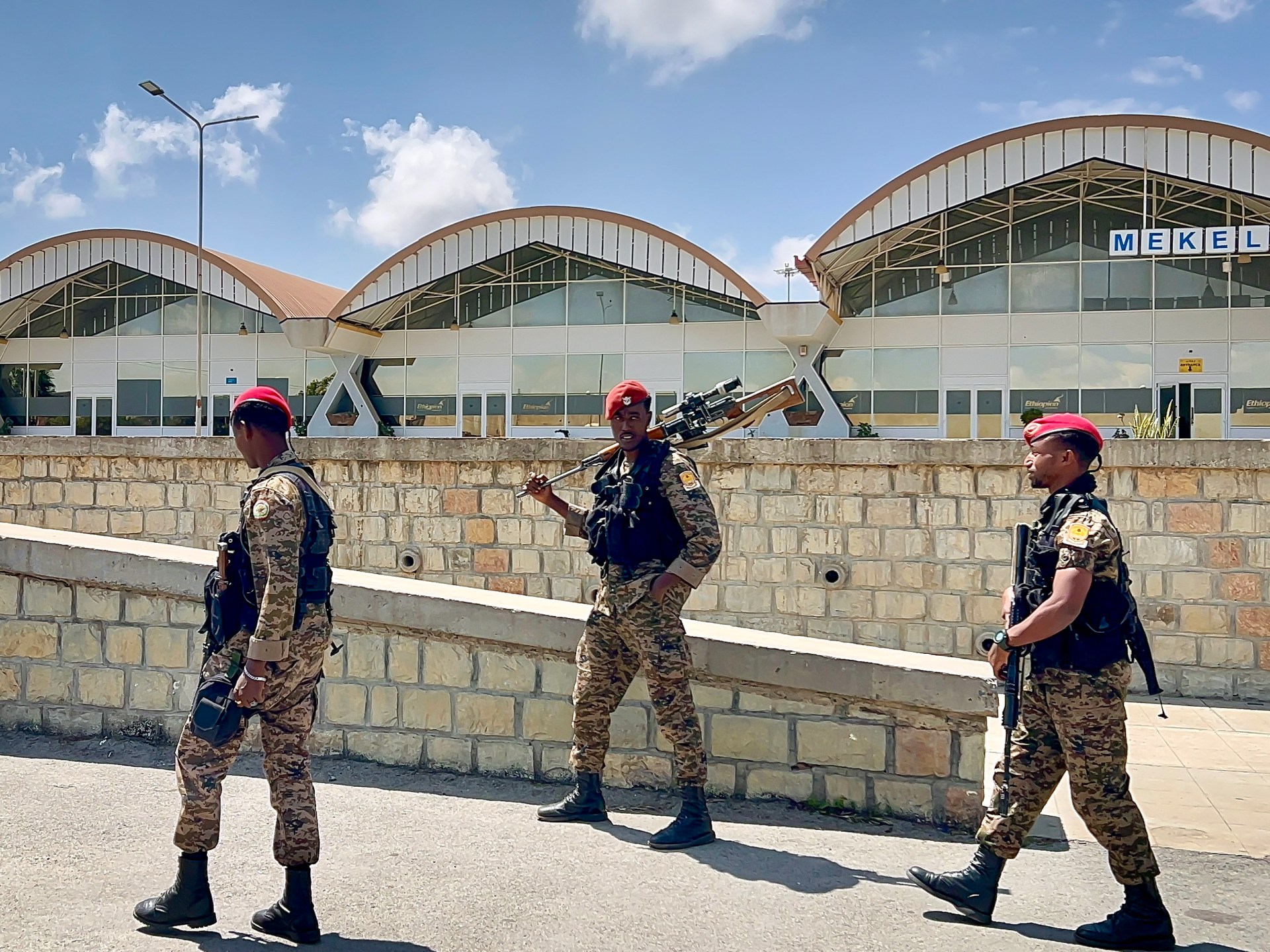
Recent eyewitness reports indicating the presence of Eritrean military units within northern Ethiopia have injected severe volatility into the Horn of Africa, threatening the fragile peace established by the 2022 Pretoria Agreement. Local observers and intelligence sources confirm unauthorized troop movements near the contested border areas, reigniting strategic anxieties between Addis Ababa and Asmara. The re-emergence of foreign boots on sovereign soil marks a critical inflection point in bilateral relations, which have remained deeply fractured despite formal diplomatic overtures.
Eritrean state authorities have aggressively dismissed the allegations, labeling the reports as malicious disinformation manufactured by the Ethiopian federal government to justify future military mobilization. Asmara maintains that its territorial sovereignty has been respected, while accusing external actors of orchestrating a coordinated campaign to destabilize the broader East African theater. Meanwhile, federal officials in Addis Ababa face mounting internal pressure from regional factions, complicating strategic decision-making and narrowing the diplomatic window for de-escalation.
Global Trade & Economic Ripples
The resurgence of hostilities in northern Ethiopia carries profound implications for global trade, particularly regarding supply chain integrity and commodity flows through the critical Bab el-Mandeb strait and Red Sea shipping lanes. East Africa serves as a vital logistical bridge connecting Middle Eastern energy markets with sub-Saharan economies; any protracted military conflict directly threatens regional infrastructure, including transportation corridors and telecommunications networks.
Commodity markets are closely monitoring the security situation, with potential knock-on effects for regional agricultural exports, including coffee and oilseeds, which anchor Ethiopia's foreign exchange earnings. Heightened geopolitical risk premiums instantly translate into elevated marine insurance rates and prolonged transit times for vessels navigating the Red Sea corridor. Furthermore, persistent instability undermines foreign direct investment inflows across the entire East African Community, dampening currency values and straining sovereign debt profiles as governments divert scarce public revenues toward emergency defense expenditures.
Related Intelligence: Hijacked Tanker Crew Members Return to Karachi Amid Supply Chain Concerns
International Reactions & Diplomatic Stances
Global institutions and regional multilateral bodies have responded with profound alarm to the unfolding crisis. The United Nations Security Council has called for immediate restraint from both governments, urging strict adherence to existing ceasefire frameworks and demanding unobstructed access for humanitarian monitors. Officials from the Intergovernmental Authority on Development have initiated emergency shuttle diplomacy, pressing both capitals to engage in direct military-to-military de-confliction talks.
Western capitals, including Washington and Brussels, have issued coordinated diplomatic warnings emphasizing that any resumption of full-scale war will trigger targeted economic sanctions and diplomatic isolation. Market analysts note that international lenders are adopting a risk-off posture toward East African sovereign debt instruments, reflecting deep skepticism regarding the longevity of regional stability frameworks and the commitment of local actors to negotiated settlements.
Strategic Outlook & Future Scenarios
Looking ahead, the trajectory of the Ethiopia-Eritrea border crisis hinges on the efficacy of backdoor diplomatic channels and the containment of domestic political pressures within Addis Ababa. Analysts outline several potential scenarios, ranging from a tense diplomatic standoff with localized skirmishes to a catastrophic relapse into open regional warfare. Upcoming extraordinary summits convened by the African Union will serve as a critical litmus test for the continent's capacity to resolve cross-border disputes autonomously.
Should diplomatic interventions fail to establish verifiable demilitarized zones along the frontier, the risk of miscalculation escalates exponentially. Investors and multinational corporations operating within the Horn of Africa must prepare contingency plans for sudden logistical disruptions, currency devaluation, and heightened security protocols. The coming weeks will dictate whether the region pivots toward durable economic integration or succumbs to another destructive cycle of geopolitical fragmentation.
Join Our Official WhatsApp Channel
Receive live commodity alerts, policy changes, and commercial intelligence directly on WhatsApp.