
Pakistan Abstains on UNSC Iran Sanctions Vote Balancing Energy and Diplomacy
Pakistan has abstained from a crucial UN Security Council vote regarding Iranian sanctions monitoring, reflecting Islamabad's delicate diplomatic balancing act between Western financial compliance and vital regional energy and trade engagements.
The Core Development
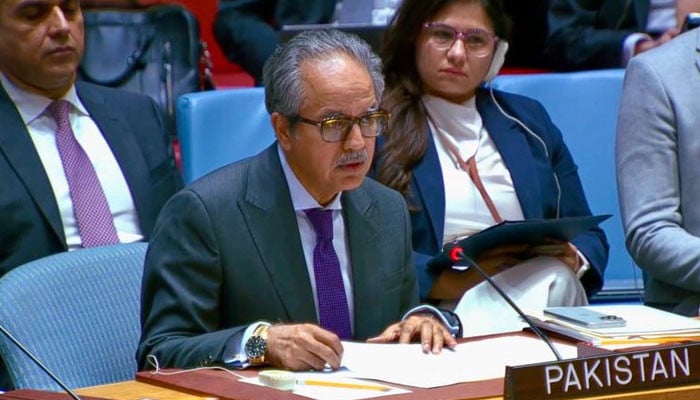
In a calibrated diplomatic maneuver at the United Nations Security Council in New York, Pakistan opted to abstain from a vote addressing the oversight and mandate frameworks of sanctions monitoring mechanisms concerning the Islamic Republic of Iran. Pakistan's diplomatic delegation reiterated that multilateral bodies must prioritize constructive engagement and diplomatic resolution over punitive instruments that inadvertently stifle regional socio-economic connectivity. By choosing abstention, Islamabad maintained its delicate foreign policy equilibrium, navigating the geopolitical divide between Western powers advocating for strict oversight and regional neighbors seeking unencumbered economic integration.
The vote comes at a sensitive juncture as Islamabad seeks to balance its commitments under international agreements with its imperative to foster stability along its western border. Pakistan's diplomatic mission articulated that persistent unilateral coercive measures and rigid monitoring frameworks often aggravate regional volatility, complicating normal economic interaction. Islamabad's strategic positioning underscores its refusal to be drawn into zero-sum geopolitical alignments, particularly as it seeks foreign direct investment and vital balance-of-payments support from international financial institutions while relying on peaceful borders to sustain domestic stability.
Commercial & Economic Implications
For Pakistan's commercial landscape, retail distribution networks, and wholesale commodity markets, the diplomatic decision carries considerable weight. Pakistan shares an expansive 900-kilometer border with Iran, serving as a critical artery for cross-border commerce, informal fuel movements, and essential retail goods. In Balochistan and southern Sindh, domestic consumers and wholesale traders depend heavily on Iranian liquefied petroleum gas, petrochemical derivatives, cooking oil, and construction materials such as tiles and steel billets.
A vote supporting aggressive enforcement mechanisms could have invited heightened scrutiny on cross-border clearing hubs, complicating ongoing barter trade arrangements authorized by the Ministry of Commerce. Given Pakistan's foreign exchange constraints, cross-border barter trade provides a non-dollar clearing mechanism that helps buffer domestic retail prices against global currency volatility. Had Pakistan taken an adversarial stance, the disruption to informal and preferential energy flows would have triggered sharp price adjustments in retail petroleum and cooking gas, directly transferring cost pressures onto domestic consumers already contending with persistent cost-of-living challenges.
Related Intelligence: US Grants Visas to Iranian Leadership for UN Meetings Amid Regional War
Stakeholder Perspectives & Market Reactions
Commercial entities, including the Federation of Pakistan Chambers of Commerce and Industry and regional trade associations in Quetta, have largely viewed the abstention as a pragmatic posture. Business leaders have persistently urged the federal government to preserve operational avenues for regional trade, citing the high cost of formal sea freight and import tariffs on third-party alternatives. Wholesale distributors emphasize that localized supply chains in border regions sustain thousands of micro-enterprises that lack access to formal international banking instruments.
Conversely, banking compliance experts and financial analysts emphasize that Pakistan's abstention does not entirely shield the domestic economy from international scrutiny. Major commercial banks in Pakistan maintain stringent compliance protocols, routinely declining trade instruments that carry direct or indirect exposure to Iranian entities due to the prevailing risks of secondary sanctions from Western regulatory authorities. Corporate stakeholders note that until institutional clearing systems and recognized banking conduits are established, formal trade will remain restricted despite favorable diplomatic gestures.
Forward Outlook & Key Watchpoints
Looking ahead, Islamabad faces the task of operationalizing its bilateral trade target of five billion dollars with Tehran while maintaining strict compliance with international anti-money laundering and financial transparency standards. The immediate focus turns to the forthcoming sessions of the Joint Economic Commission, where both nations are anticipated to refine clearing mechanisms for agricultural exports, livestock, and petroleum products.
Key watchpoints for domestic enterprises include the potential response from Washington and European partners, which could influence future reviews with multilateral lenders. Simultaneously, market participants will monitor whether the State Bank of Pakistan issues updated guidelines for cross-border currency-free settlement mechanisms. As geopolitical pressures fluctuate, commercial operators must brace for continued volatility in border logistics, requiring resilient procurement strategies to navigate the complex intersection of global sanctions and regional trade realities.
Join Our Official WhatsApp Channel
Receive live commodity alerts, policy changes, and commercial intelligence directly on WhatsApp.