
Nike Fails to Defend Global Market Share Amid Strategic Missteps
Once the undisputed king of sportswear, Nike faces unprecedented global challenges following severe strategic missteps and rising international competition.
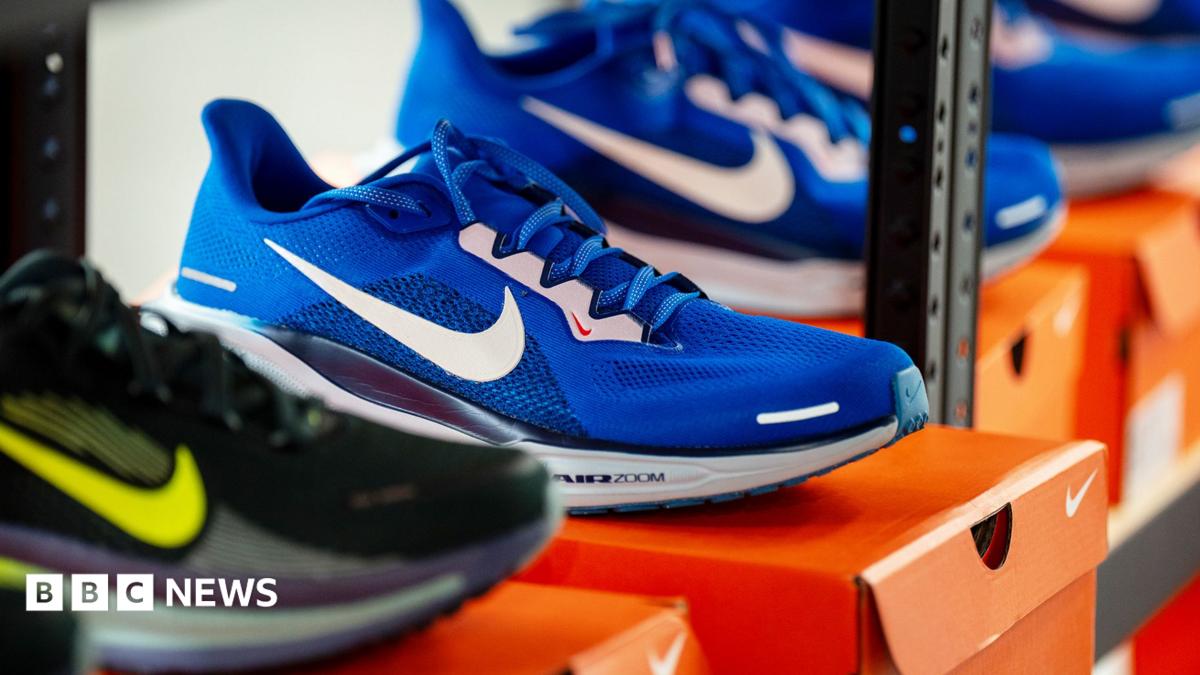
Geopolitical & Core Developments
For decades, Nike stood as the undisputed titan of global athletic footwear and apparel, projecting American corporate dominance across continents through aggressive marketing, iconic branding, and deep cultural integration. However, recent years have witnessed a staggering unraveling of this market supremacy. At the heart of Nike's current crisis is a series of self-inflicted strategic errors, most notably its aggressive pivot toward a direct-to-consumer (DTC) model. By pulling back from long-standing wholesale partnerships with major global retailers, executive leadership sought to capture higher margins and control brand presentation. Instead, this inward-looking policy created a massive vacuum in international storefronts, allowing nimble competitors to capture crucial shelf space and consumer attention across North America, Europe, and Asia. Compounding this retail retreat was a noticeable stagnation in core product innovation. While historical success was built on groundbreaking technological advancements in running and basketball footwear, recent product cycles relied too heavily on retro colorways and legacy silhouettes, alienating performance-driven athletes and trendsetting youth demographics alike in major urban markets from Tokyo to London.
Global Trade & Economic Ripples
The contraction of Nike's global footprint sends powerful shockwaves through international manufacturing ecosystems, particularly across Southeast Asian economies heavily reliant on footwear export revenues. Nations such as Vietnam, Indonesia, and Cambodia, which serve as the primary manufacturing hubs for the multinational giant, have experienced fluctuating production orders as Nike recalibrates its inventory levels and grapples with softer consumer demand in Western markets. Furthermore, the company's miscalculations directly impact global logistics networks, shifting maritime freight demands and altering raw material procurement cycles for synthetic textiles, rubber, and specialized foams. Currency fluctuations have also battered corporate balance sheets; as the United States dollar experienced periods of intense volatility against Asian and European currencies, Nike's international revenues faced severe translation headwinds, forcing leadership to issue profit warnings that riounded across global equities markets and triggered sell-offs among retail sector index funds.
Related Intelligence: French School Protests Spark National Crisis and Market Jitters
International Reactions & Diplomatic Stances
Financial analysts, institutional investors, and trade organizations have expressed mounting concern over the structural vulnerabilities exposed by Nike's prolonged slump. Major economic advisory firms and market institutions have downgraded the corporation's long-term growth outlook, pointing to systemic executive misjudgment and a failure to adequately read post-pandemic consumer habits. Industry observers note that the brand's retreat from traditional multi-brand retailers handed a strategic victory to insurgent competitors like On Running, Hoka, and legacy rival Adidas, all of which aggressively expanded their international distribution networks during Nike's period of internal retrenchment. Trade unions and manufacturing associations in developing nations have similarly voiced anxiety over shifting corporate sourcing strategies, highlighting the precarious nature of local employment ecosystems that depend entirely on multinational supply chain stability.
Strategic Outlook & Future Scenarios
As Nike attempts to engineer a turnaround under incoming and restructured leadership, the path forward requires an immediate and painful rehabilitation of global wholesale relationships alongside a massive reinvestment in high-performance innovation. Industry experts suggest that the brand must abandon its rigid DTC exclusivity and re-embrace diversified distribution channels to reclaim lost ground in key metropolitan centers across Europe and the Asia-Pacific region. Upcoming quarterly earnings reports and international trade exhibitions will serve as crucial barometers for measuring whether the sportswear giant can successfully pivot back to its foundational strengths. Failure to decisively recapture technological leadership and consumer goodwill risks cementing a permanent decline in global market share, transforming a once-unassailable monopoly into merely another competitor fighting for survival in an increasingly crowded international arena.
Join Our Official WhatsApp Channel
Receive live commodity alerts, policy changes, and commercial intelligence directly on WhatsApp.