
Ethiopian Conflict Expansion Threatens Horn of Africa Stability and Trade
The escalation of armed conflict beyond Ethiopia's Tigray region reshapes regional geopolitics and threatens crucial supply chains across the Horn of Africa.
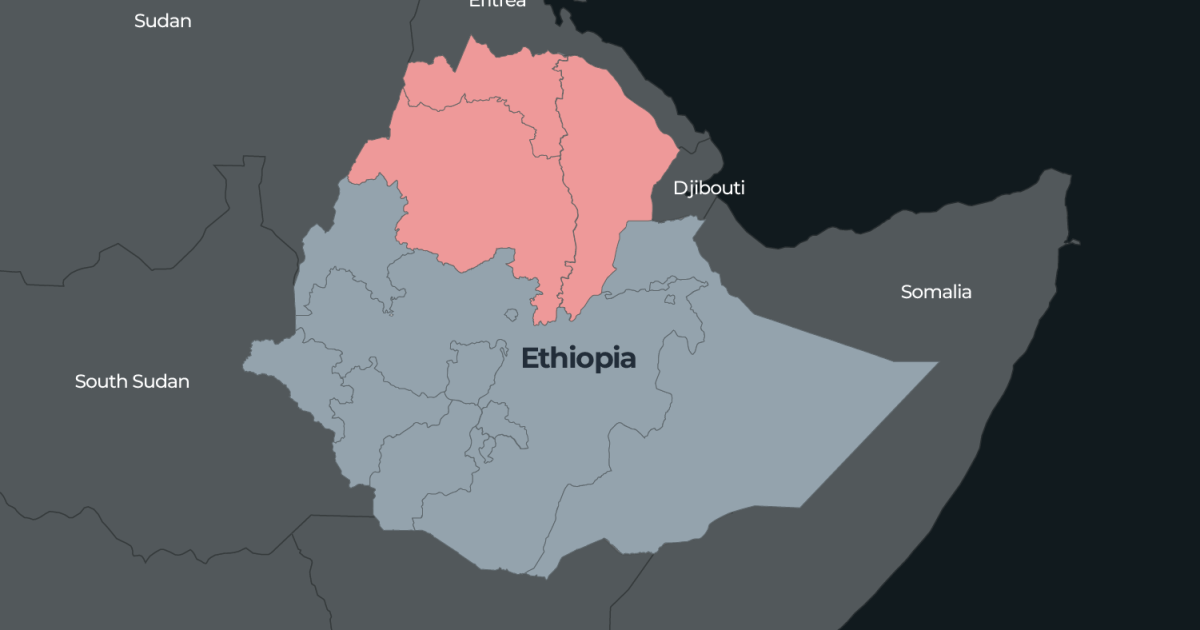
Geopolitical & Core Developments
The protracted conflict in Ethiopia has evolved from a localized regional dispute into a complex multi-front crisis involving shifting alliances, historical territorial claims, and deep-seated ethnic rivalries. Initially centered within the northern Tigray region, the hostilities have progressively drawn in neighboring regional states, federal military forces, and external actors. Territorial disputes over strategic tracts of land along administrative borders have intensified, complicating any straightforward path toward a sustainable ceasefire or federal integration.
The involvement of various regional militias and federal defense forces has fractured the political landscape of the Horn of Africa. Diplomatic channels led by the African Union and regional bodies have repeatedly attempted to secure lasting peace accords, yet persistent mistrust and localized skirmishes routinely derail implementation. Strategic stakes remain extraordinarily high for Addis Ababa, as the central government attempts to project stability across a fractured federal state while managing domestic dissent and economic pressures.
Global Trade & Economic Ripples
While the conflict remains primarily internal, its economic reverberations extend far beyond Ethiopia's borders, impacting broader trade networks in East Africa. The Horn of Africa serves as a critical geographic bridge connecting major maritime shipping lanes in the Red Sea and the Gulf of Aden to the interior of the African continent. Prolonged instability risks compromising vital transport corridors, increasing logistical costs for regional import and export businesses, and deterring foreign direct investment.
Global commodity markets, particularly agricultural exports such as coffee and sesame seeds originating from the fertile highlands of northern Ethiopia, face supply chain vulnerabilities. International traders report fluctuating pricing and transport delays as regional transit routes experience periodic security lockdowns. Furthermore, the diversion of national fiscal resources toward military expenditures exacerbates inflationary pressures, strains foreign exchange reserves, and weakens the Ethiopian birr, constraining the nation's capacity to service external debt obligations.
Related Intelligence: Tennessee Execution Failure Sparks International Legal and Diplomatic Scrutiny
International Reactions & Diplomatic Stances
The international community has expressed mounting alarm over the geographic spread of the violence and the deteriorating humanitarian situation. The United Nations and various multilateral bodies have repeatedly urged all belligerents to immediately cease hostilities, grant unrestricted access to humanitarian aid agencies, and engage in inclusive political dialogue. Western governments have emphasized that long-term economic partnership and financial assistance remain contingent upon verifiable human rights compliance and credible peace processes.
Market analysts and geopolitical risk assessors warn that continued instability in Ethiopia could catalyze broader regional destabilization, affecting neighboring states such as Eritrea, Sudan, and Somalia. Multilateral financial institutions continue to monitor the situation closely, balancing the imperative for economic reform support against the rising risks of sovereign default and prolonged civil conflict.
Strategic Outlook & Future Scenarios
Looking ahead, the trajectory of the Ethiopian crisis hinges on the federal government's willingness to pursue comprehensive political reconciliation rather than military containment alone. Upcoming regional summits and diplomatic interventions will test the resolve of the international community to enforce compliance with peace frameworks. Without a concerted diplomatic push backed by targeted economic incentives and accountability measures, the conflict risks entrenching a permanent security vacuum in one of Africa's most populous and strategically vital nations.
Join Our Official WhatsApp Channel
Receive live commodity alerts, policy changes, and commercial intelligence directly on WhatsApp.