
Nigerian Prison Tragedy Exposes Deep Governance and Human Rights Crises
A catastrophic incident in an overcrowded Nigerian prison has ignited global human rights concerns, underscoring deep-seated governance and infrastructural vulnerabilities in West Africa.
Geopolitical & Core Developments
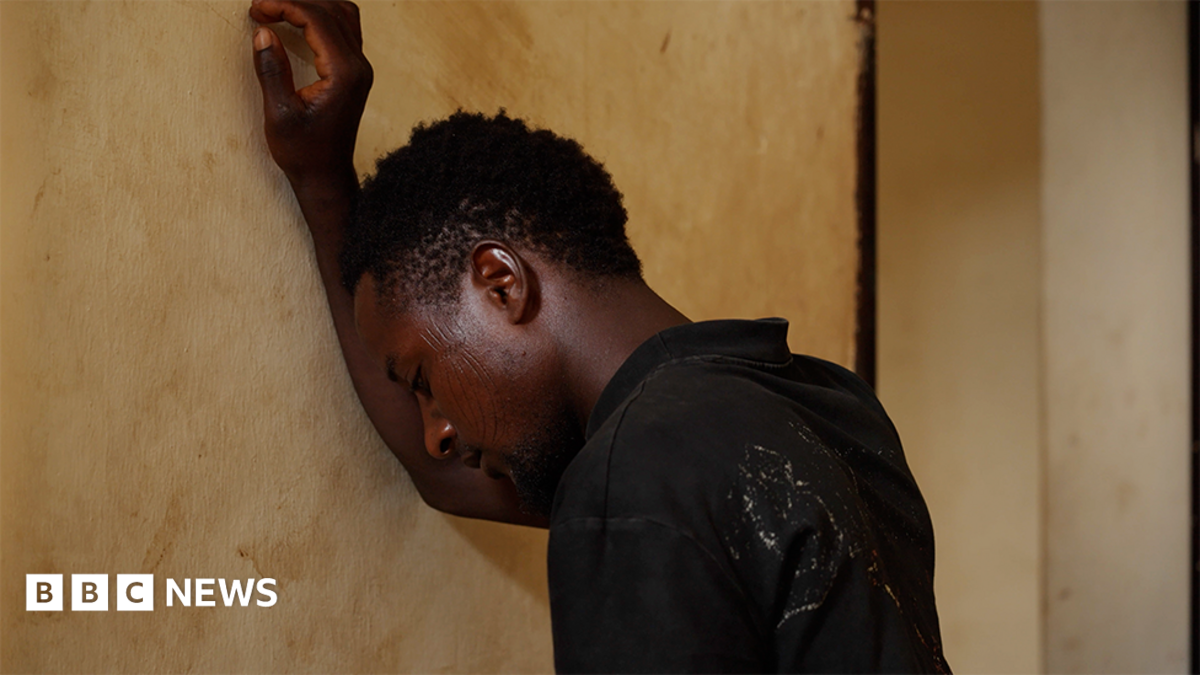
The recent catastrophe inside a heavily overcrowded Nigerian correctional facility, where dozens of inmates perished under stifling, extreme conditions, has laid bare the severe systemic strains facing West Africa's most populous nation. According to eyewitness accounts and survivor testimonies detailed by international broadcasters, prisoners were trapped in suffocating, cramped cells amid soaring temperatures, culminating in a preventable mass fatality event. This tragedy is not an isolated occurrence but rather the most visible symptom of a chronically underfunded and mismanaged penal system. Decades of institutional neglect, widespread corruption, and systemic judicial backlogs have resulted in pre-trial detention rates exceeding seventy percent in many facilities across the country. The inability of state apparatuses to guarantee basic human dignity and security for incarcerated populations has triggered a profound domestic crisis, drawing sharp focus from regional observers who monitor state capacity and institutional resilience in fragile democracies.
[Global Trade](/news/london-fashion-week-repositions-beyond-uk-borders-amid-global-trade-shifts) & Economic Ripples
While the immediate crisis is humanitarian and penal in nature, incidents of acute state failure and institutional instability carry significant indirect implications for global commerce, investment flows, and macroeconomic risk assessments in emerging markets. Multinational corporations, institutional investors, and international lenders closely monitor governance metrics, rule of law indices, and human rights compliance when evaluating foreign direct investment (FDI) destinations across Sub-Saharan Africa. Persistent structural vulnerabilities, including inadequate infrastructure, weak regulatory enforcement, and recurring domestic crises, contribute to elevated country risk premiums. For Kalyar Traders World Desk, such developments reinforce the necessity of incorporating granular geopolitical risk and governance metrics into commercial strategies involving frontier and emerging commodity markets, where political stability directly influences supply chain continuity and resource extraction agreements.
Related Intelligence: Trump Media Venture Tests Global Press Freedom and Diplomatic Norms
International Reactions & Diplomatic Stances
The humanitarian disaster has prompted swift reactions from multilateral organizations, foreign diplomatic missions, and international human rights watchdogs. Representatives from the United Nations Human Rights Council have called for an immediate, transparent, and independent investigation into the circumstances surrounding the fatalities, urging the Nigerian federal government to hold accountable any officials found negligent. Amnesty International and Human Rights Watch have issued joint communiques condemning the deplorable detention conditions and reiterating long-standing demands for comprehensive penal reform. Meanwhile, bilateral partners, including key Western trade allies, have expressed deep concern, emphasizing that long-term economic partnership and diplomatic cooperation are inextricably linked to adherence to international human rights standards and the protection of fundamental freedoms.
Strategic Outlook & Future Scenarios
Looking ahead, the trajectory of this crisis will depend heavily on the Nigerian federal government's domestic policy response and its willingness to implement structural overhauls within the justice and correctional sectors. Upcoming legislative sessions and judicial reviews will serve as critical litmus tests for the administration's commitment to constitutional reform. Failure to address overcrowding, improve prison infrastructure, and expedite judicial processes risks further domestic unrest, potentially denting regional diplomatic influence and complicating upcoming bilateral trade negotiations. As international scrutiny intensifies, foreign investors and multilateral bodies will watch closely to see whether this tragedy catalyzes meaningful, lasting institutional transformation or merely results in short-term crisis management.
Join Our Official WhatsApp Channel
Receive live commodity alerts, policy changes, and commercial intelligence directly on WhatsApp.