
Nigeria Isolates Imported Ebola Case in Abuja Amid Regional Biosecurity Alert
Nigerian health authorities have placed a foreign national under isolation in Abuja following a confirmed Ebola diagnosis linked to East Africa, triggering immediate biosecurity protocols and regional border surveillance.
Geopolitical & Core Developments
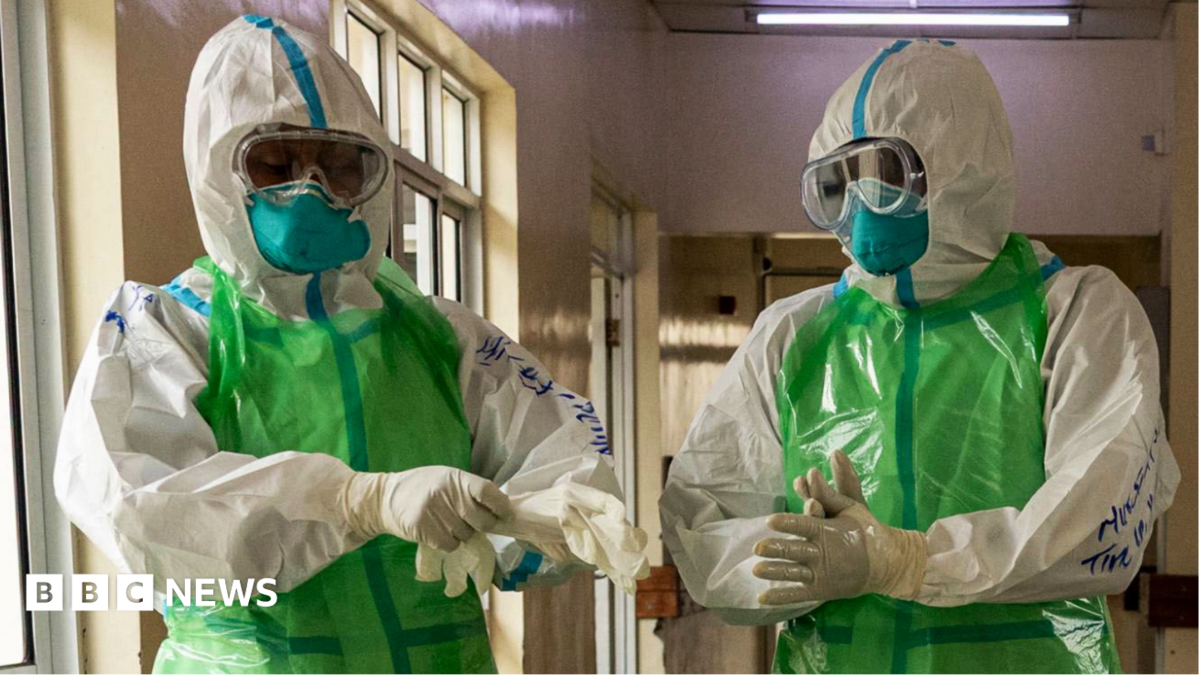
Health authorities in Nigeria have activated high-level biosecurity measures after confirming an isolated case of the Ebola virus disease in the federal capital, Abuja. According to health officials and diplomatic sources, the patient is a foreign national who recently arrived from East Africa. The individual was immediately placed in a specialized isolation ward within an Abuja medical facility upon the manifestation of clinical symptoms consistent with the hemorrhagic fever.
The development marks a critical juncture for West Africa's epidemiological defenses. The Nigeria Centre for Disease Control and Prevention (NCDC), working in coordination with international health bodies, has initiated aggressive contact-tracing protocols covering flight manifests, ground transit handlers, and medical staff who managed the patient's initial triage. Cross-border public health coordination between Abuja and partner governments across East Africa is underway to map the index exposure and determine whether transmission occurred within an established or unidentified outbreak cluster.
While Nigeria demonstrated robust containment capabilities during the 2014 West African outbreak—rapidly halting community spread through meticulous institutional responses—the geographic distance of this transmission vector underscores the persistent vulnerabilities associated with high-frequency intercontinental and intra-African transit.
Global Trade & Economic Ripples
The confirmation of an imported Ebola case introduces immediate logistical friction points across African trade corridors. Regional aviation authorities have begun evaluating passenger screening regimens, raising concerns over potential transit delays at major hubs including Lagos, Abuja, Nairobi, and Addis Ababa. Although outright travel embargoes remain unwarranted under World Health Organization guidelines, discretionary business travel and diplomatic missions face immediate review.
For commodity markets, West Africa represents a pivotal anchor for crude oil production, cocoa exports, and mineral extraction. Supply chain continuity in Nigeria hinges largely on maintaining unfettered operations across maritime terminals in the Niger Delta and commercial hubs in the south. Market analysts are monitoring port entry protocols, as maritime authorities may reintroduce mandatory quarantine checks and extended health declarations for merchant vessels calling at regional ports, potentially lengthening vessel turnaround times and firming spot freight rates.
Financial markets have maintained a measured stance, though any sustained secondary transmission within urban centers could pressure sovereign risk premiums and dampen foreign direct investment sentiment across regional consumer and infrastructure sectors.
Related Intelligence: Nigeria Detects Bundibugyo Ebola Strain as Trade Corridors Face Scrutiny
International Reactions & Diplomatic Stances
The World Health Organization's Regional Office for Africa dispatched technical advisers to reinforce genomic sequencing and support Abuja's infection control protocols. Multilateral health authorities commended Nigeria's rapid containment and transparent notification mechanisms, urging neighboring governments to refrain from imposing disproportionate trade or travel restrictions that contravene International Health Regulations.
The Africa Centres for Disease Control and Prevention (Africa CDC) convened emergency consultations with member states, calling for enhanced surveillance along cross-continental air corridors and commercial border gates. Diplomatic missions in Abuja have issued precautionary advisories to their personnel, while emphasizing confidence in Nigeria's specialized biomedical response framework developed over a decade of epidemic preparedness investments.
Strategic Outlook & Future Scenarios
The primary trajectory over the next fourteen to twenty-one days will be defined by the outcome of contact monitoring in Abuja. If all primary and secondary contacts complete surveillance without manifesting symptoms, the incident will be classified as a successfully contained imported event, neutralizing market and operational risks.
Conversely, the identification of untraced community exposure would precipitate elevated containment measures, including municipal movement curbs, mandatory screening at inter-state checkpoints, and heightened bilateral entry restrictions by trading partners. Regional health ministers are slated to review biosafety protocols at upcoming African Union forums, where cross-border data sharing, diagnostic stockpiles, and coordinated commercial corridor management will dominate the strategic agenda.
Join Our Official WhatsApp Channel
Receive live commodity alerts, policy changes, and commercial intelligence directly on WhatsApp.