
Netanyahu UN Address Defies Global Critics and Escalates Diplomatic Tensions
Israeli Prime Minister Benjamin Netanyahu used his UN address to confront international critics and adversaries, heightening geopolitical tensions with profound implications for global security and commodity markets.
Geopolitical & Core Developments
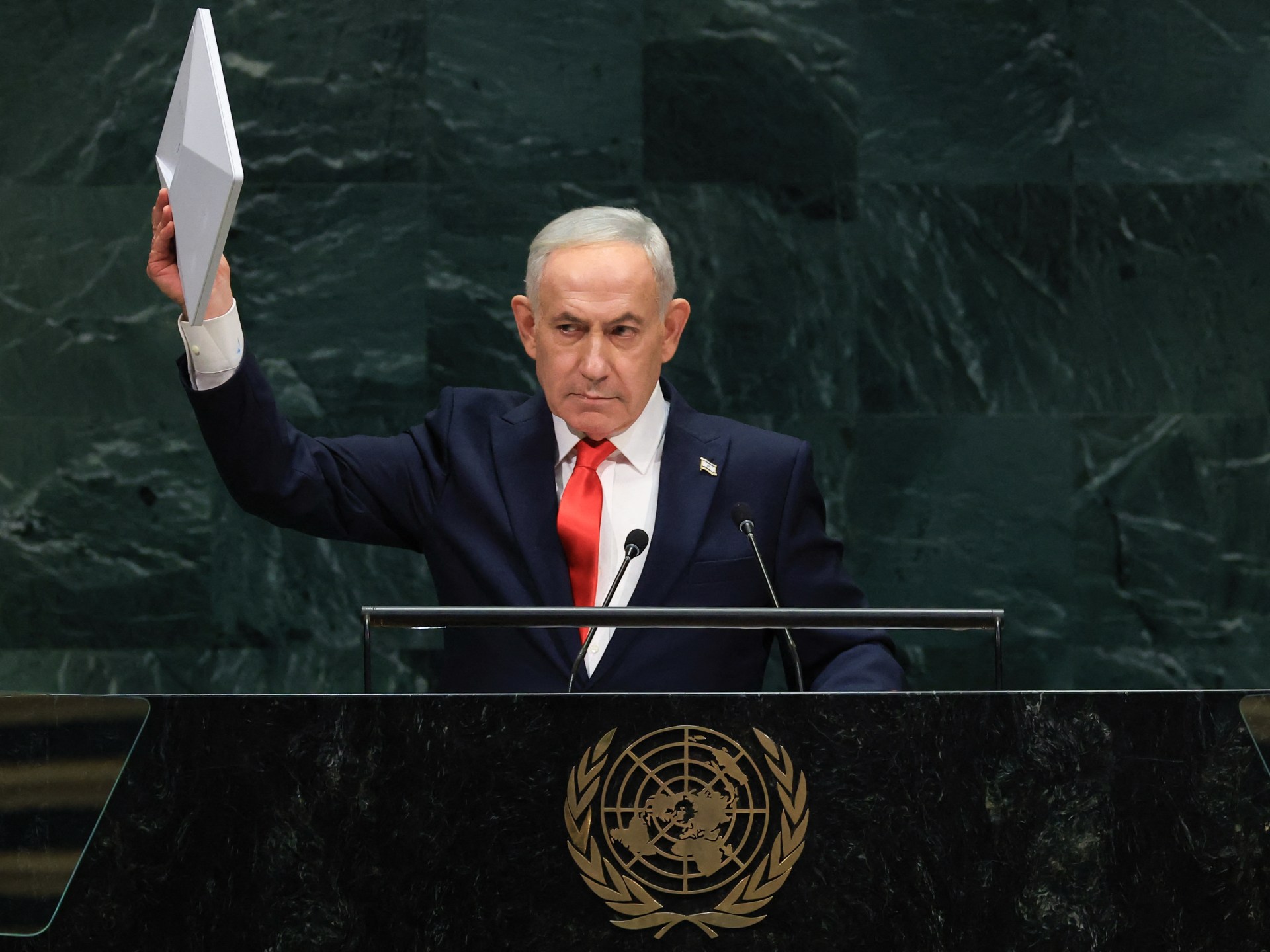
Israeli Prime Minister Benjamin Netanyahu delivered a combative address at the United Nations General Assembly, launching a broad diplomatic offensive that targeted both traditional adversaries and critical international allies. Against the backdrop of protracted multi-front conflicts in the Middle East, Netanyahu used the global stage to forcefully defend Israel's military campaigns in Gaza and Lebanon. He mounted a vigorous counter-offensive against international critics, domestic protesters, and political figures—including New York City Mayor Mamdani—who have accused Israel of committing international crimes against Palestinians. The speech underscored a deepening chasm between Jerusalem and various Western capitals, illustrating a hardening of Israel's strategic posture regardless of multilateral diplomatic pressure.
Netanyahu reiterated his primary strategic focus: neutralizing the perceived existential threat posed by Iran and its regional network of proxy forces, including Hezbollah and the Houthis. By presenting maps illustrating what he characterized as the arc of Iranian aggression, the Israeli leader sought to rally international backing for a sustained military containment strategy. However, the abrasive tone toward critics and foreign leaders alike signaled a rejection of mediated cease-fire frameworks favored by Western partners. This uncompromising rhetoric points toward an extended operational horizon for regional military engagements, complicating diplomatic efforts led by the United States, Qatar, and Egypt to broker lasting humanitarian pauses and hostage release agreements.
Global Trade & Economic Ripples
Geopolitical friction emanating from the Middle East continues to cast a long shadow over international commodity markets and global supply chains. The unwavering persistence of hostilities, underscored by Netanyahu's combative UN stance, immediately reverberates through energy trading floors. Crude oil benchmarks face persistent risk premiums driven by fears of supply disruptions through vital maritime chokepoints, notably the Bab el-Mandeb strait and the Strait of Hormuz. International shipping lines continue to absorb elevated operational costs as commercial vessels bypass the Red Sea in favor of the extended African Cape of Good Hope route, inflating freight rates and prolonging transit times for manufactured goods and raw materials.
Furthermore, the protracted nature of the conflict exerts upward pressure on global defense expenditures and sovereign risk ratings across the wider Middle East. Investors are closely monitoring foreign exchange markets, where regional currencies experience heightened volatility in response to escalating threat assessments. Commodity markets—particularly natural gas, precious metals serving as safe-haven assets, and agricultural inputs—remain vulnerable to sudden sentiment shifts. Commercial operators across the global trade ecosystem are increasingly factoring sustained geopolitical instability into their long-term supply chain resilience strategies, dampening investment appetites in high-risk corridors.
Related Intelligence: New York Targets Polymarket in Escalating Crackdown on Prediction Markets
International Reactions & Diplomatic Stances
The defiant UN address drew swift, polarized responses from the international community. Representatives from several Western and Arab nations expressed deep concern over the rhetoric, warning that uncompromising postures undermine delicate multilateral negotiations. Human rights organizations and legal experts reiterated calls for independent accountability regarding military conduct in Gaza, noting that dismissals of international oversight threaten the integrity of global humanitarian law. Conversely, conservative factions within allied nations defended Israel's sovereign right to self-defense against state and non-state actors determined to destabilize the region.
Market analysts and geopolitical risk consultancies noted that the widening diplomatic rift between Jerusalem and multilateral bodies complicates cooperative international governance. The United Nations leadership emphasized the imperative of adherence to international law and negotiated diplomatic resolutions, contrasting sharply with the unilateralist tone of the Israeli address. These divergent diplomatic vectors create a complex operating environment for multinational corporations, which must navigate shifting regulatory compliance, export controls, and reputational risks in an increasingly fractured global order.
Strategic Outlook & Future Scenarios
Looking ahead, the trajectory of international relations and commodity markets hinges on whether regional hostilities broaden into a wider multi-state conflagration. Upcoming diplomatic summits and ministerial meetings will test the resilience of Western alliances as allied governments balance domestic political pressures with strategic security commitments to Israel. The possibility of enhanced multilateral sanctions targeting Iranian economic networks remains a focal point for Western policymakers seeking to curb regional proxy financing.
Should diplomatic channels remain gridlocked, prolonged military operations will likely cement structural shifts in global energy routing and defense manufacturing priorities. Investors must prepare for persistent market volatility characterized by supply chain friction and energy price spikes. Ultimately, Netanyahu's UN address serves as a stark marker of a more confrontational era in international affairs, where traditional multilateral diplomacy struggles to contain intensifying geopolitical rivalries.
Join Our Official WhatsApp Channel
Receive live commodity alerts, policy changes, and commercial intelligence directly on WhatsApp.