
Netanyahu UN Address Sparks Diplomatic Boycott Amid Regional Escalation
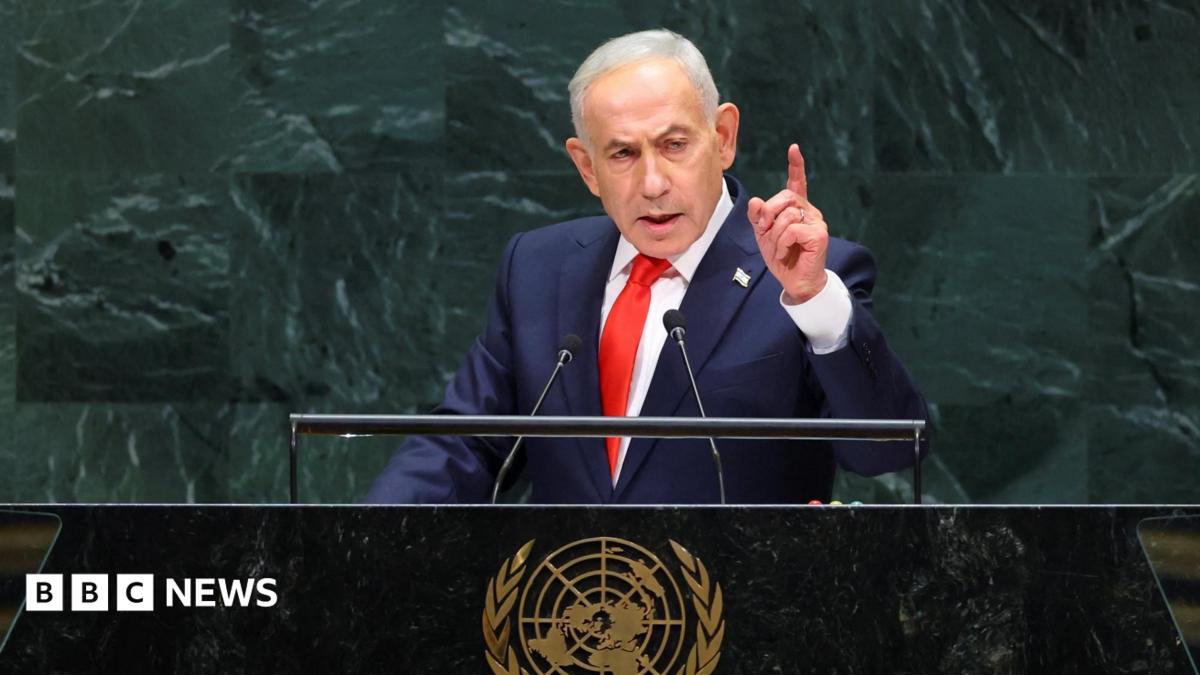
Israeli Prime Minister Benjamin Netanyahu delivered a defiant address at the United Nations, triggering a mass walkout by delegates as geopolitical tensions and market anxieties intensify across the Middle East.
Geopolitical & Core Developments
In a high-stakes address at the United Nations General Assembly, Israeli Prime Minister Benjamin Netanyahu delivered a defiant defense of his nation's expanding military campaigns across the Middle East. As the Israeli leader approached the rostrum, dozens of international delegates staged a coordinated walkout, leaving vast sections of the General Assembly hall visibly vacant. Undeterred by the diplomatic snub, Netanyahu launched into a fierce rebuke of his critics, explicitly labeling the departing diplomats as moral cowards who refuse to confront the true architects of regional instability.
The speech underscored the widening chasm between Israel's strategic security doctrine and the prevailing consensus among multilateral institutions. Netanyahu reiterated that military operations in Gaza, Lebanon, and broader regional theaters are existential necessities designed to neutralize persistent threats from state and non-state adversaries alike. The dramatic scenes inside the UN headquarters reflect a deeply polarized international arena, where traditional diplomatic protocols are increasingly overshadowed by uncompromising military postures and intractable security dilemmas.
Global Trade & Economic Ripples
The escalation of hostilities and the hardening of diplomatic lines carry profound implications for global trade, energy markets, and supply chain architecture. The Middle East remains the beating heart of global energy production, and prolonged military friction directly threatens vital maritime chokepoints, including the Bab el-Mandeb strait and the Strait of Hormuz. Any disruption to commercial shipping through these corridors immediately forces vessels into prolonged, costly African circumnavigation routes, driving up freight rates and insurance premiums worldwide.
Energy commodity markets have responded to the volatile geopolitical backdrop with heightened nervousness. Crude oil benchmarks continue to experience sharp intraday fluctuations as traders price in the escalating risk of a wider regional conflagration involving major oil-producing nations. Furthermore, industrial supply chains reliant on stable Middle Eastern logistics hubs face mounting delays, compounding inflationary pressures for importing economies across Europe and Asia. Multinational corporations are actively re-evaluating risk exposure and diversifying procurement networks to insulate operations against sudden shocks.
Related Intelligence: UN General Assembly Walkout During Netanyahu Address Deepens Diplomatic Crisis
International Reactions & Diplomatic Stances
The mass walkout at the UN has drawn polarized reactions from global capitals and multilateral bodies. Western allies reiterated Israel's inherent right to self-defense while simultaneously expressing grave concern over the mounting civilian toll and the deteriorating humanitarian catastrophe across the region. Conversely, nations across the Global South and various Arab states condemned the intensification of military campaigns, warning that unyielding rhetoric and armed escalation preclude any viable pathway toward a sustainable diplomatic settlement.
Market analysts and geopolitical risk consultancies suggest that the breakdown of constructive dialogue at the UN level severely diminishes the efficacy of multilateral peacekeeping frameworks. International financial institutions have issued notes advising clients to brace for prolonged geopolitical friction, noting that diplomatic channels are currently too fractured to deliver meaningful de-escalation in the near term.
Strategic Outlook & Future Scenarios
Looking ahead, the trajectory of the Middle East crisis points toward sustained volatility, with few immediate prospects for a comprehensive ceasefire. Upcoming diplomatic summits and emergency UN Security Council consultations will test whether international pressure can temper ongoing military maneuvers or if further retaliatory cycles are inevitable. Additional economic sanctions targeting illicit financial networks and supply chains supporting regional militias remain under active consideration by Western governments.
For global markets and international commerce, the overarching strategic outlook dictates a prolonged period of defensive positioning. Businesses operating across energy, logistics, and manufacturing sectors must integrate heightened geopolitical risk into their long-term operational planning, preparing for a persistent state of global economic friction.
Join Our Official WhatsApp Channel
Receive live commodity alerts, policy changes, and commercial intelligence directly on WhatsApp.