
Netanyahu Shortens UNGA Visit Amid Security Warnings
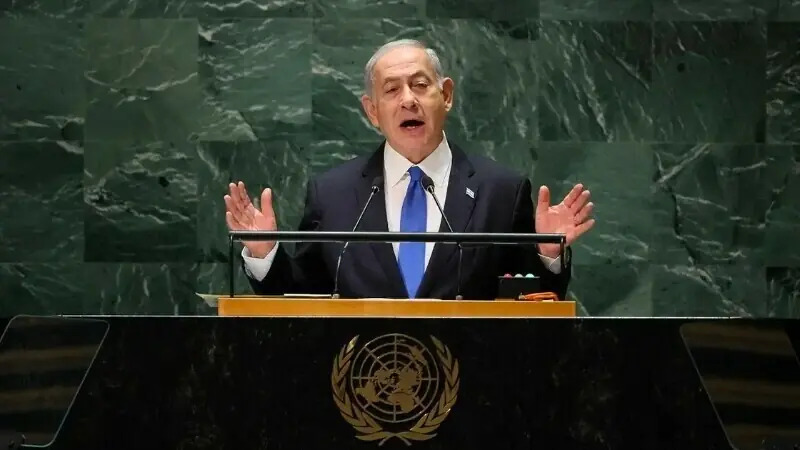
Israeli Prime Minister Benjamin Netanyahu sharply curtailed his New York UNGA visit following high-level security warnings, prompting renewed scrutiny on Middle Eastern stability and global economic ramifications.
The Core Development
Israeli Prime Minister Benjamin Netanyahu has drastically curtailed his upcoming visit to New York for the 81st United Nations General Assembly (UNGA), restricting his United States itinerary to a mere few hours on Thursday. According to reports from Israeli media, including Channel 13, the Prime Minister will board a return flight to Israel immediately following his address to the global body, bypassing the traditional multi-day diplomatic engagements and overnight stays usually associated with high-level UN summits.
The decision was finalized following urgent briefings between Netanyahu and top-tier Israeli security officials. During these closed-door sessions, a complex and sensitive intelligence picture was presented, highlighting elevated threat levels. While specific operational details of the intelligence warnings remain classified, security chiefs unanimously recommended minimizing the Prime Minister's foreign footprint. The rapid turnaround underscores the intense security pressures facing Israeli leadership amid widening regional conflicts and heightened threat perceptions across international jurisdictions.
Commercial & Economic Implications
For international markets, particularly emerging economies like Pakistan, prolonged Middle Eastern instability translates directly into heightened volatility in global energy prices, freight rates, and supply chain integrity. While the direct economic impact of a shortened diplomatic trip is negligible, the underlying geopolitical friction severely affects investor sentiment and commodity pricing. Retail trade, wholesale distribution networks, and domestic energy consumers in Pakistan remain vulnerable to any sudden spikes in international crude oil prices triggered by escalating regional hostilities.
Furthermore, shipping insurance premiums and transit times through critical maritime chokepoints are frequently disrupted during periods of heightened military alert. As import-dependent sectors brace for potential cost-push inflation, local business leaders at Kalyar Traders emphasize the urgent need for robust contingency planning. Fluctuations in foreign exchange reserves and domestic fuel tariffs directly correlate with the fluid security situation in the Levant, impacting manufacturing overheads and consumer purchasing power nationwide.
Related Intelligence: Venezuela Pledges Democratic Transition at UN Amid Global Energy Realignment
Stakeholder Perspectives & Market Reactions
Business councils, trade bodies, and financial analysts have expressed growing apprehension over the persistent geopolitical friction in the Middle East. Industry representatives note that sustained uncertainty dampens foreign direct investment flows and complicates cross-border commercial transactions. Legal and economic analysts point out that heightened security postures by global leaders often precede broader military escalations, which historically trigger flight-to-safety capital movements away from developing markets.
Public response in Pakistan has also reflected anxiety over persistent inflation driven by imported energy costs. Trade associations are calling on policymakers to diversify supply chains and secure strategic petroleum reserves to cushion the domestic market against external shocks. Official statements from regional economic observers stress that sustained diplomatic impasses at forums like the United Nations continue to undermine global market stability.
Forward Outlook & Key Watchpoints
As the UNGA session proceeds under tight security protocols, international observers will closely monitor subsequent diplomatic developments and security assessments. Key watchpoints include potential retaliatory actions in the region, shifts in global crude oil benchmarks, and any subsequent policy interventions by central banks to manage imported inflation.
For businesses operating in Pakistan, navigating this volatile environment requires continuous risk assessment, agile inventory management, and close monitoring of international commodity trends. The coming weeks will prove critical in determining whether diplomatic channels can de-escalate tensions or if further economic turbulence lies ahead for global trade networks.
Join Our Official WhatsApp Channel
Receive live commodity alerts, policy changes, and commercial intelligence directly on WhatsApp.